Family and Parenting Therapists in Utah
Welcome to our Utah directory of online therapists for 2026. All therapists listed here are licensed in Utah, and you can explore profiles to learn about specialties, approaches, languages, and credentials.








Bridgez English
LCMHCUtah
- 7 yrs exp
Stress, Anxiety · Relationship · Trauma and abuse · +10
View Profile

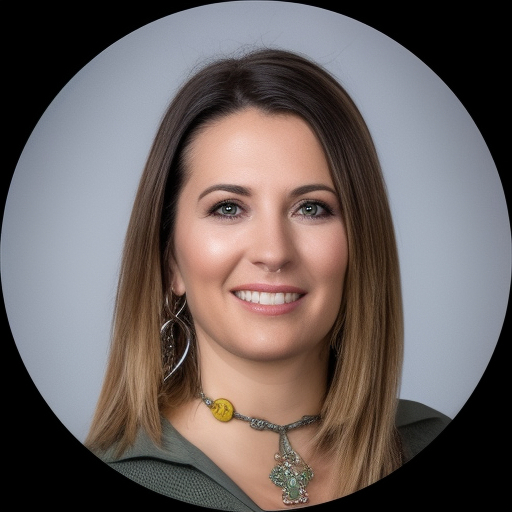














Ethan Everett
UT Psychologist 9559981-2501Utah
- 33 yrs exp
Stress, Anxiety · Parenting · Self esteem · +2
View Profile



Dr. Kimberly Walsh
UT Psychologist 117391-2501Utah
- 32 yrs exp
Stress, Anxiety · Self esteem · Bipolar · +10
View Profile



Brandon Woffinden
LCMHCUtah
- 10 yrs exp
Stress, Anxiety · Addictions · Trauma and abuse · +15
View Profile








Overview of online therapy availability in Utah
Online therapy has become a common option for people throughout Utah who are looking for flexible counseling and mental health support. Whether you live in an urban area such as Salt Lake City or in a rural community along the Wasatch Front or in southern Utah, many clinicians offer sessions by video or phone to reach clients across distances. State licensure requirements mean that therapists who provide care to Utah residents must hold an appropriate Utah license, which gives you a clear starting point when reviewing profiles. In addition to solo practitioners, you will find clinicians working in group practices and community clinics who list online therapy among their approaches. The technology used to connect you with a clinician can vary, so you may encounter video platforms, telephone sessions, or combinations of synchronous and asynchronous communication depending on the provider’s practice model.
As you explore options in this directory, it helps to think about how online sessions might fit into your life. Some people prefer online therapy because it reduces commute time and makes it easier to coordinate around work, school, or family responsibilities. Others appreciate having access to clinicians who specialize in particular issues even when those specialists are located outside their immediate geographic area. Online care in Utah is offered across many professional backgrounds, including counseling, social work, marriage and family therapy, and clinical psychology, with therapists noting different focus areas and therapeutic approaches on their profiles.
Benefits of choosing online therapy in Utah
When you choose online therapy, you often gain practical benefits that make regular care more feasible. The convenience of attending a session from home or another familiar setting can reduce logistical barriers like travel, parking, and time away from other responsibilities. For parents, students, and workers with tight schedules, the ability to connect remotely can make consistent care more realistic. You may also find a wider range of specialties and languages among online providers, which helps you match with someone whose background aligns with your needs without being limited by local options.
Online therapy can also support continuity of care when life circumstances change. If you relocate within Utah or have a temporary change in routine, therapists who list remote services among their approaches can maintain therapeutic momentum without forcing you to pause treatment. Some people find that the remote setting helps them focus on conversation and therapeutic tasks, while others value the flexibility to choose the environment in which they engage in sessions. It is important to create a comfortable environment for sessions so that you can speak freely and participate in therapeutic activities without frequent interruptions.
What types of issues online therapists in Utah commonly help with
Online therapists in Utah address a wide range of concerns, from day-to-day stress management to more complex life transitions. Many clinicians list experience supporting people with anxiety, mood concerns, relationship challenges, parenting questions, and grief. Relationship-focused clinicians often describe work with couples and families, helping you navigate communication patterns, co-parenting concerns, and life stage transitions. Those who note work with adolescents and young adults may emphasize developmental issues, academic stress, and identity exploration.
In addition to those common areas, you will find therapists who list approaches that focus on trauma recovery, behavioral change, or skill building. For example, some clinicians indicate that they work with trauma-related symptoms, while others highlight approaches aimed at improving emotional regulation, building coping skills, or addressing substance-related concerns. When a therapist lists a particular method among their approaches, it signals an orientation they use with clients, but it does not substitute for a conversation about how they apply that approach in practice. Reviewing profiles for focus areas, populations served, and descriptive notes about therapeutic style can help you identify clinicians who match the kinds of issues you want to address.
How to verify a therapist's license in Utah
Verifying licensure is an important step that helps you confirm that a clinician practices under Utah's regulatory standards. Most Utah clinicians will list a license type on their profile, such as a licensed clinical social worker, licensed professional counselor, licensed marriage and family therapist, or psychologist. You can verify a license by using the state licensing board's online lookup tool to search by the clinician’s full name or license number. The board's site typically shows the license status, the license type, expiration date, and whether there are any public disciplinary actions on record.
If you prefer, you can ask a clinician directly for their full legal name and license number, then use that information to search the official database. When reviewing the board record, look for the license classification and any public notices that may appear. Keep in mind that licensure confirms a clinician meets the state’s regulatory requirements for practice, while detailed questions about clinical experience, therapeutic approach, and how they work with specific issues are best discussed directly with the clinician during an initial conversation. Checking licensure and reading a clinician’s profile together gives you a clearer picture of their professional standing and the kinds of care they describe offering online.
Getting started with an online therapist and choosing the right fit
How to begin
Starting with an online therapist usually begins with a focused search for clinicians who list relevant specialties and approaches on their profiles. Once you find a few therapists whose descriptions resonate, reach out via the contact method provided in their profile to request more information. In your initial outreach you can ask about general practice questions such as how they structure online sessions, what clients can expect in the first few meetings, and what kinds of issues they commonly work with. You may also want to ask about their experience working with people from similar backgrounds or life situations to yours, and about the languages in which they offer services.
Before your first scheduled session, set up a comfortable environment where you can speak without frequent interruptions. This might be a quiet room at home, a parked car, or another location where you have privacy and minimal background noise. Make sure your camera and microphone work and that you understand the platform the clinician uses for sessions. Reviewing any intake forms, consent information, and practice policies that the clinician provides ahead of time helps you arrive prepared and able to focus on the work of therapy.
Tips for choosing the right therapist
Choosing the right therapist is a combination of practical fit and interpersonal connection. Start by narrowing options based on the issues you want to address, the age groups a clinician lists as their focus, and any languages they offer. Look for clinicians who list approaches that align with how you prefer to work - for example, those who emphasize skills-based work if you want structured tools, or those who describe more exploratory approaches if you are looking to examine life patterns. Pay attention to how a clinician describes their therapeutic style and whether that approach feels like a match for your personality and goals.
Once you have a few candidates, consider an initial conversation to get a sense of rapport. During this conversation you can ask about their general approach to the problem you are facing and how they measure progress. It is reasonable to expect clear communication about session length, fees, and how they handle scheduling and follow-up. If you speak with a clinician and the connection does not feel right, it is appropriate to continue searching. The right fit is one where you feel heard, understood, and able to engage in the process they describe. Taking the time to review profiles, verify licensure, and speak with clinicians will help you find a match that supports your goals for therapy in Utah.
Online therapy offers a flexible way to access professional support across the state, and by focusing on specialties, approaches, languages, and credentials you can find clinicians who align with your needs. Use the directory to explore therapist profiles, verify licensure through official state resources, and begin conversations that help you identify the best fit for your situation. With thoughtful preparation and clear communication, you can make an informed choice about online therapy that supports your well-being and the needs of your family.
Browse Specialties in Utah
Mental Health Conditions (35 have therapists)
Addictions
8228 therapists
ADHD
7860 therapists
Anger
10734 therapists
Bipolar
7516 therapists
Chronic Illness
3037 therapists
Chronic Pain
3037 therapists
Compulsion
3580 therapists
Control Issues
6603 therapists
Depression
14356 therapists
Disaster Relief Therapy
3349 therapists
Dissociation
1963 therapists
Domestic Violence
4104 therapists
Eating Disorders
3489 therapists
Gambling
2371 therapists
Grief
11761 therapists
Guilt and Shame
9696 therapists
Impulsivity
5542 therapists
Intimacy Issues
7932 therapists
Isolation / Loneliness
9055 therapists
Midlife Crisis
5633 therapists
Mood Disorders
7588 therapists
Obsession
3580 therapists
OCD
3580 therapists
Panic Disorder and Panic Attacks
6557 therapists
Phobias
2494 therapists
Post-Traumatic Stress
8211 therapists
Postpartum Depression
4106 therapists
Seasonal Affective Disorder (SAD)
4853 therapists
Self Esteem
14207 therapists
Self-Harm
3912 therapists
Sexual Trauma
3793 therapists
Sleeping Disorders
4076 therapists
Social Anxiety and Phobia
8671 therapists
Stress & Anxiety
15752 therapists
Trauma and Abuse
12452 therapists
Life & Relationships (33 have therapists)
Abandonment
6061 therapists
Adoption
3369 therapists
Aging and Geriatric Issues
4225 therapists
Attachment Issues
6651 therapists
Blended Family Issues
5635 therapists
Body Image
4545 therapists
Career
9299 therapists
Caregiver Issues and Stress
7550 therapists
Codependency
6271 therapists
Commitment Issues
4863 therapists
Communication Problems
11393 therapists
Compassion Fatigue
8168 therapists
Coping with Life Changes
13417 therapists
Divorce
7611 therapists
Family
14874 therapists
Family of Origin Issues
5467 therapists
Fatherhood Issues
2972 therapists
Fertility Issues
1702 therapists
First Responder Issues
3179 therapists
Forgiveness
9200 therapists
Foster Care
3369 therapists
Hospice and End-of-Life Counseling
3012 therapists
Infidelity
4669 therapists
Jealousy
4269 therapists
Life Purpose
10019 therapists
Money and Financial Issues
3798 therapists
Parenting
12043 therapists
Pregnancy
3266 therapists
Relationship
14028 therapists
Self-Love
10112 therapists
Separation
7611 therapists
Sexuality
3317 therapists
Workplace Issues
7267 therapists