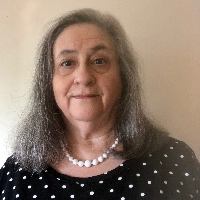
Velma Jones
LCSWNew York
- 29 yrs exp
Stress, Anxiety · Relationship · Trauma and abuse · +11
View ProfileThe therapist listings are provided by BetterHelp and we will earn a commission if you use our link - at no cost to you.
On this page you'll find therapists who list life purpose among their specialties and approaches. Read profiles to learn about their focus areas, approaches, credentials and languages. Browse the listings below to connect with someone whose perspective fits your needs.
New York
Stress, Anxiety · Relationship · Trauma and abuse · +11
View ProfileColorado
Stress, Anxiety · Relationship · Trauma and abuse · +13
View ProfileCalifornia
Stress, Anxiety · Relationship · Family · +10
View ProfileKansas
Stress, Anxiety · Relationship · Intimacy-related issues · +14
View ProfileNew York
Stress, Anxiety · Addictions · Trauma and abuse · +12
View ProfilePennsylvania
Stress, Anxiety · Relationship · Self esteem · +12
View ProfileMissouri
Stress, Anxiety · Trauma and abuse · Self esteem · +13
View ProfileNorth Carolina
Stress, Anxiety · Relationship · Family · +17
View ProfileLife purpose is a broad and personal idea that describes what gives your life direction, meaning and a sense of contribution. For some people purpose is tied to work or career - a sense that their job aligns with values and long-term goals. For others it centers on relationships, creative expression, community service or spiritual beliefs. Purpose can shift over time as you move through life stages, cope with loss or pursue new roles. When your sense of purpose feels clear, you may feel motivated, resilient and connected to others. When purpose feels unclear or absent, you may experience emptiness, restlessness or a lack of direction.
You do not need a crisis to explore purpose. Periods of transition - career changes, becoming a parent, retirement, caregiving or recovery from illness - often prompt big questions about meaning. People commonly report feeling stuck, guilty about choices, or pressured by expectations from family or society. Exploring purpose is not about finding a single right answer. It is about discovering ways to make decisions and organize your life around what matters to you now and into the future.
You may seek help when you notice persistent uncertainty about your next steps, or when day-to-day life feels hollow despite outward success. Signs include recurring thoughts that your work or relationships lack meaning, chronic indecision about big life choices, or an ongoing sense of drifting without momentum. Sometimes this appears as anxiety or low mood related to perceived lack of accomplishment. Other times it shows up as avoidance - putting off decisions because you fear making the wrong choice.
People also come to purpose work after a disruption that forces reevaluation - a breakup, job loss, a move, or a health scare. Those events can detach you from old roles and prompt a reassessment of values. You might struggle with cultural or familial expectations that conflict with your inner priorities. If you notice gaps between what you say matters and how you spend your time, therapy can help you clarify priorities and translate values into practical steps so you feel more aligned and purposeful.
In sessions you will be invited to reflect, experiment and build habits that align with your values. Early meetings often focus on mapping your current situation - what you value, what you do regularly, and where the tension between the two lives. Your therapist will likely ask about past experiences that shaped your beliefs, meaningful moments that energized you, and obstacles that block action. The work combines introspection with practical planning - clarifying priorities, setting short-term experiments and tracking what helps you feel more engaged.
Therapy for purpose typically includes narrative exploration - looking at the stories you tell about yourself - alongside exercises that help you test new behaviors in everyday life. You may be asked to try small changes between sessions, journal about moments of meaning, or complete values clarification exercises. Over time you and your therapist work to translate insights into a sustainable path - organizing goals in ways that fit your daily obligations and emotional rhythms. You should expect a collaborative process that balances emotional exploration with pragmatic steps toward a life that feels more intentional.
Conversations often revolve around identifying what drains and what energizes you, untangling internalized expectations from authentic desire, and finding ways to make small changes that reflect emerging values. The therapeutic relationship itself can model trust and curiosity, allowing you to try new ways of seeing yourself without pressure to have everything figured out immediately.
Different therapists bring varied approaches to purpose-focused therapy. Many use existential or meaning-centered methods that invite you to explore questions about mortality, freedom, responsibility and personal values. Therapists who list existential or meaning-centered work among their approaches often focus on helping you construct a life narrative that feels coherent and personally significant.
Cognitive and behavioral frameworks help translate insights into action. Therapists who list cognitive-behavioral approaches among their methods may help you identify thought patterns that limit exploration and design experiments to test alternatives. Acceptance and commitment approaches are commonly used as well - therapists who list acceptance and commitment therapy among their approaches may emphasize values-driven action and psychological flexibility rather than symptom elimination alone.
Other clinicians incorporate narrative techniques, encouraging you to examine and revise the stories that shape choices. Somatic and experiential approaches can be helpful if purpose questions are entangled with bodily responses - therapists who list somatic or experiential work among their approaches attend to sensations, movement and embodied meaning. Mindfulness-based practices often accompany purpose work, offering tools to notice moment-to-moment experience and reduce the reactivity that blocks exploration.
Online therapy makes it possible to work on life purpose from your home, workplace or any comfortable environment that supports focused conversation. Sessions typically occur via video or messaging, and many therapists adapt their methods to the online format. Video sessions allow face-to-face conversation that supports nuanced exploration of emotions and personal history. Messaging or email-based approaches can provide a space for reflection between synchronous sessions, allowing you to capture insights and maintain momentum.
When you work online, you can search for therapists by focus areas, approaches, credentials and languages so you can find someone whose perspective matches your needs. Online work also expands geographic options, so you may connect with a therapist whose background aligns with your cultural or identity priorities. To make online sessions productive, choose a location where you can speak without interruption and where you feel comfortable reflecting. Establishing a predictable routine - a consistent day and time for sessions - often supports steady progress in exploring purpose.
Selecting a therapist is a personal process. Start by looking for clinicians who list life purpose, meaning, existential concerns or career and life transitions among their specialties. Notice whether their profiles mention approaches that resonate with you - for example, narrative work, cognitive-behavioral strategies, mindfulness, acceptance and commitment methods, or somatic approaches. Remember that listing an approach indicates that a therapist uses that method, not that a particular credential is guaranteed for it.
Consider practical criteria that shape a good fit. Think about the credential types that matter to you, such as licensed professional counselors, clinical social workers, psychologists or others, and whether you prefer a therapist with experience working with your life stage, cultural background or identity. Read profile descriptions to get a sense of tone and priorities. Some therapists emphasize reflective exploration and curiosity, while others focus on action planning and measurable steps - choose the style that feels most likely to support your momentum.
Language and cultural competence matter when meaning is tied to values shaped by family or cultural context. If you want an approach that integrates spiritual or philosophical perspectives, look for profiles that mention those interests. Financial considerations and session format - video, phone or text-based work - also influence fit. Finally, imagine the rapport you want: someone who listens, offers thoughtful challenge and helps you balance idealism with practical choices. The therapeutic relationship is a tool for change, and feeling understood and respected is an important part of making progress.
Exploring life purpose is an ongoing journey rather than a one-time fix. With a therapist who matches your focus and style, you can clarify what matters to you, experiment with aligned choices and create a life that better reflects your values. Use the listings below to compare focus areas, approaches, credentials and languages so you can find a professional perspective that supports your path forward.
Alabama
259 therapists
Alaska
30 therapists
Arizona
206 therapists
Arkansas
125 therapists
California
1521 therapists
Colorado
368 therapists
Connecticut
172 therapists
Delaware
52 therapists
District of Columbia
52 therapists
Florida
1786 therapists
Georgia
664 therapists
Hawaii
71 therapists
Idaho
106 therapists
Illinois
604 therapists
Indiana
301 therapists
Iowa
83 therapists
Kansas
123 therapists
Kentucky
190 therapists
Louisiana
373 therapists
Maine
72 therapists
Maryland
267 therapists
Massachusetts
242 therapists
Michigan
633 therapists
Minnesota
227 therapists
Mississippi
193 therapists
Missouri
462 therapists
Montana
92 therapists
Nebraska
94 therapists
Nevada
84 therapists
New Hampshire
46 therapists
New Jersey
419 therapists
New Mexico
96 therapists
New York
889 therapists
North Carolina
738 therapists
North Dakota
14 therapists
Ohio
425 therapists
Oklahoma
291 therapists
Oregon
129 therapists
Pennsylvania
603 therapists
Rhode Island
35 therapists
South Carolina
339 therapists
South Dakota
33 therapists
Tennessee
288 therapists
Texas
1770 therapists
Utah
150 therapists
Vermont
34 therapists
Virginia
355 therapists
Washington
224 therapists
West Virginia
52 therapists
Wisconsin
277 therapists
Wyoming
44 therapists