Family and Parenting Therapists in New Hampshire
Welcome to our New Hampshire directory of online therapists. All therapists listed here are licensed in their state and include information on approaches, focus areas, credentials, languages and experience. Explore profiles to find clinicians whose background and methods align with your needs.






Rachel DeVita
LCMHC, LMHCNew Hampshire
- 13 yrs exp
Stress, Anxiety · Trauma and abuse · Anger · +11
View Profile
Linda O'Malley
LCMHC, LMHCNew Hampshire
- 15 yrs exp
Stress, Anxiety · Relationship · Grief · +16
View Profile
Jaret Romano
LPC, LCMHCNew Hampshire
- 10 yrs exp
Stress, Anxiety · Addictions · Trauma and abuse · +16
View Profile
Kathryn Starratt
LICSWNew Hampshire
- 24 yrs exp
Stress, Anxiety · Relationship · Trauma and abuse · +11
View Profile
Christy Stinton
LPC, MD, LCPCNew Hampshire
- 14 yrs exp
Stress, Anxiety · Self esteem · Depression · +12
View Profile
Tara Parisi
LMHC, LCPCNew Hampshire
- 24 yrs exp
Stress, Anxiety · Relationship · Family · +8
View Profile
Jessica Stern
NH Psychologist 937New Hampshire
- 30 yrs exp
- 2 languages
Stress, Anxiety · Relationship · Trauma and abuse · +10
View Profile
Emily Salkever-Scott
LPC, LCMHCNew Hampshire
- 7 yrs exp
Trauma and abuse · Grief · Intimacy-related issues · +16
View Profile

Kimberly Marsh
LCSWNew Hampshire
- 28 yrs exp
Stress, Anxiety · Addictions · Trauma and abuse · +10
View Profile
Chante Kubs
LICSW, LCSWNew Hampshire
- 22 yrs exp
- 2 languages
Family · Grief · Parenting · +10
View Profile


Ross Davidson
LCMHCNew Hampshire
- 19 yrs exp
Stress, Anxiety · Addictions · Relationship · +11
View Profile
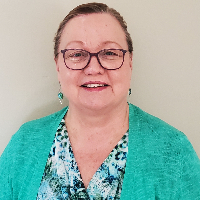
Dr. Susan Murati
LMHC, LCMHCNew Hampshire
- 19 yrs exp
Stress, Anxiety · Family · Trauma and abuse · +13
View Profile
Jamie Haidinger
LICSW, LCSWNew Hampshire
- 15 yrs exp
Stress, Anxiety · Relationship · Family · +11
View Profile

Ruth MacBain
LCPC, LCMHCNew Hampshire
- 11 yrs exp
Stress, Anxiety · Addictions · Self esteem · +8
View Profile

Tia Savage
LICSW, LCSWNew Hampshire
- 15 yrs exp
Stress, Anxiety · Relationship · Parenting · +12
View Profile


Luis Rosa
LCMHCNew Hampshire
- 30 yrs exp
Stress, Anxiety · Trauma and abuse · Self esteem · +12
View Profile
Jessica Mason
LCMHCNew Hampshire
- 10 yrs exp
Stress, Anxiety · Family · Trauma and abuse · +12
View Profile


Wayne Castro
LCMHCNew Hampshire
- 45 yrs exp
Stress, Anxiety · Trauma and abuse · Depression · +12
View Profile
Kelley Halter
LCMHCNew Hampshire
- 15 yrs exp
Stress, Anxiety · Family · Trauma and abuse · +14
View Profile


Alberto Chang
LCSW, LICSWNew Hampshire
- 10 yrs exp
Stress, Anxiety · Career · Depression · +13
View Profile

Shawn King
LPC, LCMHCNew Hampshire
- 9 yrs exp
Stress, Anxiety · Trauma and abuse · Parenting · +2
View Profile


Lorey Delap
LCSWNew Hampshire
- 17 yrs exp
Stress, Anxiety · Relationship · Coping with life changes · +7
View Profile



Felicity Bernard
LCMHCNew Hampshire
- 20 yrs exp
Stress, Anxiety · Family · Trauma and abuse · +2
View ProfileOverview of online therapy in New Hampshire
Online therapy has become a common option for people across New Hampshire who want mental health support without traveling long distances or rearranging their day. In this state, clinicians offer sessions by video or phone, and many list a range of approaches and specialties so you can look for a fit that matches your situation. You will find therapists who list cognitive behavioral therapy, psychodynamic work, family systems, mindfulness-based approaches and EMDR among their approaches, as well as clinicians who focus on life transitions, parenting, relationship concerns or trauma recovery. At the same time, laws and professional rules shape where and how teletherapy can be practiced. Therapists must hold an active license where they are providing services, and some clinical practices are structured to meet state requirements for telehealth. When you search for online therapy in New Hampshire, expect to see profile details that help you learn about a clinician’s approach, client focus, professional credentials and languages spoken. That information can help you identify professionals you may want to contact for an initial conversation about whether their style is a fit for your needs.
Benefits of online therapy for New Hampshire residents
Online therapy can reduce travel time and make it easier to fit sessions into a busy routine, whether you live in a city like Manchester or in a more rural part of the state. You can attend sessions from home, from a car during a break or from another location that is convenient for you when it is appropriate. For caregivers balancing family responsibilities, people with mobility limitations, students and shift workers, the flexibility of remote sessions can be especially helpful. Another advantage is access to therapists who list specific specialties or language skills that may not be readily available in your immediate area. If you prefer a clinician who understands family dynamics, teen issues, or the particular stresses of caregiving, you may find a better match among online profiles. Online sessions can also allow continuity of care when life requires relocation within the state. While online therapy is not the right fit for every clinical situation, many people discover that well-planned remote work provides meaningful progress and support while adapting to personal and logistical needs.
Common issues New Hampshire online therapists help with
Therapists who offer online sessions in New Hampshire commonly help with anxiety and mood concerns, relationship and family challenges, parenting support, stress management, grief and adjustment to life changes. You will also find clinicians who list work with trauma, identity and sexuality questions, chronic health-related stress and transitions such as divorce or retirement. Many practitioners describe specialties in adolescent mental health, perinatal mood concerns or couples counseling, and some emphasize work with caregivers and blended-family dynamics. When you read profiles, look for the ways clinicians describe their areas of focus and what kinds of goals they typically work toward with clients. Some therapists explain their approach to building coping strategies and improving communication, while others concentrate on exploring patterns, strengthening relationships or supporting life-stage transitions. Because therapists include their typical client population and the kinds of issues they address, you can identify professionals whose experience aligns with the challenges you are facing and reach out to learn more about how they work.
How to verify a therapist's license in New Hampshire
Verifying a therapist’s license helps you confirm that a clinician has the legal authorization to practice in New Hampshire. You can start by visiting the state licensing office's online license lookup tool to search by name or license number. The lookup will typically show the license type, issue and expiration dates, and whether there are any active disciplinary actions or restrictions. If a profile lists credentials such as LCSW, LMFT, LMHC, PsyD or PhD, those abbreviations indicate the kind of credential the clinician holds; the license lookup can confirm the official designation and current status. If you have questions about what a license type means or whether a clinician is permitted to provide online services across state lines, you can contact the licensing office directly to ask for clarification. Keep in mind that licensure rules vary by profession and by state, so when a clinician indicates they are licensed in New Hampshire, checking the state record gives you an authoritative view of status and any public board actions. If a therapist works with specific populations or uses particular approaches, you can ask them how that experience relates to their licensure and practice setting so you have a clear sense of their background.
Practical steps for verification
When you look up a name, confirm that the spelling matches what appears on the clinician's profile and note the license number if it is listed. Review the license status field and the expiration date to ensure the license is current. Read any public disciplinary notices closely, and contact the licensing office if you need help interpreting the report. If you prefer direct communication, a brief message to the therapist asking for their license number and the name of the issuing board can speed up the verification process. Professionals expect prospective clients to want this information and can point you to the correct online record.
How to get started with online therapy and tips for choosing the right therapist
Getting started means preparing a few practical details and clarifying what you hope to achieve in therapy. Before you reach out, think about what kinds of support you want - whether you are looking for help with mood, relationships, parenting, trauma recovery or life transitions. Use profile details to find clinicians who mention relevant focus areas and approaches. When you contact a therapist, ask about their experience with the issues you listed and about the typical course of work they describe, while remembering to avoid assuming that a listed approach automatically indicates specific certifications. Prepare a quiet, private space for sessions and make sure your technology - camera, microphone and internet connection - works well enough for video calls if you prefer that format. If a video session is not feasible, an initial phone conversation can still help you get a sense of whether a clinician's style and communication feel like a good fit.
Choosing a good match
Choosing the right therapist often comes down to how comfortable you feel talking with them and whether their focus aligns with your goals. Pay attention to how a clinician describes their approach, the client populations they work with and the outcomes they emphasize. Think about practical matters such as session length, communication preferences and languages offered. It is reasonable to reach out to more than one clinician to ask a few questions before making a decision. You may want to request an initial phone conversation to get a sense of rapport and to ask how they typically structure sessions for the issues you face. Trust your instincts about whether the clinician listens to you, takes your concerns seriously and explains their approach in a way that makes sense. Over time, if the working relationship feels constructive and you notice progress toward your goals, that is a sign you may have found a good match. If not, it is acceptable to continue searching until you find a clinician whose style and priorities align with your needs.
Online therapy in New Hampshire offers a range of options for many kinds of concerns. By reviewing profiles carefully, verifying licensure, preparing for remote sessions and trusting your judgment about fit, you can make informed choices about where to seek support. Use the directory to explore clinicians with the approaches and focus areas that matter to you, and reach out with questions so you can start the process with clarity and confidence.
Browse Specialties in New Hampshire
Mental Health Conditions (35 have therapists)
Addictions
8228 therapists
ADHD
7860 therapists
Anger
10734 therapists
Bipolar
7516 therapists
Chronic Illness
3037 therapists
Chronic Pain
3037 therapists
Compulsion
3580 therapists
Control Issues
6603 therapists
Depression
14356 therapists
Disaster Relief Therapy
3349 therapists
Dissociation
1963 therapists
Domestic Violence
4104 therapists
Eating Disorders
3489 therapists
Gambling
2371 therapists
Grief
11761 therapists
Guilt and Shame
9696 therapists
Impulsivity
5542 therapists
Intimacy Issues
7932 therapists
Isolation / Loneliness
9055 therapists
Midlife Crisis
5633 therapists
Mood Disorders
7588 therapists
Obsession
3580 therapists
OCD
3580 therapists
Panic Disorder and Panic Attacks
6557 therapists
Phobias
2494 therapists
Post-Traumatic Stress
8211 therapists
Postpartum Depression
4106 therapists
Seasonal Affective Disorder (SAD)
4853 therapists
Self Esteem
14207 therapists
Self-Harm
3912 therapists
Sexual Trauma
3793 therapists
Sleeping Disorders
4076 therapists
Social Anxiety and Phobia
8671 therapists
Stress & Anxiety
15752 therapists
Trauma and Abuse
12452 therapists
Life & Relationships (33 have therapists)
Abandonment
6061 therapists
Adoption
3369 therapists
Aging and Geriatric Issues
4225 therapists
Attachment Issues
6651 therapists
Blended Family Issues
5635 therapists
Body Image
4545 therapists
Career
9299 therapists
Caregiver Issues and Stress
7550 therapists
Codependency
6271 therapists
Commitment Issues
4863 therapists
Communication Problems
11393 therapists
Compassion Fatigue
8168 therapists
Coping with Life Changes
13417 therapists
Divorce
7611 therapists
Family
14874 therapists
Family of Origin Issues
5467 therapists
Fatherhood Issues
2972 therapists
Fertility Issues
1702 therapists
First Responder Issues
3179 therapists
Forgiveness
9200 therapists
Foster Care
3369 therapists
Hospice and End-of-Life Counseling
3012 therapists
Infidelity
4669 therapists
Jealousy
4269 therapists
Life Purpose
10019 therapists
Money and Financial Issues
3798 therapists
Parenting
12043 therapists
Pregnancy
3266 therapists
Relationship
14028 therapists
Self-Love
10112 therapists
Separation
7611 therapists
Sexuality
3317 therapists
Workplace Issues
7267 therapists