Therapists for Forgiveness
On this page you’ll find therapists who focus on forgiveness, offering guidance for healing from hurt, repairing relationships, and managing lingering resentments. Browse the listings below to review profiles that outline approaches, credentials, languages, and experience.




Miriam Perrin
LMHCFlorida
- 16 yrs exp
Stress, Anxiety · Relationship · Trauma and abuse · +7
View Profile

Kelley Sullivan
LCSWColorado
- 19 yrs exp
- 2 languages
Stress, Anxiety · Relationship · Trauma and abuse · +13
View Profile
Stacey Sugar
MD, LCPC, LPCCCalifornia
- 14 yrs exp
Stress, Anxiety · Relationship · Family · +10
View Profile








Emma Cott
LCMFTKansas
- 12 yrs exp
Stress, Anxiety · Relationship · Intimacy-related issues · +14
View Profile
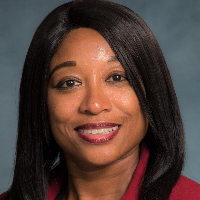
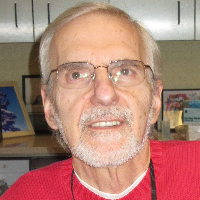


Marylise Zwarts
LMHCFlorida
- 25 yrs exp
- 2 languages
Relationship · Trauma and abuse · Grief · +13
View Profile
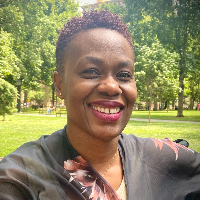


Richard Strand
LCSWNew York
- 25 yrs exp
- 2 languages
Stress, Anxiety · Addictions · Trauma and abuse · +12
View Profile


Brittany Elledge
LPCC, LMHCPennsylvania
- 12 yrs exp
Stress, Anxiety · Relationship · Self esteem · +12
View Profile


Betina Bolin
LCSWMissouri
- 16 yrs exp
Stress, Anxiety · Trauma and abuse · Self esteem · +13
View Profile
Stephen Richardson
LCSW, LISW-CPNorth Carolina
- 10 yrs exp
Stress, Anxiety · Relationship · Family · +17
View Profile










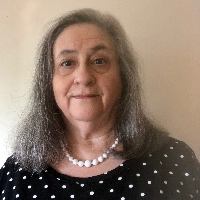
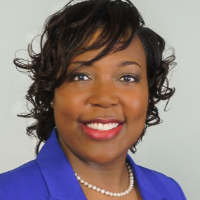

Valerie Marsh
LMFTMinnesota
- 23 yrs exp
Stress, Anxiety · Relationship · Trauma and abuse · +14
View Profile
What forgiveness means and how it affects your life
Forgiveness is often described as a process rather than a single event. For you, it can mean shifting how you relate to a past hurt - moving from a pattern of rumination, anger, or avoidance toward a place where the memory no longer dominates your emotions or choices. That does not always mean reconciliation with the person who caused harm. Sometimes forgiveness is primarily an internal change that helps you reclaim energy and reduce the emotional weight you carry.
The impact of unresolved hurt shows up in many parts of life. You might notice repeated tension in close relationships, difficulty trusting, chronic stress, or a tendency to replay painful scenes in your mind. Physical symptoms such as sleep disruption or ongoing bodily tension can accompany emotional reactions. When forgiveness becomes a focus, people frequently describe a clearer sense of agency, improved mood, and a greater capacity to engage in meaningful relationships without being constantly pulled back to the injury.
Signs you might benefit from therapy for forgiveness and what to expect
When to seek help
You might consider a therapist when the burden of a past hurt interferes with your daily functioning or relationships. If you find yourself ruminating for hours, avoiding certain people or places, or feeling stuck in anger long after an event, a therapist can help you understand the patterns that keep those feelings active. Therapy can also be helpful when the desire to forgive conflicts with other needs - for instance, when you want reconciliation but are also protecting your safety or sense of self.
What a typical session focuses on
In sessions centered on forgiveness you can expect a combination of emotional exploration and practical skill-building. Early meetings often involve telling your story in a way that clarifies what happened, how it affected you, and what you value most now. Your therapist will listen for the beliefs and meanings that sustain resentment - such as self-blame, shame, or rigid expectations - and help you examine whether those beliefs are accurate or useful. Over time you will practice techniques to regulate strong emotions, shift perspective, and rehearse new responses when memories or triggers arise.
Common therapeutic approaches used for forgiveness work
Therapists draw from a range of approaches when addressing forgiveness. Cognitive and behavioral methods help you identify unhelpful thoughts and replace them with alternatives that reduce emotional intensity. Emotion-focused work targets the feelings beneath anger - grief, fear, or humiliation - and supports you in experiencing and integrating those emotions without being overwhelmed by them. Narrative approaches help you rewrite the story you tell about the harm - emphasizing survival, meaning, or growth rather than solely focusing on victimization.
Some therapists emphasize mindfulness and acceptance-based practices to cultivate present-moment awareness and reduce reactivity. Others combine relational or attachment-informed perspectives to explore how early patterns shape how you respond to betrayal or loss. You may encounter therapists who list EMDR among their approaches; in those cases EMDR is offered as one of several tools to process memories and reduce their emotional charge. Note that listings describe approaches therapists use, and those listings are a starting point for assessing fit rather than proof of specific credentials.
How online therapy works for forgiveness-focused work
Online therapy can be a practical option if you prefer meeting by video, phone, or text-based messaging rather than traveling to an office. When you choose online sessions, you will typically schedule regular appointments and use a digital platform to connect with your therapist from a comfortable environment at home or another quiet setting. Many people find that working remotely makes it easier to fit therapy into a busy life, reduces logistical barriers, and still allows for deep emotional work.
Forgiveness work online follows many of the same principles as in-person therapy - you will tell your story, learn emotion-regulation techniques, and practice new cognitive or behavioral responses. Your therapist may guide you through mindfulness exercises, reflective writing, role-plays, or imagery-based practices during a video session. If you and your therapist decide to incorporate techniques that involve memory processing, those can often be adapted to the online format as well. It is useful to plan for a quiet, comfortable environment during sessions and to discuss boundaries and emergency plans with your therapist before beginning intensive work.
Choosing the right therapist for forgiveness work
What to look for in profiles
When you review therapist profiles, focus on how they describe their approach to hurt, reconciliation, and healing. Read about the ways they talk about relationships, emotion, and meaning - do they emphasize safety, empowerment, or practical coping skills? Look for information about populations they work with and languages spoken, which can help you decide whether their experience aligns with your needs. Many profiles also list approaches they use; remember that a listing indicates that a therapist uses an approach, not that a specific certification is guaranteed. You can use those descriptions to find professionals whose methods resonate with you.
Questions to guide your decision
Before you commit to several sessions you might reflect on what matters most in the therapeutic relationship. Do you prefer a therapist who focuses on emotional processing, one who teaches specific coping skills, or a professional who integrates both? Consider whether a therapist’s interest in family dynamics, relationship repair, or spiritual perspectives matches your goals. It can help to prepare a few questions to ask during an initial conversation, such as how they conceptualize forgiveness, what techniques they commonly use, and how they support people through setbacks.
Your comfort and sense of being heard are central to progress. Even if a profile looks promising, a good fit often becomes clear over the first few sessions as you notice whether the therapist's style helps you feel understood and empowered to experiment with new ways of responding to past harms. Give yourself permission to seek a different match if the relationship does not feel right, because the interpersonal fit matters when you tackle emotionally charged material.
Practical considerations and next steps
Starting forgiveness work is a personal decision that unfolds at your pace. You can begin by identifying one or two issues that feel most pressing and sharing those priorities with a therapist. In early sessions you will set goals together and create a plan for how to approach painful memories in a way that manages distress. Progress is rarely linear; expect advances and setbacks, and look for a therapist who offers steady guidance without pushing you before you are ready.
As you browse the therapist listings below, pay attention to descriptions of their focus areas, therapeutic approaches, and languages offered. Those details help narrow your search to professionals whose styles align with your needs. Once you select a few profiles that feel promising, reach out to learn more about how they conceptualize forgiveness work and whether their style matches what you are seeking. Taking that first step can open the door to significant emotional relief and new ways of relating to yourself and others.
Find Forgiveness Therapists by State
Alabama
259 therapists
Alaska
30 therapists
Arizona
206 therapists
Arkansas
125 therapists
California
1521 therapists
Colorado
368 therapists
Connecticut
172 therapists
Delaware
52 therapists
District of Columbia
52 therapists
Florida
1786 therapists
Georgia
664 therapists
Hawaii
71 therapists
Idaho
106 therapists
Illinois
604 therapists
Indiana
301 therapists
Iowa
83 therapists
Kansas
123 therapists
Kentucky
190 therapists
Louisiana
373 therapists
Maine
72 therapists
Maryland
267 therapists
Massachusetts
242 therapists
Michigan
633 therapists
Minnesota
227 therapists
Mississippi
193 therapists
Missouri
462 therapists
Montana
92 therapists
Nebraska
94 therapists
Nevada
84 therapists
New Hampshire
46 therapists
New Jersey
419 therapists
New Mexico
96 therapists
New York
889 therapists
North Carolina
738 therapists
North Dakota
14 therapists
Ohio
425 therapists
Oklahoma
291 therapists
Oregon
129 therapists
Pennsylvania
603 therapists
Rhode Island
35 therapists
South Carolina
339 therapists
South Dakota
33 therapists
Tennessee
288 therapists
Texas
1770 therapists
Utah
150 therapists
Vermont
34 therapists
Virginia
355 therapists
Washington
224 therapists
West Virginia
52 therapists
Wisconsin
277 therapists
Wyoming
44 therapists