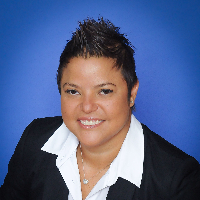
Miriam Perrin
LMHCFlorida
- 16 yrs exp
Stress, Anxiety · Relationship · Trauma and abuse · +7
View ProfileThe therapist listings are provided by BetterHelp and we will earn a commission if you use our link - at no cost to you.
Welcome to the Florida online therapy directory for Putting Family First. All therapists listed on this page hold a Florida license to practice and provide online services. Explore profiles to learn about approaches, focus areas, credentials and languages offered.
Florida
Stress, Anxiety · Relationship · Trauma and abuse · +7
View ProfileFlorida
Relationship · Trauma and abuse · Grief · +13
View ProfileFlorida
Stress, Anxiety · Relationship · Trauma and abuse · +15
View ProfileFlorida
Stress, Anxiety · Grief · Anger · +16
View ProfileFlorida
Stress, Anxiety · Trauma and abuse · Parenting · +15
View ProfileFlorida
Stress, Anxiety · Trauma and abuse · Self esteem · +7
View ProfileFlorida
Stress, Anxiety · Self esteem · Depression · +8
View ProfileFlorida
Stress, Anxiety · LGBT · Relationship · +9
View ProfileFlorida
Stress, Anxiety · Addictions · Trauma and abuse · +14
View ProfileFlorida
Stress, Anxiety · Relationship · Trauma and abuse · +9
View ProfileAs telehealth has become a routine part of mental health care, you will find a wide range of licensed professionals offering online sessions across Florida. Many practitioners who hold Florida licensure provide therapy via video calls and phone sessions that make it possible to connect from urban centers, suburban neighborhoods and rural communities alike. Regulations require that clinicians be licensed in the state where the client is located when providing care to state residents, so the therapists you see here list Florida licensure and have profiles that note the kinds of online services they provide. Technology makes it easier to maintain continuity of care when you relocate within the state or when your schedule or mobility needs change, but the fundamental requirement is that the clinician is authorized to practice in Florida.
Online therapy in Florida encompasses many professional credentials, including licensed mental health counselors, clinical social workers, marriage and family therapists and psychologists. Each credential has its own scope of practice and regulatory board. This directory focuses on helping you understand those differences and on presenting therapist profiles that describe clinical approaches, population focus and language abilities. Profiles will often indicate whether a clinician works with adolescents, adults, couples or families, and whether they list particular approaches among their offerings.
Choosing online therapy can change how you fit mental health care into your life. You can eliminate travel time and use sessions around work, school and caregiving responsibilities. For people living in areas where in-person mental health options are limited, an online appointment can expand access to clinicians who practice in other parts of the state. Seasonal residents who split time between Florida and other states may find online sessions help maintain continuity as they move between locations. The convenience of meeting from home or another quiet place also helps when weather or traffic prevents easy travel.
Online therapy can also help you reach clinicians who list specialized approaches or experience working with particular concerns. Some therapists list approaches such as cognitive behavioral therapy, dialectical behavior therapy, acceptance and commitment therapy or psychodynamic work among their offerings. Others indicate experience with life transitions, parenting challenges, couples communication or grief. If you need therapy in a language other than English, many profiles note language abilities so you can connect with someone who speaks your preferred language. Technology may also let you combine different supports - for example, alternating between individual and family sessions - in ways that fit your circumstances.
Online therapists can address a wide range of emotional and relational concerns without making medical diagnoses. You can turn to teletherapy for stress and anxiety management, persistent low mood, relationship difficulties, parenting support, perinatal emotional health, life transitions such as career change or retirement, and coping after loss. Therapists also often work with clients navigating identity questions, cultural stressors, workplace burnout and adjustment to chronic health conditions. Even when an issue feels complex, online therapy offers a venue to explore patterns, set goals and develop practical strategies to manage day-to-day challenges.
Some clinicians list trauma-informed approaches among their services and will note when they use techniques that focus on processing difficult experiences. Others indicate experience with substance use concerns, boundary-setting, or managing symptoms that interfere with daily functioning. When reading profiles, pay attention to the language therapists use to describe their focus areas - many will state they work with couples, families, teens, adults or specific life stages. Also note therapists who list particular approaches, such as those who list EMDR among their approaches or those who list cognitive behavioral methods, so you can identify profiles that align with what you hope to address.
Verifying a therapist's license is an important step before beginning online therapy. Start by locating the clinician's licensure information, which is usually displayed on their directory profile or professional website. You should find a license type and often a license number. With those details in hand, use the Florida regulatory board's public license lookup tool to confirm that the license is active and in good standing. You can search by name or license number to view the license status, expiration date and any public disciplinary history. If you have questions about what appears on the public record, the regulatory board can provide guidance on how to interpret listings.
When you review a license record, check that the license type matches the services described - for example, that a clinician who lists couples work holds a license that permits psychotherapy practice. Confirming an expiration date ensures the license is current. Public disciplinary records are listed when applicable, and a lack of disciplinary actions does not speak to clinical fit - it simply provides regulatory context. If a profile lists academic credentials or postgraduate training, consider those details in your decision-making but remember that listing an approach does not guarantee formal certification; it indicates that the clinician includes that approach among their methods.
Starting with an online therapist begins with a few simple actions. First, identify clinicians whose profiles mention areas and approaches that match your priorities, such as work with anxiety, parenting support, couples therapy or a specific therapeutic approach. Use the directory filters for focus areas, languages and credentials to narrow options. Once you have a shortlist, review each profile for information about session structure, typical length of sessions and whether they list the populations they work with. Many therapists indicate whether they see adults, adolescents or families, which can help you find someone suited to your needs.
After you select a few profiles that feel like a match, reach out to introduce yourself and ask any administrative questions you have, such as session length, fees and what platforms the clinician uses for online meetings. You can also ask about the therapist's experience working with your specific concern, phrasing the question to invite explanation rather than certification. For example, you might ask how they typically approach anxiety or relationship issues and what a typical early session looks like. That conversation can help you assess rapport and whether their style aligns with your preferences.
Choosing the right therapist involves both practical and personal considerations. Think about logistical factors such as language, whether the therapist works with your age group, and whether their listed approaches resonate with your goals. Also weigh interpersonal fit - many people find that the therapeutic relationship itself matters as much as the technique. You can evaluate fit by asking how the clinician structures sessions, how they set goals with clients and how they measure progress. It is reasonable to expect clear information about fees, cancellation policies and how to handle emergencies when a clinician is not available outside scheduled hours.
Finally, trust your judgment about what feels comfortable. If a therapist's profile or initial conversation does not feel like the right match, it is acceptable to continue your search. A good match is one where you feel heard and where the clinician explains approaches in ways that make sense to you. Over time, you can reassess whether your needs are being addressed and whether adjustments to session frequency or focus are needed. Using this directory as a starting point can help you find a licensed Florida clinician who lists the approaches and focus areas that matter to you, making it easier to begin the work you want to do.
Addictions
8228 therapists
ADHD
7860 therapists
Anger
10734 therapists
Bipolar
7516 therapists
Chronic Illness
3037 therapists
Chronic Pain
3037 therapists
Compulsion
3580 therapists
Control Issues
6603 therapists
Depression
14356 therapists
Disaster Relief Therapy
3349 therapists
Dissociation
1963 therapists
Domestic Violence
4104 therapists
Eating Disorders
3489 therapists
Gambling
2371 therapists
Grief
11761 therapists
Guilt and Shame
9696 therapists
Impulsivity
5542 therapists
Intimacy Issues
7932 therapists
Isolation / Loneliness
9055 therapists
Midlife Crisis
5633 therapists
Mood Disorders
7588 therapists
Obsession
3580 therapists
OCD
3580 therapists
Panic Disorder and Panic Attacks
6557 therapists
Phobias
2494 therapists
Post-Traumatic Stress
8211 therapists
Postpartum Depression
4106 therapists
Seasonal Affective Disorder (SAD)
4853 therapists
Self Esteem
14207 therapists
Self-Harm
3912 therapists
Sexual Trauma
3793 therapists
Sleeping Disorders
4076 therapists
Social Anxiety and Phobia
8671 therapists
Stress & Anxiety
15752 therapists
Trauma and Abuse
12452 therapists
Abandonment
6061 therapists
Adoption
3369 therapists
Aging and Geriatric Issues
4225 therapists
Attachment Issues
6651 therapists
Blended Family Issues
5635 therapists
Body Image
4545 therapists
Career
9299 therapists
Caregiver Issues and Stress
7550 therapists
Codependency
6271 therapists
Commitment Issues
4863 therapists
Communication Problems
11393 therapists
Compassion Fatigue
8168 therapists
Coping with Life Changes
13417 therapists
Divorce
7611 therapists
Family
14874 therapists
Family of Origin Issues
5467 therapists
Fatherhood Issues
2972 therapists
Fertility Issues
1702 therapists
First Responder Issues
3179 therapists
Forgiveness
9200 therapists
Foster Care
3369 therapists
Hospice and End-of-Life Counseling
3012 therapists
Infidelity
4669 therapists
Jealousy
4269 therapists
Life Purpose
10019 therapists
Money and Financial Issues
3798 therapists
Parenting
12043 therapists
Pregnancy
3266 therapists
Relationship
14028 therapists
Self-Love
10112 therapists
Separation
7611 therapists
Sexuality
3317 therapists
Workplace Issues
7267 therapists