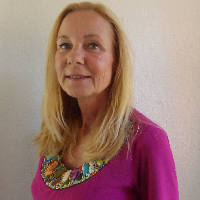
Velma Jones
LCSWNew York
- 29 yrs exp
Stress, Anxiety · Relationship · Trauma and abuse · +11
View ProfileThe therapist listings are provided by BetterHelp and we will earn a commission if you use our link - at no cost to you.
Explore licensed professionals who work with phobias and specific fears on this page. Browse the listings below to review approaches, credentials, languages, and focus areas to find a good match for your needs.
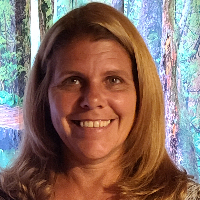
New York
Stress, Anxiety · Relationship · Trauma and abuse · +11
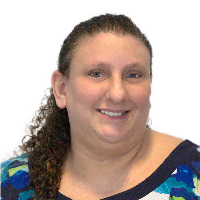
View ProfileCalifornia
Stress, Anxiety · Relationship · Family · +10
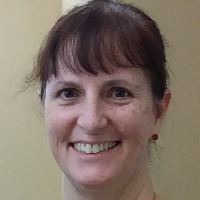
View ProfileMaryland
Stress, Anxiety · Trauma and abuse · Self esteem · +11
View ProfileNorth Carolina
Stress, Anxiety · Relationship · Family · +17
View ProfileIllinois
Stress, Anxiety · Trauma and abuse · Parenting · +13
View ProfileFlorida
Stress, Anxiety · Grief · Anger · +16
View ProfileCalifornia
Stress, Anxiety · Addictions · Relationship · +2
View ProfileArkansas
Stress, Anxiety · Trauma and abuse · Grief · +17
View ProfileFlorida
Stress, Anxiety · LGBT · Relationship · +9
View ProfileNorth Carolina
Stress, Anxiety · Addictions · Trauma and abuse · +14
View ProfileNew York
Stress, Anxiety · Relationship · Parenting · +2
View ProfileMissouri
Stress, Anxiety · Addictions · Relationship · +10
View ProfilePhobias are intense, often disproportionate fears of particular situations, objects, animals, or activities. They go beyond ordinary caution; they can prompt overwhelming anxiety, racing heart, or a strong urge to escape. While some phobias are tied to events you can point to, others develop gradually without a clear trigger. You may recognize a phobia by noticing how much energy you spend avoiding the feared thing and how that avoidance shapes your daily routine.
The emotional and practical effects can vary. For some people a phobia causes mild inconvenience, such as altering travel routes to avoid a certain bridge. For others it can limit work choices, strain relationships, or make it difficult to participate in activities that matter to you. Phobias can coexist with other forms of anxiety, mood concerns, or past stressful experiences. Understanding that a phobia is a common and treatable response to perceived threat is a first step toward finding approaches that reduce fear and expand your options.
You might consider seeking professional support if your fear causes frequent avoidance, interferes with goals, or creates a pattern of distress you cannot resolve on your own. If you notice you are changing plans, missing social events, or turning down job or educational opportunities because of a fear, therapy can help you examine those patterns and regain flexibility. You may also benefit from therapy if you experience strong physical reactions - sweating, trembling, dizziness - when facing the feared situation, or if worry about a phobia leaves you preoccupied even when the feared object is not present.
Therapy can also be useful if you have tried self-help strategies without meaningful change, or if the fear contributes to low mood, avoidance of social contact, or relationship tension. People often come to therapy hoping to reduce the intensity of panic symptoms, to better manage anticipatory anxiety, or to learn ways to confront feared situations step by step. If you feel stuck by fear and want practical strategies to increase confidence, a therapist who works with phobias can help you design a path forward.
When you begin therapy for a phobia, the early sessions often focus on understanding the specific fear and how it operates in your life. A therapist will typically ask questions about when the fear started, how you respond physically and mentally, and what you already do to cope. Together you may identify goals such as reducing avoidance, lowering panic intensity, or learning to approach feared situations with less distress. Good therapy for phobias tends to be goal-oriented and collaborative - you and your therapist shape a plan that fits your pace and circumstances.
Sessions may include teaching skills you can use between meetings, such as breathing techniques, grounding practices, and ways to notice anxious thoughts without acting on them. You can expect gradual, repeated practice of facing elements of the fear in a controlled way, often starting with less distressing steps before moving to more challenging situations. Progress is typically measured by increased willingness to approach feared situations, reduced intensity of anxiety, and improved functioning in daily life.
Therapy for phobias commonly unfolds in incremental stages. You will usually begin with assessment and education, followed by skill building, then exposure practice and consolidation. The pace is matched to what you find manageable so that practice builds confidence rather than reinforcing avoidance. You and your therapist may revisit goals periodically and adjust exercises based on what helps most.
Several approaches have been used to address phobias, and therapists often combine methods to suit your needs. Exposure-based work is central to many treatment plans because facing feared situations in a structured way helps you learn that anxiety can decrease without danger. Exposure can be done in person, imagined, or through visualization and guided exercises. Therapists may use gradual steps to help you approach rather than avoid, helping you collect new experiences that change how the fear feels.
Cognitive approaches focus on the thoughts and beliefs that maintain fear. You will learn to notice unhelpful predictions, test them in real life, and develop more balanced ways of thinking about risk. Some therapists use acceptance-oriented strategies to help you move toward valued activities even when uncomfortable feelings remain. Relaxation skills and breath control are frequently taught to reduce the intensity of bodily symptoms during exposure or everyday encounters.
Other practitioners list approaches such as eye movement techniques among their methods, which some people choose as part of a broader plan. It is common to combine psychological strategies with guidance from a medical provider when medication is part of a person’s overall care. When reviewing therapist profiles, you may see a range of approaches listed - consider how each might fit your preferences and goals rather than viewing any single method as a guarantee of results.
Online therapy can be a practical option for working on phobias because it lets you meet with a therapist from home and transfer skills into real-life contexts more directly. Sessions usually happen through supported video or phone connections and can be scheduled to fit your routine. Online work can include the same elements as in-person care - assessment, skill building, exposure planning, and reflection - and it can be especially useful for fears tied to travel, social situations, or performance because you can plan practice in your actual environments between sessions.
When you choose online therapy for phobias, you can expect therapists to adapt exposure tasks to the constraints and opportunities of remote work. For example, an initial exposure might be a video call in which you practice breathing and grounding while thinking about a feared scenario, followed by homework that takes place in your neighborhood or at home. You should also plan how to manage intense reactions safely during and after online sessions, including discussing emergency plans with your therapist and knowing who to contact locally if you need urgent help.
Choosing a therapist is a personal process and you can rely on several practical criteria to guide your decision. Look for professionals who mention experience with anxiety and phobias or who list exposure, cognitive approaches, or anxiety-focused work among their approaches. Read bios to learn about focus areas, languages offered, and whether they work with adults, adolescents, or children if that matters for your situation. Comparing approaches and areas of focus helps you find a match for your comfort level and treatment goals.
When you contact a therapist, consider asking about their general approach to phobias, how they structure exposure work, and how they measure progress. It is reasonable to inquire how they tailor pacing to a person’s readiness and what kinds of between-session practice they recommend. You may also want to know whether they have experience supporting people with similar fears or life circumstances, and how they collaborate with other providers if you are working with a prescriber or medical team.
Finally, give yourself permission to try more than one therapist if the first match does not feel right. Therapy effectiveness depends on fit as well as method, and when you find someone whose style and plan align with your goals, you are more likely to stay engaged with the work. Use the listings below to compare profiles and choose a therapist who describes approaches and focus areas that resonate with you.
Alabama
259 therapists
Alaska
30 therapists
Arizona
206 therapists
Arkansas
125 therapists
California
1521 therapists
Colorado
368 therapists
Connecticut
172 therapists
Delaware
52 therapists
District of Columbia
52 therapists
Florida
1786 therapists
Georgia
664 therapists
Hawaii
71 therapists
Idaho
106 therapists
Illinois
604 therapists
Indiana
301 therapists
Iowa
83 therapists
Kansas
123 therapists
Kentucky
190 therapists
Louisiana
373 therapists
Maine
72 therapists
Maryland
267 therapists
Massachusetts
242 therapists
Michigan
633 therapists
Minnesota
227 therapists
Mississippi
193 therapists
Missouri
462 therapists
Montana
92 therapists
Nebraska
94 therapists
Nevada
84 therapists
New Hampshire
46 therapists
New Jersey
419 therapists
New Mexico
96 therapists
New York
889 therapists
North Carolina
738 therapists
North Dakota
14 therapists
Ohio
425 therapists
Oklahoma
291 therapists
Oregon
129 therapists
Pennsylvania
603 therapists
Rhode Island
35 therapists
South Carolina
339 therapists
South Dakota
33 therapists
Tennessee
288 therapists
Texas
1770 therapists
Utah
150 therapists
Vermont
34 therapists
Virginia
355 therapists
Washington
224 therapists
West Virginia
52 therapists
Wisconsin
277 therapists
Wyoming
44 therapists