Family and Parenting Therapists in Alaska
Welcome to our directory of online therapists serving Alaska. All therapists listed here are licensed in their professional fields and provide remote counseling options for residents across the state. Explore the profiles below to learn about each clinician's approaches, focus areas, languages, and experience.
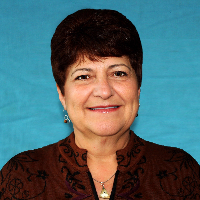





Rachael Woods
LCSWAlaska
- 24 yrs exp
- 2 languages
Stress, Anxiety · Addictions · Trauma and abuse · +11
View Profile





Brett Wilcox
LPC, LCMHCAlaska
- 25 yrs exp
Stress, Anxiety · Relationship · Trauma and abuse · +6
View Profile


Fay Callam
LICSW, LCSWAlaska
- 35 yrs exp
Stress, Anxiety · Addictions · Trauma and abuse · +10
View Profile










Joanna Sanchez
LCSWAlaska
- 15 yrs exp
- 2 languages
Stress, Anxiety · Addictions · Trauma and abuse · +6
View Profile



Overview of online therapy availability in Alaska
Online therapy has become a common way for Alaskans to access mental health and family counseling without the need to travel long distances. Teletherapy options have expanded over the last several years, making it possible to connect with clinicians in Anchorage, Fairbanks, Juneau, rural hubs, and remote communities by video or phone. While modes of service and scheduling practices vary among clinicians, many licensed professionals now list remote counseling among the ways they work. If you live in a small community, are managing caregiving responsibilities, or prefer not to commute, online sessions can reduce logistical barriers while allowing regular contact with a therapist who matches your needs.
It is important to note that laws and practice expectations guide how therapists provide online services in Alaska. In general, clinicians who offer ongoing therapy to someone physically located in Alaska must hold an Alaska license appropriate to their profession. That requirement helps ensure that services are delivered under the state rules that apply to counseling, social work, or marriage and family therapy. When you search profiles, look for clear information about licensure, approaches, and the populations a therapist focuses on so you can find a good working match.
Benefits of online therapy for Alaska residents
Online therapy offers flexibility that can be particularly valuable in Alaska, where distances between communities can be large and winter travel may be difficult. You can save travel time and reduce the disruption of leaving work or family responsibilities to attend appointments. For parents and caregivers, an online session can be scheduled around school runs or caregiving tasks, and for people in more remote areas, it can open access to clinicians whose specialties are not available locally.
Beyond convenience, online therapy can make it easier to receive consistent support over time. You may be able to continue working with the same clinician when you relocate within the state or when seasonal work patterns change. A remote format can also increase options for matching on factors such as clinical focus, language, age or cultural background. Many people find that being able to choose from a wider pool of clinicians improves the chance of finding someone whose style and approach fit their preferences.
Issues online therapists in Alaska commonly help with and approaches you may encounter
Online therapists in Alaska commonly work with a broad range of concerns, including anxiety, depression, stress related to work or school, parenting and family dynamics, relationship issues, grief and loss, life transitions, and behavioral health challenges. You will also find clinicians who list experience working with trauma, substance use concerns, and adolescent or child behavioral needs, as well as those who focus on perinatal mood concerns and caregiving stress. The remote format can support individual, couples, and family work when participants are in different locations within the state.
Therapists describe their work using a variety of approaches. You may find clinicians who list cognitive-behavioral methods, dialectical behavior approaches, family systems perspectives, mindfulness-based strategies, or strengths-based and solution-focused practices. Some therapists list EMDR among their approaches, while others highlight play-based work for children or developmental and attachment-focused methods for families. Listing an approach does not equate to a certification claim, but it can help you understand the language a clinician uses and whether that resonates with your goals.
How to verify a therapist's license in Alaska
Verifying a therapist's license is an important step when you are considering remote counseling. You can start by checking the professional license information that appears on a clinician's profile. Most profiles will include a license type and a license number or indicate the professional title such as Licensed Professional Counselor, Licensed Clinical Social Worker, or Licensed Marriage and Family Therapist. These labels help you understand the clinician's regulated discipline.
To confirm details, use the state licensing search maintained by Alaska's licensing authority. By entering a clinician's name or license number into the state database, you can view the current license status, the license type, and the date of expiration, and you may find public records of disciplinary actions if any exist. If you prefer, you can also contact the licensing board by phone or email for guidance. When reviewing the record, look for an active status and a license that covers clinical practice in Alaska. If a profile lists multi-state practice or out-of-state licensure, ask the clinician how that relates to services provided to someone located in Alaska.
How to get started with an online therapist and tips for choosing the right fit
When you are ready to reach out to a clinician, start by reviewing profiles with attention to the therapist's stated focus areas, approaches, languages spoken, and any notes about working with families or children. Narrow your options based on what matters most to you - whether that is familiarity with parenting issues, specialty work with adolescents, trauma-informed approaches, or cultural and linguistic match. After you identify a few clinicians who seem like potential fits, contact their offices to learn about intake procedures, typical session length, fees, and whether they work with your insurer or offer sliding fee arrangements.
Before your first session, think about the goals you would like to address. It can be helpful to write down a few priorities so you and your clinician can set a collaborative direction from the start. Ask about what a typical session entails, what methods the clinician uses to track progress, and how they handle emergencies or crisis situations when someone is connecting remotely. Also ask how technology is used - whether sessions are held via video or phone and what steps are suggested to prepare a comfortable environment for talking. A preliminary conversation can give you a sense of the clinician's communication style and whether their approach feels like a good match.
Choosing the right therapist often comes down to fit. You are looking for someone whose approach aligns with your goals, whose experience matches the challenges you are facing, and with whom you feel understood and respected. It is reasonable to try a few clinicians to find the best working relationship. Over time, consistent communication about goals, boundaries, and preferred methods of working will help you get the most from online therapy. If family or couples work is needed, talk with potential clinicians about how they structure sessions when multiple household members participate from different locations within the state.
Online therapy in Alaska can broaden your options for support while keeping care grounded in the state's licensing and practice expectations. By reviewing clinician profiles, verifying licensure through the state database, and asking practical questions about approach and process, you can take clear steps toward finding a therapist who meets your needs. Use the directory listings as a starting point to explore therapists who list the approaches and focus areas that matter to you, and reach out to begin a conversation about how remote counseling could fit into your life.
Browse Specialties in Alaska
Mental Health Conditions (35 have therapists)
Addictions
8228 therapists
ADHD
7860 therapists
Anger
10734 therapists
Bipolar
7516 therapists
Chronic Illness
3037 therapists
Chronic Pain
3037 therapists
Compulsion
3580 therapists
Control Issues
6603 therapists
Depression
14356 therapists
Disaster Relief Therapy
3349 therapists
Dissociation
1963 therapists
Domestic Violence
4104 therapists
Eating Disorders
3489 therapists
Gambling
2371 therapists
Grief
11761 therapists
Guilt and Shame
9696 therapists
Impulsivity
5542 therapists
Intimacy Issues
7932 therapists
Isolation / Loneliness
9055 therapists
Midlife Crisis
5633 therapists
Mood Disorders
7588 therapists
Obsession
3580 therapists
OCD
3580 therapists
Panic Disorder and Panic Attacks
6557 therapists
Phobias
2494 therapists
Post-Traumatic Stress
8211 therapists
Postpartum Depression
4106 therapists
Seasonal Affective Disorder (SAD)
4853 therapists
Self Esteem
14207 therapists
Self-Harm
3912 therapists
Sexual Trauma
3793 therapists
Sleeping Disorders
4076 therapists
Social Anxiety and Phobia
8671 therapists
Stress & Anxiety
15752 therapists
Trauma and Abuse
12452 therapists
Life & Relationships (33 have therapists)
Abandonment
6061 therapists
Adoption
3369 therapists
Aging and Geriatric Issues
4225 therapists
Attachment Issues
6651 therapists
Blended Family Issues
5635 therapists
Body Image
4545 therapists
Career
9299 therapists
Caregiver Issues and Stress
7550 therapists
Codependency
6271 therapists
Commitment Issues
4863 therapists
Communication Problems
11393 therapists
Compassion Fatigue
8168 therapists
Coping with Life Changes
13417 therapists
Divorce
7611 therapists
Family
14874 therapists
Family of Origin Issues
5467 therapists
Fatherhood Issues
2972 therapists
Fertility Issues
1702 therapists
First Responder Issues
3179 therapists
Forgiveness
9200 therapists
Foster Care
3369 therapists
Hospice and End-of-Life Counseling
3012 therapists
Infidelity
4669 therapists
Jealousy
4269 therapists
Life Purpose
10019 therapists
Money and Financial Issues
3798 therapists
Parenting
12043 therapists
Pregnancy
3266 therapists
Relationship
14028 therapists
Self-Love
10112 therapists
Separation
7611 therapists
Sexuality
3317 therapists
Workplace Issues
7267 therapists