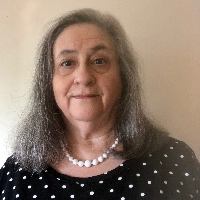
Velma Jones
LCSWNew York
- 29 yrs exp
Stress, Anxiety · Relationship · Trauma and abuse · +11
View ProfileThe therapist listings are provided by BetterHelp and we will earn a commission if you use our link - at no cost to you.
This page lists therapists who work with experiences of prejudice and discrimination, including bias, microaggressions, and systemic harms. Use the filters below to explore their focus areas, approaches, credentials, and languages. Browse the listings to find professionals whose profiles align with the support you want.
New York
Stress, Anxiety · Relationship · Trauma and abuse · +11
View ProfileColorado
Stress, Anxiety · Relationship · Trauma and abuse · +13
View ProfileCalifornia
Stress, Anxiety · Relationship · Family · +10
View ProfileMaryland
Stress, Anxiety · Trauma and abuse · Self esteem · +11
View ProfileNorth Carolina
Stress, Anxiety · Relationship · Family · +17
View ProfileTexas
Stress, Anxiety · Relationship · Trauma and abuse · +16
View ProfileNorth Carolina
Stress, Anxiety · Relationship · Anger · +13
View ProfileFlorida
Stress, Anxiety · Grief · Anger · +16
View ProfileFlorida
Stress, Anxiety · Self esteem · Depression · +8
View ProfilePrejudice and discrimination take many forms, from overt acts of exclusion and harassment to more subtle experiences such as microaggressions, implicit bias, and institutional barriers. These experiences can accumulate over time, shaping how you see yourself and how you respond to daily situations. For some people, prejudice is episodic and tied to a particular event. For others, it is a background stressor that influences relationships, work, and mental wellbeing. The impact is not only emotional - it can affect your sense of safety, your trust in institutions, and your access to resources. How you experience prejudice is also shaped by intersecting identities such as race, gender, sexuality, disability, religion, age, immigration status, and socioeconomic position. Because of this, the effects are often complex and layered rather than straightforward.
Recognizing these layers can help you place your reactions in context. You may notice patterns of avoidance, hypervigilance, or numbness that are responses to repeated exposure to bias or exclusion. At the same time, experiences of prejudice can catalyze growth, activism, and stronger community ties. Therapy that focuses on prejudice and discrimination aims to acknowledge the social origins of distress while offering individual tools to manage symptoms, rebuild trust, and strengthen coping strategies. Thinking about these dynamics can help you decide whether you want support that centers systemic understanding, identity-affirmation, practical coping skills, or some blend of these elements.
If you find that experiences of bias or exclusion are affecting your quality of life, you may benefit from targeted therapeutic support. People often seek help when stress from discriminatory experiences starts to interfere with daily functioning. You might be struggling with persistent anxiety, low mood, difficulty sleeping, or an increase in irritability tied to encounters where you felt devalued. Relationship strain is another common sign - you may withdraw from friends or family, feel misunderstood by people who cannot relate to your experiences, or have trouble expressing the emotional cost of these events. Some people notice that work performance or educational goals are harder to sustain because of chronic stress related to identity-based unfairness.
Other signals include recurring thoughts about past incidents, avoidance of places that feel threatening, or a sense of helplessness when facing institutional barriers. If you are coping by using substances, isolating, or taking on excessive caretaking to make others comfortable, these could be signs that the emotional load is becoming too much to carry alone. Therapy can be a space to process events, explore responses, and develop strategies that help you regain equilibrium and pursue goals with more clarity.
Early sessions typically involve building rapport and creating a sense of safety in the therapeutic relationship. You and the therapist may spend time discussing the experiences that brought you to therapy, including specific incidents of prejudice and the ways these events have affected your emotional and physical wellbeing. Expect a collaborative conversation about goals - whether you want short-term relief from symptoms, deeper exploration of identity and meaning, or practical skills to navigate systemic challenges. The therapist will likely ask about your background, cultural context, support network, and what has helped or hurt in the past. You can also explore communication preferences, such as how you want to address identity-related topics and whether you want the therapist to include community or social context in sessions.
There is no single way to address prejudice and discrimination in therapy. You may find therapists who list cognitive behavioral therapy, narrative therapy, trauma-informed care, or EMDR among their approaches. Some therapists emphasize culturally responsive methods that center your identity and lived experience. Others combine practical skills training - such as stress management, grounding techniques, and assertive communication - with processing the emotional impact of discriminatory events. Narrative-oriented work can help you examine how cultural messages have shaped your self-story and explore alternative, more empowering narratives. Trauma-informed approaches are used by therapists who aim to recognize the impact of overwhelming experiences and to create pacing that feels manageable for you. When choosing an approach, you might prefer a therapist who explicitly names attention to structural factors, community resilience, and identity-affirming practices in their profile.
Online therapy can expand your options when seeking help for prejudice and discrimination, especially if local resources are limited or if you prefer the convenience of remote sessions. Many therapists offer video, phone, or text-based sessions that allow you to work from a location that feels comfortable and accessible. Remote therapy can enable you to connect with clinicians who share or understand your cultural background, language, or lived experience without geographic constraints. When you choose online care, you should think about how technology fits your needs - some people prefer real-time video for face-to-face connection, while others find messaging or phone calls less triggering and easier to schedule around daily life.
Keep in mind that online therapy also raises practical considerations. You will want to arrange for a space where you feel you can speak candidly and where interruptions are minimized. Consider what privacy measures you prefer on your devices and whether you want to discuss particular time zones or communication norms with a therapist. Many people appreciate that remote sessions can make it easier to involve supportive network members or to coordinate care across locations. Online formats can be used to address both acute incidents and longer-term healing related to prejudice and discrimination, and therapists may adapt techniques to the virtual setting to maintain connection and therapeutic effectiveness.
When you browse listings, focus on elements that speak to cultural competence, relevant focus areas, and shared language or cultural background if that matters to you. Review the ways therapists describe their work - some will explicitly state that they focus on discrimination, identity-based trauma, community resilience, or allyship. Look for mentions of approaches you resonate with, remembering that profiles note approaches rather than formal certifications. Pay attention to the credentials listed and the populations the therapist describes working with, such as specific age groups, communities, or identity concerns. Language skills, experience with immigrant or refugee populations, and an emphasis on social justice or anti-oppressive practice can be important features depending on your needs.
Before contacting a therapist, consider what matters most to you in a helping relationship. You might ask yourself whether you prefer a clinician who shares aspects of your identity, or whether you value an ally who demonstrates cultural humility and experience working across differences. Think about whether you want a therapy style that focuses more on practical coping skills or on processing long-standing identity wounds. It can help to note any logistical preferences, such as session format, language, or how the therapist discusses systemic factors. When you read a profile, imagine how their stated focus and approaches would match your goals. Over time, many people find that the best fit is a combination of professional expertise, interpersonal style, and a sense that the therapist acknowledges the social context of their experiences.
Choosing a therapist is a personal process. By focusing on profiles that explicitly engage with prejudice and discrimination, clarifying your goals, and weighing communication and cultural fit, you can narrow your search to clinicians who are most likely to support the kind of healing and growth you want. If you are unsure where to begin, the listings below can help you explore different approaches, languages, and focus areas so you can find a starting point that aligns with your needs.
Alabama
259 therapists
Alaska
30 therapists
Arizona
206 therapists
Arkansas
125 therapists
California
1521 therapists
Colorado
368 therapists
Connecticut
172 therapists
Delaware
52 therapists
District of Columbia
52 therapists
Florida
1786 therapists
Georgia
664 therapists
Hawaii
71 therapists
Idaho
106 therapists
Illinois
604 therapists
Indiana
301 therapists
Iowa
83 therapists
Kansas
123 therapists
Kentucky
190 therapists
Louisiana
373 therapists
Maine
72 therapists
Maryland
267 therapists
Massachusetts
242 therapists
Michigan
633 therapists
Minnesota
227 therapists
Mississippi
193 therapists
Missouri
462 therapists
Montana
92 therapists
Nebraska
94 therapists
Nevada
84 therapists
New Hampshire
46 therapists
New Jersey
419 therapists
New Mexico
96 therapists
New York
889 therapists
North Carolina
738 therapists
North Dakota
14 therapists
Ohio
425 therapists
Oklahoma
291 therapists
Oregon
129 therapists
Pennsylvania
603 therapists
Rhode Island
35 therapists
South Carolina
339 therapists
South Dakota
33 therapists
Tennessee
288 therapists
Texas
1770 therapists
Utah
150 therapists
Vermont
34 therapists
Virginia
355 therapists
Washington
224 therapists
West Virginia
52 therapists
Wisconsin
277 therapists
Wyoming
44 therapists