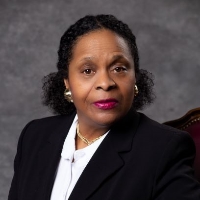
Dr. Elizabeth Franklin
Compassionate practical help for life's challenges
- Credentials
- LPC
- Experience
- 20 years
- Licensed in
- Missouri
- Languages
- English
- Format
- Online sessions
About Elizabeth
Dr. Elizabeth Franklin is a licensed professional counselor with 20 years of clinical experience in Missouri. She focuses on practical support for people facing stress, anxiety, depression, addiction, and life changes.
Her work centers on hearing each person’s story and helping them take clear steps forward. She builds straightforward, goal-oriented plans with clients. Sessions often include noticing patterns, trying new behaviors, and checking what works.
She uses approaches that focus on thoughts and actions and on what clients want to change now.
Background and approach
Clients meet a therapist who values clear communication and steady support. Conversations aim to make daily life easier - sleep, eating, energy, and managing strong emotions are common topics. She pays attention to how relationships and roles affect wellbeing.
Her background combines years of clinical practice with training in client-centered care, cognitive behavioral techniques, and solution-focused methods. This mix allows for flexibility - some people need skill-building, others want short-term problem solving. Dr.
Franklin describes her role as a collaborator. She helps people set realistic goals, practice new responses, and re-evaluate progress. The approach is practical and compassionate, aimed at useful changes rather than labels.
Many who reach out want help with parenting, career stress, grief, intimacy issues, or coping with major transitions. She supports people working through these concerns with clear plans and hands-on tools.
Therapeutic approaches and online care that fit your life
Client-centered therapy focuses on listening and understanding each person’s perspective. The therapist follows the client’s lead, reflects concerns back, and helps clarify goals so people feel understood and can decide what changes to try. This approach is useful when someone needs space to sort out feelings and figure out personal priorities.Cognitive Behavioral Therapy, or CBT, looks at how thoughts and actions affect mood. Sessions often include identifying unhelpful thinking, trying small behavioral experiments, and practicing new skills to reduce anxiety or depression. This method is practical for sleep problems, worry, and managing strong emotions.
Solution-focused therapy zeroes in on concrete steps and quick gains. Rather than dwelling on problems, the work highlights strengths and small changes that move life forward. It suits people who want short-term, goal-oriented support for issues like career decisions or parenting strategies.
Finding the right mix of approaches is part of the process. The therapist will work together with each person to choose methods that match their needs, goals, and preferences. That collaboration makes it easier to adjust the plan as progress happens.
Online therapy provides flexibility through video calls, phone conversations, live chat, or text messaging. These options help people fit sessions into busy days, manage caregiving duties, or stay connected while traveling. The variety of formats also lets clients pick the way of communicating that feels most comfortable for them.
Client-Centered Therapy
The direction comes from you rather than from a set programme. The therapist offers a warm, non-judgemental space to think out loud and work at your own pace. Online, this rests on the relationship rather than on being in the same room.
Cognitive Behavioral Therapy (CBT)
CBT looks at the link between what you think, how you feel, and what you do. You work on noticing unhelpful patterns and practising steadier responses. It suits online sessions well, because much of the work happens between appointments and can be talked through from anywhere.
Solution-Focused Therapy
Rather than examining the problem at length, this looks at what is already working and builds on it. Sessions tend to be practical and forward-looking, with small achievable steps, which translates readily to shorter online conversations.
Frequently asked questions
What kinds of concerns does she address?
How would you describe her therapy style?
How much clinical experience does she have?
What are her credentials and where is she based?
Which languages are supported and can international clients connect?
What session formats are offered?
How is cost handled for sessions?
What should I do to begin working together?
Specialties and expertise
Top specialties
Also works with
- ADHD
- Aging and geriatric issues
- Anger management
- Antisocial personality
- Attachment issues
- Bipolar disorder
- Body image
- Career difficulties
- Caregiver issues and stress
- Coaching
- Codependency
- Commitment issues
- Communication problems
- Control issues
- Coping with life changes
- Coping with natural or human-caused disaster
- Depression
- Divorce and separation
- Domestic violence
- Drug and alcohol addiction
- Eating disorders
- Family conflicts
- Family problems
- Forgiveness
- Grief
- Guilt and shame
- Intimacy-related issues
- Isolation / loneliness
- Life purpose
- Midlife crisis
- Multicultural concerns
- Parenting issues
- Prejudice and discrimination
- Relationship issues
- Self esteem
- Self-love
- Sleeping disorders
- Veteran and Armed Forces Issues
- Women's issues
- Workplace issues
Therapeutic approaches
- Experience
- 20 years
- Licensed
- Missouri
- Languages
- English
Next step
Talk to Elizabeth
- Takes a few minutes
- Nothing to set up just to look
- Stop at any point