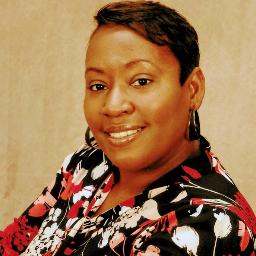
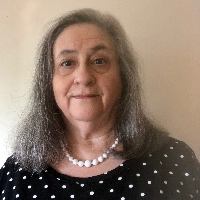
Velma Jones
LCSWNew York
- 29 yrs exp
Stress, Anxiety · Relationship · Trauma and abuse · +11
View ProfileThe therapist listings are provided by BetterHelp and we will earn a commission if you use our link - at no cost to you.
This page collects therapists who list women's issues as a specialty, covering topics from reproductive transitions to interpersonal and identity concerns. Explore the listings below to review clinicians by focus, approach, credentials and languages.
Use the directory to learn more about different clinicians and find a practitioner whose experience and approach align with what you're seeking.
New York
Stress, Anxiety · Relationship · Trauma and abuse · +11
View ProfileColorado
Stress, Anxiety · Relationship · Trauma and abuse · +13
View ProfileCalifornia
Stress, Anxiety · Relationship · Family · +10
View ProfileKansas
Stress, Anxiety · Relationship · Intimacy-related issues · +14
View ProfileFlorida
Relationship · Trauma and abuse · Grief · +13
View ProfileMaryland
Stress, Anxiety · Trauma and abuse · Self esteem · +11
View ProfilePennsylvania
Stress, Anxiety · Relationship · Self esteem · +12
View ProfileMissouri
Stress, Anxiety · Trauma and abuse · Self esteem · +13
View ProfileMinnesota
Stress, Anxiety · Relationship · Trauma and abuse · +14
View ProfileSouth Carolina
Stress, Anxiety · Addictions · Family · +4
View ProfileTexas
Stress, Anxiety · Relationship · Trauma and abuse · +16
View ProfileThe term women's issues is broad and includes emotional, relational and life-stage concerns that people who identify as women may encounter. This encompasses experiences around menstrual health and premenstrual changes, pregnancy and postpartum adjustment, fertility struggles, menopausal transitions, gender-based trauma, body image and eating concerns, caregiving stress, workplace dynamics and questions related to sexual health and identity. Because the category is expansive, two people who both search for a therapist for women's issues may be seeking very different kinds of support.
Women and people assigned female at birth can experience the interplay of social expectations, hormonal cycles and life roles in ways that intensify stress or complicate coping. For example, hormonal changes may influence mood for some people, while societal pressures about caregiving or appearance can create chronic internalized stress. The emotional impact of reproductive events - miscarriages, infertility, pregnancy loss or birth trauma - may be profound and can affect relationships, self-esteem and daily functioning. Therapy aimed at women's issues often attends to these biological, interpersonal and cultural dimensions together, rather than isolating a single cause.
Understanding women's issues as a set of interconnected concerns helps you identify what aspects of life you want to address. That clarity can guide your search toward clinicians whose stated focus areas and clinical approaches resonate with your situation.
You might consider seeking a therapist who lists women's issues among their specialties if you find persistent distress related to reproductive or gendered experiences that interferes with your daily life. This could look like prolonged sadness or anxiety after pregnancy or a reproductive loss, recurring struggles with body image or eating patterns, difficulty navigating menopause-related changes in mood or cognition, or ongoing symptoms after sexual or gender-based trauma. You may notice increased conflict in relationships, withdrawal from social activities, trouble concentrating at work or sleep disruptions tied to these concerns.
Other indicators include feeling overwhelmed by caregiving demands, experiencing chronic guilt about balancing work and family, or encountering workplace harassment that leaves you uncertain how to proceed. If questions about identity, sexuality or role expectations are causing shame, confusion or avoidance, therapy can offer a space to explore them. Feeling stuck despite self-help efforts, or noticing that patterns repeat across different relationships and life stages, are also common reasons people pursue focused therapeutic support.
Therapy is not only for crises. You may seek a clinician to prepare for an upcoming transition, to build coping strategies for cyclical mood changes, or to deepen self-understanding. If you're unsure whether a women's-issues focus is the right fit, reading therapists' profiles for their stated interests, populations served and descriptive notes can help you decide which listings to explore further.
When you begin sessions with a therapist who works with women's issues, the initial meetings typically include exploration of your current concerns, history and treatment goals. Expect questions about reproductive history, life transitions, relationship dynamics and any medical factors that might be relevant. That information helps the clinician build a holistic picture rather than treating symptoms in isolation. You should experience collaborative goal-setting so that therapy addresses what matters most to you, whether that is stabilizing mood after a postpartum period, healing from trauma or developing communication skills for relationship challenges.
Therapy often involves a combination of emotional processing, practical skill-building and psychoeducation. Emotional processing gives you a chance to work through difficult memories and feelings in a supportive setting. Skill-building may include stress management techniques, emotion regulation strategies, or communication tools to use with partners, family members or employers. Psychoeducation can help you understand how hormonal changes, sleep, nutrition and social roles interact with mental health, enabling more informed choices about self-care and medical consultations.
Sessions vary in pace and tone based on your needs. Some people focus on structured interventions over a defined period, while others prefer open-ended exploration. You can expect the clinician to outline session frequency and format, and to check in periodically about progress. Therapy for women's issues often involves coordination with other professionals such as medical providers or reproductive specialists when relevant, and clinicians may invite you to share information across care teams if you choose.
Therapists who work with women's issues describe a range of approaches in their practice. Some may list cognitive behavioral therapy among their approaches, which focuses on how thoughts, feelings and behaviors interact and offers practical strategies to shift unhelpful patterns. Others may list psychodynamic approaches, which explore how past experiences and relationships shape present reactions. Mindfulness-based techniques are frequently mentioned as well, offering tools to manage anxiety and improve attention to the present moment.
Trauma-informed care is commonly emphasized for those affected by gender-based violence or reproductive trauma, and many clinicians note trauma-focused approaches among their modalities. There are therapists who list EMDR among their approaches; others describe somatic or body-aware methods that address how distress can manifest physically. Relationship-focused therapies are also common when the concerns center on partnership, family roles or caregiving stress. Because the directory records clinicians' stated approaches rather than formal certifications, you may see a variety of modalities listed; reading profiles and asking about a clinician's experience with particular approaches can help you find an approach that feels right.
Different approaches can be complementary. For example, someone might use mindfulness skills to manage daily anxiety while working through traumatic memories with a trauma-focused method. Therapists often adapt techniques to the individual's cultural background, life stage and goals, so discussing your preferences and values during initial conversations can guide the therapeutic plan.
Online therapy offers a way to connect with clinicians remotely by video, phone or text-based messaging platforms. For women's issues, remote sessions can increase access to clinicians who specialize in reproductive transitions, trauma and gender-related concerns, especially if local options are limited. Sessions typically follow the same structure as in-person work - intake, goal-setting and ongoing visits - but the convenience of meeting from your home or another comfortable environment can make consistent engagement easier. Many clinicians use encrypted communication and platform privacy controls to protect your information, and you can ask about specific privacy practices when you first connect.
When selecting a therapist for women's issues, focus first on the clinician's stated focus areas and the language they use to describe their work. Look for profiles that mention the specific concerns you are experiencing, such as postpartum adjustment, reproductive loss, menopausal change, trauma recovery or body image. Consider the approaches a therapist lists and whether those approaches resonate with your preferences for structured strategies or more exploratory work. Pay attention to professional credentials and the populations a therapist indicates they work with, as well as any languages offered, which can be important for cultural nuance and comfort.
Think about practical fit beyond credentials. Reflect on whether you prefer a therapist who emphasizes trauma-informed care, relationship work, or somatic methods, and choose clinicians who describe those emphases. Read about clinicians' experience with populations similar to yours - for example, new parents, people navigating fertility treatment, or those experiencing workplace discrimination. If you have particular cultural or identity considerations, look for therapists who mention experience with race, ethnicity, sexual orientation or gender identity topics. Finally, prepare some questions to ask during an initial contact - about the clinician's approach to women's issues, how they measure progress and how they coordinate with other professionals - so you can get a clear sense of whether their style aligns with your needs.
Taking time to match focus areas, approaches, credentials and language can help you find a therapist who is a good fit for addressing women's issues. Use the listings on this page to compare clinician profiles, read descriptions carefully and reach out to those whose stated interests align with what you're seeking.
Alabama
259 therapists
Alaska
30 therapists
Arizona
206 therapists
Arkansas
125 therapists
California
1521 therapists
Colorado
368 therapists
Connecticut
172 therapists
Delaware
52 therapists
District of Columbia
52 therapists
Florida
1786 therapists
Georgia
664 therapists
Hawaii
71 therapists
Idaho
106 therapists
Illinois
604 therapists
Indiana
301 therapists
Iowa
83 therapists
Kansas
123 therapists
Kentucky
190 therapists
Louisiana
373 therapists
Maine
72 therapists
Maryland
267 therapists
Massachusetts
242 therapists
Michigan
633 therapists
Minnesota
227 therapists
Mississippi
193 therapists
Missouri
462 therapists
Montana
92 therapists
Nebraska
94 therapists
Nevada
84 therapists
New Hampshire
46 therapists
New Jersey
419 therapists
New Mexico
96 therapists
New York
889 therapists
North Carolina
738 therapists
North Dakota
14 therapists
Ohio
425 therapists
Oklahoma
291 therapists
Oregon
129 therapists
Pennsylvania
603 therapists
Rhode Island
35 therapists
South Carolina
339 therapists
South Dakota
33 therapists
Tennessee
288 therapists
Texas
1770 therapists
Utah
150 therapists
Vermont
34 therapists
Virginia
355 therapists
Washington
224 therapists
West Virginia
52 therapists
Wisconsin
277 therapists
Wyoming
44 therapists