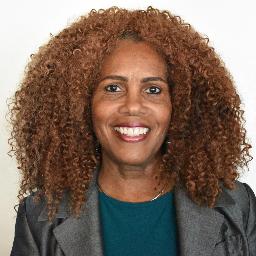
Stacey Sugar
MD, LCPC, LPCCCalifornia
- 14 yrs exp
Stress, Anxiety · Relationship · Family · +10
View ProfileThe therapist listings are provided by BetterHelp and we will earn a commission if you use our link - at no cost to you.
Welcome to our directory of online therapists serving California. All therapists listed here are licensed to practice in California. Browse profiles to explore approaches, credentials, languages and focus areas to find a match for your needs.
California
Stress, Anxiety · Relationship · Family · +10
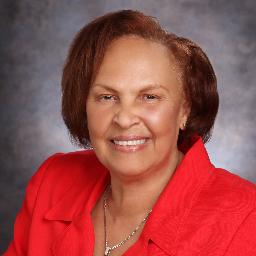
View ProfileCalifornia
Stress, Anxiety · Addictions · Relationship · +2
View ProfileCalifornia
Stress, Anxiety · Addictions · Relationship · +16
View ProfileCalifornia
Stress, Anxiety · Addictions · Relationship · +15
View ProfileCalifornia
Stress, Anxiety · Addictions · Relationship · +11
View ProfileCalifornia
Stress, Anxiety · Addictions · Trauma and abuse · +14
View ProfileCalifornia
Stress, Anxiety · Trauma and abuse · Grief · +13
View ProfileCalifornia
Self esteem · Coping with life changes · Relationship · +3
View ProfileCalifornia
Stress, Anxiety · Relationship · Trauma and abuse · +2
View ProfileCalifornia
Trauma and abuse · Intimacy-related issues · Bipolar · +10
View ProfileCalifornia
Stress, Anxiety · Relationship · Family · +2
View ProfileOnline therapy has become a widely used option for many people who live in California, offering access to licensed mental health professionals across a broad geographic area. Because each therapist listed in this directory holds a California license, you can connect with professionals who are permitted to provide care to residents of the state. Teletherapy options range from video meetings to phone sessions and, in some cases, text-based messaging with a clinician between appointments. State rules shape how telehealth is delivered, including expectations about licensure and record keeping, so practitioners who list teletherapy among their services are expected to follow California regulations for remote care.
For Californians in rural communities or for those balancing work and family responsibilities, online sessions can reduce travel time and offer more flexibility in scheduling. Online therapy also allows you to search for a therapist whose language skills, cultural background, or therapeutic approaches align with your needs even if they are not located in your immediate area. While the technical tools differ from in-person sessions, many of the core components of therapy remain the same, including setting goals, developing coping strategies, and working through relationship and life transitions.
You may find online therapy helpful because it can increase convenience and reduce barriers to getting care. If you live in an area with limited local options, or if commuting across traffic is a concern, meeting with a therapist from your home or workplace can make it easier to attend sessions consistently. Online therapy can also broaden your choices, letting you consider clinicians who list specializations that match your concerns, whether those are parenting challenges, trauma-related symptoms, mood concerns or relationship struggles.
Another benefit is the ability to access therapists who speak the language you prefer or who have experience with particular communities and cultural perspectives. That can matter if you want a therapist who understands the cultural context of your life or who offers therapy in a language other than English. You can also look for therapists who list evidence-informed approaches that appeal to you, such as cognitive behavioral techniques, mindfulness, or family systems work. Using online formats does not change the ethical and legal responsibilities of therapists, so you can expect that clinicians will follow the same professional standards for treatment planning, documentation, and clinical decision making as in-person providers.
Online therapists in California work with a wide range of concerns that individuals, couples and families bring to therapy. You can seek support for mood-related issues such as anxiety or depression, for stress management tied to work or caregiving, or for transitions like divorce, relocation, or becoming a parent. Many therapists also work with relationship difficulties, helping partners improve communication and problem solving. Parents often look for clinicians who list family therapy or parenting support among their approaches to address behavior concerns, attachment questions or blended family dynamics.
Other common areas include grief and loss, trauma-related symptoms, life-stage changes such as midlife reevaluation, and issues related to identity and belonging. If you prefer a particular therapeutic orientation, you can search for therapists who list those approaches among their practices. For example, some clinicians list cognitive behavioral approaches, emotion-focused strategies, psychodynamic perspectives, or somatic-informed work. Keep in mind that listing a modality indicates that a therapist uses that method in practice, not a formal certification. Your choice may be guided by whether an approach resonates with you and whether a therapist describes relevant experience working with concerns like yours.
Verifying a therapist's license is an important step in your search. California has public license lookup tools maintained by the state licensing boards that regulate different types of mental health professionals. You can search by name or license number to confirm that the license is active, that the license is held in California, and whether there is any disciplinary history recorded. The relevant boards include those that oversee marriage and family therapists, clinical social workers, professional clinical counselors and psychologists. Each board's website provides guidance on what the license status entries mean and how to interpret disciplinary actions if any are listed.
When you look up a license, check the exact license type and the date it was issued. You may also find information about the licensee's education, supervised experience requirements and any public enforcement actions. If you have questions about how to read the public record, the licensing board can usually provide assistance. Verifying licensure is not a substitute for asking a therapist about their approach and experience, but it does provide public assurance that the clinician is authorized to practice in California and is subject to state oversight.
Starting online therapy is a step-by-step process that begins with identifying what you want to address in therapy and what kinds of qualities you prefer in a clinician. Once you find profiles that look promising, read the descriptions to learn about a therapist's areas of focus, the approaches they list, the credentials they hold and the languages they speak. You may want to note whether a therapist mentions experience with particular populations or life stages that match your situation. After you have a short list, reach out using the contact information provided on the profile to ask about fees, payment methods, and whether they work with your insurance or offer a sliding scale.
Before your first session, make sure you have a personal, comfortable setting and a reliable internet connection or phone signal. Test your camera, microphone and any video platform you will use so you can focus on the conversation rather than the technology. Think about goals you want to pursue in therapy and be prepared to share a bit about your history and current concerns during the initial meeting. Many therapists will outline how they work, typical session length and frequency, and what to expect from the early weeks of treatment. You can use this information to decide whether the clinician seems like a good fit for your needs and preferences.
Choosing a therapist is a personal decision that involves practical considerations as well as interpersonal fit. Pay attention to whether a clinician's described focus areas match the issues you want to address, and look at the therapeutic approaches they list to see if the style resonates with you. Consider a therapist's credentials and professional background, as well as the languages they speak and any experience they describe with cultural or community-specific concerns. Those factors can influence how well you feel understood and supported in sessions.
Equally important is how you feel during an introductory conversation. You can notice whether the therapist listens attentively, asks thoughtful questions, and explains their approach in a way that makes sense to you. It is reasonable to expect clear information about fees, session length and typical treatment steps. If you have accessibility needs, inquire about accommodations. Over time you will see whether the therapeutic relationship feels collaborative and whether progress toward your goals is being made. If you do not feel a good fit after a few sessions, it is acceptable to seek a different clinician whose style aligns more closely with what you need.
Finding the right online therapist in California may take some time, but using licensure checks, reading detailed profiles, and preparing for your first sessions can help you move forward with confidence. With thoughtful selection and clear communication about goals and preferences, online therapy can be a practical and effective way to access professional support that fits your life.
Addictions
8228 therapists
ADHD
7860 therapists
Anger
10734 therapists
Bipolar
7516 therapists
Chronic Illness
3037 therapists
Chronic Pain
3037 therapists
Compulsion
3580 therapists
Control Issues
6603 therapists
Depression
14356 therapists
Disaster Relief Therapy
3349 therapists
Dissociation
1963 therapists
Domestic Violence
4104 therapists
Eating Disorders
3489 therapists
Gambling
2371 therapists
Grief
11761 therapists
Guilt and Shame
9696 therapists
Impulsivity
5542 therapists
Intimacy Issues
7932 therapists
Isolation / Loneliness
9055 therapists
Midlife Crisis
5633 therapists
Mood Disorders
7588 therapists
Obsession
3580 therapists
OCD
3580 therapists
Panic Disorder and Panic Attacks
6557 therapists
Phobias
2494 therapists
Post-Traumatic Stress
8211 therapists
Postpartum Depression
4106 therapists
Seasonal Affective Disorder (SAD)
4853 therapists
Self Esteem
14207 therapists
Self-Harm
3912 therapists
Sexual Trauma
3793 therapists
Sleeping Disorders
4076 therapists
Social Anxiety and Phobia
8671 therapists
Stress & Anxiety
15752 therapists
Trauma and Abuse
12452 therapists
Abandonment
6061 therapists
Adoption
3369 therapists
Aging and Geriatric Issues
4225 therapists
Attachment Issues
6651 therapists
Blended Family Issues
5635 therapists
Body Image
4545 therapists
Career
9299 therapists
Caregiver Issues and Stress
7550 therapists
Codependency
6271 therapists
Commitment Issues
4863 therapists
Communication Problems
11393 therapists
Compassion Fatigue
8168 therapists
Coping with Life Changes
13417 therapists
Divorce
7611 therapists
Family
14874 therapists
Family of Origin Issues
5467 therapists
Fatherhood Issues
2972 therapists
Fertility Issues
1702 therapists
First Responder Issues
3179 therapists
Forgiveness
9200 therapists
Foster Care
3369 therapists
Hospice and End-of-Life Counseling
3012 therapists
Infidelity
4669 therapists
Jealousy
4269 therapists
Life Purpose
10019 therapists
Money and Financial Issues
3798 therapists
Parenting
12043 therapists
Pregnancy
3266 therapists
Relationship
14028 therapists
Self-Love
10112 therapists
Separation
7611 therapists
Sexuality
3317 therapists
Workplace Issues
7267 therapists