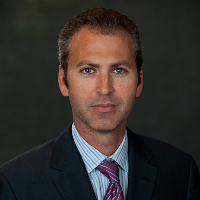
Alexander "Alex" Dannin
Practical, person-focused therapy for life changes
- Credentials
- LMFT
- Experience
- 10 years
- Licensed in
- California
- Languages
- English
- Format
- Online sessions
About Alexander
Alexander "Alex" Dannin uses a practical, person-focused approach to help people make meaningful changes. He combines Client-Centered Therapy, Cognitive Behavioral Therapy (CBT), and Solution-Focused Therapy to guide people toward clearer thinking and healthier habits. Alex presents ideas plainly and works to make next steps feel manageable.
He is Alexander "Alex" Dannin, LMFT, practicing in California. Alex believes emotions are signals that point to what a person values or needs. He helps identify the beliefs and habits that keep someone stuck.
Background and approach
Sessions focus on clarifying thoughts, testing small changes, and building new ways of coping. This includes learning how to handle stress, anxiety, anger, and shifts in life roles. He draws on CBT to challenge unhelpful thinking and on solution-focused methods to set short-term goals.
Client-centered techniques are used to listen closely and shape the work around each person’s experience. The result is a mix of practical tools and reflective conversation. Alex has worked in mental health for 10 years and holds a license as a Marriage and Family Therapist, LMFT.
He talks plainly about finances, work, relationships, and identity so changes feel useful in daily life. Many people appreciate clear suggestions and concrete steps rather than long theory. Sessions are offered in English and Alex accepts international clients.
He structures work to fit each person’s pace and priorities, helping them move from stuck to steady action over time.
Therapeutic tools for online progress
Client-Centered Therapy focuses on listening and creating a nonjudgmental environment where a person’s concerns come first. It helps when someone needs to feel heard and to sort out what matters most in their life. Cognitive Behavioral Therapy, or CBT, looks at how thoughts affect feelings and actions and then practices new ways of thinking and behaving to reduce stress and anxiety. Solution-Focused Therapy zeroes in on small, concrete steps and short-term goals to create visible progress quickly.Choosing the right approach is part of the work together. The therapist will help identify which methods fit a person’s goals and comfort level, and adjust strategies as progress is made. This is a collaborative process rather than a fixed prescription.
Online therapy allows the same tools to be used from wherever a person is located. Video calls let for face-to-face conversation, phone sessions offer simplicity, and live chat or text-based messaging provide flexible, ongoing support between longer conversations. These options make scheduling easier and let people keep making changes without major disruptions to daily life.
Client-Centered Therapy
The direction comes from you rather than from a set programme. The therapist offers a warm, non-judgemental space to think out loud and work at your own pace. Online, this rests on the relationship rather than on being in the same room.
Cognitive Behavioral Therapy (CBT)
CBT looks at the link between what you think, how you feel, and what you do. You work on noticing unhelpful patterns and practising steadier responses. It suits online sessions well, because much of the work happens between appointments and can be talked through from anywhere.
Solution-Focused Therapy
Rather than examining the problem at length, this looks at what is already working and builds on it. Sessions tend to be practical and forward-looking, with small achievable steps, which translates readily to shorter online conversations.
Frequently asked questions
What kinds of problems does this therapist address?
What therapeutic style can I expect?
How long has he been practicing?
What are his credentials and where is he located?
Can I work with him if I live outside the United States?
In what formats are sessions offered?
How much does therapy cost?
What do I do to start therapy?
Specialties and expertise
Top specialties
- Relationship issues
- Self esteem
- Career difficulties
Also works with
Therapeutic approaches
- Experience
- 10 years
- Licensed
- California
- Languages
- English
Next step
Talk to Alexander
- Takes a few minutes
- Nothing to set up just to look
- Stop at any point