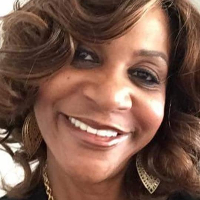
Velma Jones
LCSWNew York
- 29 yrs exp
Stress, Anxiety · Relationship · Trauma and abuse · +11
View ProfileThe therapist listings are provided by BetterHelp and we will earn a commission if you use our link - at no cost to you.
On this page you will find therapists who list self-love among their specialties, with profiles that describe approaches, credentials, languages, and focus areas. Browse the listings below to review practitioner descriptions and discover who might match your needs.
New York
Stress, Anxiety · Relationship · Trauma and abuse · +11
View ProfileTexas
Stress, Anxiety · LGBT · Relationship · +17
View ProfileColorado
Stress, Anxiety · Relationship · Trauma and abuse · +13
View ProfileCalifornia
Stress, Anxiety · Relationship · Family · +10
View ProfileKansas
Stress, Anxiety · Relationship · Intimacy-related issues · +14
View ProfileFlorida
Relationship · Trauma and abuse · Grief · +13
View ProfileMaryland
Stress, Anxiety · Trauma and abuse · Self esteem · +11
View ProfileNew York
Stress, Anxiety · Addictions · Trauma and abuse · +12
View ProfilePennsylvania
Stress, Anxiety · Relationship · Self esteem · +12
View ProfileMissouri
Stress, Anxiety · Trauma and abuse · Self esteem · +13
View ProfileNorth Carolina
Stress, Anxiety · Relationship · Family · +17
View ProfileSelf-love is often described as the combination of self-acceptance, self-respect, and the behaviors that support your wellbeing. It is not about vanity or self-indulgence; it is about treating yourself with the same care and consideration you might offer a friend. When you have a stronger sense of self-love you tend to make choices that align with your values, speak up for your needs, and practice gentler self-talk when things go wrong. Conversely, struggles with self-love can show up as persistent self-criticism, harsh internal dialogue, and patterns of prioritizing others at the expense of your own needs.
The way self-love - or its absence - affects daily life can be subtle or obvious. It can influence relationships, career decisions, and how you respond to setbacks. People who struggle in this area often experience difficulties setting and maintaining boundaries, chronic guilt about putting themselves first, or a tendency to equate self-worth with achievement and approval. Understanding self-love as a skill you can develop helps reframe these struggles as opportunities for change rather than fixed flaws.
You might consider seeking support when patterns of harsh self-judgment, shame, or avoidance interfere with the life you want to lead. If you frequently silence your own needs to please others, feel unable to accept compliments, or notice that a strong inner critic undermines your confidence, these are common indicators that focused work on self-love could be helpful. Similarly, if you find yourself sabotaging relationships, postponing goals because you doubt your abilities, or struggling with chronic low mood tied to negative self-beliefs, therapy can offer a space to explore and shift those patterns.
It is also common for people to seek help after a life transition - such as a breakup, career change, loss, or becoming a parent - when previously tolerated patterns no longer serve you. Therapy can help you reconnect with personal values, learn practical skills for self-care, and reduce the intensity of self-critical thoughts. Importantly, choosing therapy for self-love is not a sign of weakness; it is a proactive step toward learning more adaptive ways of relating to yourself and others.
During initial sessions you and the therapist typically explore why you sought help, your personal history, and the patterns you want to change. The process begins with listening and assessment, followed by collaboratively defining goals that reflect what you want to experience more of in your life - for example, greater self-kindness, clearer boundaries, or improved emotional regulation. You can expect a discussion about how past experiences, relationships, and learned beliefs may have shaped your sense of self, and a plan that outlines steps toward change.
Ongoing sessions often mix reflective conversation with practical skill-building. Therapists who work in this specialty may invite you to notice and reframe negative self-talk, practice compassion exercises, try behavioral experiments that test new ways of acting, and use journaling to uncover recurring themes. Homework is commonly suggested to help you practice skills between sessions, such as small actions that affirm your preferences or experiments in setting boundaries. Over time these repeated practices aim to shift patterns from automatic self-criticism to more balanced and supportive self-relating.
Different practitioners bring varied orientations and techniques to work on self-love. Therapists who list cognitive behavioral therapy among their approaches often focus on identifying negative thoughts and testing them against evidence, which can reduce the power of a critical inner voice. Those who list compassion-focused approaches emphasize cultivating a kinder internal attitude through exercises that strengthen empathy for yourself and reduce shame-related responses. Acceptance and commitment oriented therapists may help you clarify core values and take committed actions that reflect those values even when self-doubt arises.
Other approaches you might encounter include narrative-oriented work that explores the stories you tell about yourself and how they might be rewritten in more empowering ways, mindfulness-based practices to increase present-moment awareness and reduce reactivity, and psychodynamic or relational approaches that examine how early relationships shaped internalized messages about worth. Keep in mind that therapists often integrate elements from several approaches, and profiles generally indicate which schools of thought they draw from rather than documenting formal endorsements.
Online therapy can make it easier to find a practitioner whose approach and background align with your needs, particularly if local options are limited. Sessions commonly take place by video, phone, or text-based messaging, allowing you to engage from a setting that is comfortable and familiar. The online format can be especially useful for practicing new behaviors in real-life contexts, since you can arrange calls around moments when you are reflecting on recent interactions or practicing boundary-setting. Communication tools also often allow you to share written reflections with your therapist between sessions to deepen the work.
When reviewing profiles, focus on the therapist's stated focus areas, the approaches they list, the professional credentials they hold, and the languages they offer. Look for language that resonates with your goals - for example, mentions of self-compassion, shame resilience, boundary work, or values-based change. Consider how their described experience aligns with your background and cultural context. It can help to note whether they mention working with specific life stages or identities that match yours. Practical logistics such as session length, fees, and whether they accept certain payment methods are relevant, but pay close attention to the therapist's description of how they work and what a typical session feels like.
When you contact a therapist, you might ask how they approach self-criticism or the development of self-compassion, what kind of exercises they typically use between sessions, and how they measure progress toward the goals you set together. Trust your sense of connection - a good fit usually includes clear communication, a respectful tone, and a shared understanding of your aims. Over time you can gauge whether the therapeutic approach feels helpful, and if not, use the information in profiles to explore other practitioners whose style may better suit you.
Beginning work on self-love often involves small, consistent steps rather than a single transformative moment. Early actions can include practicing brief self-compassion phrases when you notice harsh self-talk, scheduling small acts of care that align with your values, and experimenting with saying no in low-stakes situations to strengthen your boundary muscle. Therapy provides a guided environment to test these changes, reflect on their effects, and refine strategies that fit your life. As you practice, you may notice increased clarity about what matters to you, a reduction in automatic self-criticism, and a growing ability to respond to setbacks with curiosity rather than blame.
Remember that seeking help for self-love is a personal decision and different pathways work for different people. Using the listings on this page to compare approaches, languages, and the ways therapists describe their work will help you identify promising matches. Whether you are looking to quiet an inner critic, reclaim your needs, or strengthen emotional resilience, thoughtful therapeutic support can help you cultivate a kinder, more authentic relationship with yourself over time.
Alabama
259 therapists
Alaska
30 therapists
Arizona
206 therapists
Arkansas
125 therapists
California
1521 therapists
Colorado
368 therapists
Connecticut
172 therapists
Delaware
52 therapists
District of Columbia
52 therapists
Florida
1786 therapists
Georgia
664 therapists
Hawaii
71 therapists
Idaho
106 therapists
Illinois
604 therapists
Indiana
301 therapists
Iowa
83 therapists
Kansas
123 therapists
Kentucky
190 therapists
Louisiana
373 therapists
Maine
72 therapists
Maryland
267 therapists
Massachusetts
242 therapists
Michigan
633 therapists
Minnesota
227 therapists
Mississippi
193 therapists
Missouri
462 therapists
Montana
92 therapists
Nebraska
94 therapists
Nevada
84 therapists
New Hampshire
46 therapists
New Jersey
419 therapists
New Mexico
96 therapists
New York
889 therapists
North Carolina
738 therapists
North Dakota
14 therapists
Ohio
425 therapists
Oklahoma
291 therapists
Oregon
129 therapists
Pennsylvania
603 therapists
Rhode Island
35 therapists
South Carolina
339 therapists
South Dakota
33 therapists
Tennessee
288 therapists
Texas
1770 therapists
Utah
150 therapists
Vermont
34 therapists
Virginia
355 therapists
Washington
224 therapists
West Virginia
52 therapists
Wisconsin
277 therapists
Wyoming
44 therapists