Family and Parenting Therapists in North Carolina
Welcome to Putting Family First’s directory of online therapists serving North Carolina. All therapists listed here are licensed in their fields; explore profiles to find counselors who match your needs. Use the information below to learn how online therapy works in North Carolina and how to choose the right provider for your situation.






Stephen Richardson
LCSW, LISW-CPNorth Carolina
- 10 yrs exp
Stress, Anxiety · Relationship · Family · +17
View Profile

Dr. Shelia Williamson Collins
LPC, LCPCNorth Carolina
- 18 yrs exp
Stress, Anxiety · Addictions · Trauma and abuse · +14
View Profile
Jamesetter Credell
LCMHCNorth Carolina
- 15 yrs exp
Stress, Anxiety · Relationship · Anger · +13
View Profile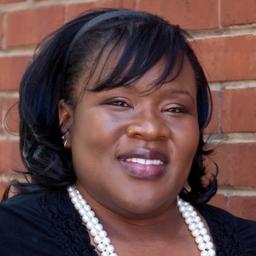
Pamela Harris-Jones
LCMHCNorth Carolina
- 11 yrs exp
Stress, Anxiety · Addictions · Family · +11
View Profile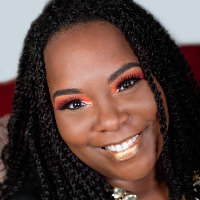



Dr. James Hunter Jr
LCMHCNorth Carolina
- 19 yrs exp
Stress, Anxiety · Depression · Relationship · +10
View Profile
Theresa Shultz
LCSWNorth Carolina
- 16 yrs exp
Stress, Anxiety · Addictions · Trauma and abuse · +14
View Profile
Paul Jones
LCSWNorth Carolina
- 8 yrs exp
Stress, Anxiety · Trauma and abuse · Parenting · +9
View Profile
Saundra Burleson
LCMHCNorth Carolina
- 13 yrs exp
Stress, Anxiety · Addictions · Intimacy-related issues · +11
View Profile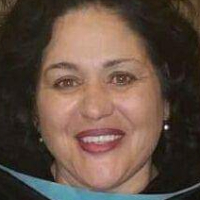
Donna Cummings
LPC, LCMHCNorth Carolina
- 20 yrs exp
Stress, Anxiety · Parenting · Self esteem · +16
View Profile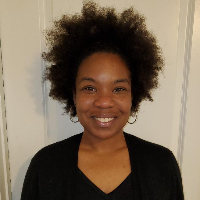



Amy Penley
LMFTNorth Carolina
- 10 yrs exp
Stress, Anxiety · Relationship · Trauma and abuse · +12
View Profile
Tiffany Herrera
LCMHCNorth Carolina
- 6 yrs exp
Stress, Anxiety · Relationship · Parenting · +8
View Profile
Pamela Peoples
LCSWNorth Carolina
- 16 yrs exp
Stress, Anxiety · Self esteem · Depression · +10
View Profile

Mary Kallenbach
LCMHCNorth Carolina
- 23 yrs exp
Stress, Anxiety · Relationship · Trauma and abuse · +13
View Profile
Monica Farrer
LCMHCNorth Carolina
- 11 yrs exp
Stress, Anxiety · Addictions · Relationship · +13
View Profile

Loretta Tillman
LPC, LCPCNorth Carolina
- 20 yrs exp
Stress, Anxiety · Anger · Self esteem · +10
View Profile





Joyce Washington
LMFTNorth Carolina
- 14 yrs exp
Relationship · Trauma and abuse · Intimacy-related issues · +6
View Profile
Lori Duhart
LCMHCNorth Carolina
- 15 yrs exp
Stress, Anxiety · Relationship · Self esteem · +11
View Profile

Elizabeth Wilson
LCMHCNorth Carolina
- 18 yrs exp
Stress, Anxiety · Addictions · Family · +11
View Profile



Carol Kennerly
LCMHCNorth Carolina
- 11 yrs exp
Stress, Anxiety · Relationship · Trauma and abuse · +16
View Profile

Miriam Reeves
LCSW, LISW-CPNorth Carolina
- 13 yrs exp
Stress, Anxiety · Addictions · Grief · +12
View ProfileOverview of online therapy availability in North Carolina
What online therapy looks like in the state
If you are considering online therapy in North Carolina, you are joining many people who use digital sessions to access mental health support from home or another comfortable environment. Providers who offer remote care may use video, phone, or text-based messaging to communicate with you. The range of professionals includes licensed professional counselors, licensed clinical social workers, licensed psychologists, and licensed marriage and family therapists. Each professional brings different approaches and experience, and on this site you can compare those factors when reviewing profiles.
Regulatory context and cross-state practice
North Carolina has regulatory rules that govern how mental health professionals may practice online. If you live in the state, looking for a therapist who is licensed in North Carolina simplifies compliance with those rules. If you live elsewhere and are searching for someone who provides services remotely to North Carolina residents, make sure the clinician notes that they work with clients in your state. Licensing and practice rules can affect how services are delivered and what documentation is required, so understanding the regulatory landscape helps you make an informed choice.
Benefits of online therapy for North Carolina residents
Practical advantages
Online therapy can fit into a busy life in ways that traditional office visits sometimes cannot. If you live in a rural area of North Carolina or have limited transportation options, remote sessions reduce travel time and make consistent care more feasible. You can join a session from home, your workplace, or another comfortable environment, which can make it easier to balance family, work, and other responsibilities. The ability to meet from different locations also helps you maintain continuity of care when travel or relocation occurs.
Accessibility and choice
Choosing online therapy opens up a wider selection of clinicians than you might find nearby. You can look for a therapist who works with specific populations, speaks your preferred language, or lists specialized approaches that align with how you like to work. Some people find it easier to connect with a clinician who shares cultural background or life experience when geography is not a limiting factor. Online care can reduce wait times to begin treatment by increasing the pool of potential matches.
Common issues online therapists in North Carolina address
Emotional and relationship concerns
Therapists offering online services in North Carolina frequently work with people experiencing anxiety, low mood, stress related to work or school, and relationship challenges. Couples and family-focused clinicians may help you work through communication patterns, parenting stress, or life transitions. Many profiles will indicate the clinician's focus areas so you can find someone whose practice aligns with your needs.
Life events, trauma, and adjustment
People often seek remote therapy for help coping with grief, trauma, major life changes, and chronic health concerns. If you have experienced a recent loss, are navigating a diagnosis, or are adjusting to a new stage of life, online sessions can provide ongoing support. Some therapists list specific approaches among their methods - for example, therapists who list EMDR among their approaches - but a listed approach does not, on its own, indicate a particular level of training. Use listed approaches as a starting point for conversations when you contact a clinician.
How to verify a therapist's license in North Carolina
Finding and interpreting license information
When you review therapist profiles, you should look for clear license information. Typical professional credentials include titles such as licensed professional counselor, licensed clinical social worker, licensed psychologist, and licensed marriage and family therapist. A profile that lists a license number and issuing board makes it easier for you to confirm details independently. You can use the North Carolina licensing board websites to search by name or license number and check status, expiration date, and any public disciplinary history. These official lookups are a reliable way to verify that a clinician is legally authorized to practice in the state.
Other checks that matter
In addition to board verification, consider reviewing a clinician's educational background and stated areas of experience. Many therapists include biographical information and descriptions of who they typically work with. If you work with a clinician whose work involves specialized populations, languages, or life stages, that information can help you determine whether they are a good fit. It is reasonable to ask a therapist directly about their experience with issues similar to yours and to request clarifying information about their approach to care.
How to get started with an online therapist and tips for choosing the right one
Initial steps to begin online therapy
Begin by outlining what you hope to address in therapy and what matters most to you in a clinician - for example, experience with family dynamics, a particular therapeutic approach, or shared cultural background. Use directory filters to narrow your search by credentials, approaches, languages, and focus areas. When you find potential matches, read profiles carefully for license details and practice descriptions. Reach out to clinicians with brief questions about their approach, communication style, and whether they have experience working with concerns like yours. A short conversation can give you a sense of whether their style aligns with what you want.
Practical considerations and session preparation
Before your first session, confirm the technological requirements the clinician uses, such as video conferencing or phone. Make sure you have a reliable internet connection or device that supports the chosen format. Plan to be in a location where you can speak openly without interruptions, and consider how to create a comfortable environment for yourself during sessions. Ask about documentation you may be asked to complete, including informed consent, privacy and privacy protection measures, fee structure, and policies for cancellations or paperwork. Knowing these details ahead of time helps you focus on the therapeutic work once sessions begin.
Choosing the right therapist for you
Selecting a therapist is a personal decision. Think about whether you prefer someone who takes a direct, skills-based approach or a clinician who emphasizes exploration and insight. Compare the ways clinicians describe their work and the kinds of issues they commonly support. Look at language options if communicating in your preferred language is important. Consider the clinician's years of experience and populations they list, and weigh how comfortable you feel with their tone and how they present themselves. It is normal to try more than one therapist before finding a strong match; your comfort and the fit of therapeutic approach are key elements that influence whether therapy will feel helpful.
Making the most of online therapy in North Carolina
Ongoing engagement and realistic expectations
Once you begin working with a therapist, set clear goals and revisit them as you progress. Talk with your clinician about how you will measure progress and what success looks like for you. Some people track symptoms or life changes, while others focus on improved coping skills or relationship shifts. Regularly discuss what is and is not working in therapy so adjustments can be made. If you encounter technical issues or scheduling challenges, raise them promptly so you and your clinician can find practical solutions.
When to seek additional support
Online therapy can be an effective way to address many emotional and relational concerns, but there may be times when you need coordination with other services. If your clinician suggests additional medical, psychiatric, or community resources, they can help you identify local options in North Carolina. You should feel empowered to ask questions and request referrals to other providers or supports as part of a comprehensive plan for your well-being.
Choosing an online therapist is a meaningful decision. By verifying licensure, clarifying your goals, and selecting someone whose experience and approach align with your needs, you can find a therapeutic relationship that supports your personal and family priorities. Use the profiles in our directory to compare credentials, approaches, languages, and experience, and reach out to clinicians whose descriptions resonate with you to take the next step.
Browse Specialties in North Carolina
Mental Health Conditions (35 have therapists)
Addictions
8228 therapists
ADHD
7860 therapists
Anger
10734 therapists
Bipolar
7516 therapists
Chronic Illness
3037 therapists
Chronic Pain
3037 therapists
Compulsion
3580 therapists
Control Issues
6603 therapists
Depression
14356 therapists
Disaster Relief Therapy
3349 therapists
Dissociation
1963 therapists
Domestic Violence
4104 therapists
Eating Disorders
3489 therapists
Gambling
2371 therapists
Grief
11761 therapists
Guilt and Shame
9696 therapists
Impulsivity
5542 therapists
Intimacy Issues
7932 therapists
Isolation / Loneliness
9055 therapists
Midlife Crisis
5633 therapists
Mood Disorders
7588 therapists
Obsession
3580 therapists
OCD
3580 therapists
Panic Disorder and Panic Attacks
6557 therapists
Phobias
2494 therapists
Post-Traumatic Stress
8211 therapists
Postpartum Depression
4106 therapists
Seasonal Affective Disorder (SAD)
4853 therapists
Self Esteem
14207 therapists
Self-Harm
3912 therapists
Sexual Trauma
3793 therapists
Sleeping Disorders
4076 therapists
Social Anxiety and Phobia
8671 therapists
Stress & Anxiety
15752 therapists
Trauma and Abuse
12452 therapists
Life & Relationships (33 have therapists)
Abandonment
6061 therapists
Adoption
3369 therapists
Aging and Geriatric Issues
4225 therapists
Attachment Issues
6651 therapists
Blended Family Issues
5635 therapists
Body Image
4545 therapists
Career
9299 therapists
Caregiver Issues and Stress
7550 therapists
Codependency
6271 therapists
Commitment Issues
4863 therapists
Communication Problems
11393 therapists
Compassion Fatigue
8168 therapists
Coping with Life Changes
13417 therapists
Divorce
7611 therapists
Family
14874 therapists
Family of Origin Issues
5467 therapists
Fatherhood Issues
2972 therapists
Fertility Issues
1702 therapists
First Responder Issues
3179 therapists
Forgiveness
9200 therapists
Foster Care
3369 therapists
Hospice and End-of-Life Counseling
3012 therapists
Infidelity
4669 therapists
Jealousy
4269 therapists
Life Purpose
10019 therapists
Money and Financial Issues
3798 therapists
Parenting
12043 therapists
Pregnancy
3266 therapists
Relationship
14028 therapists
Self-Love
10112 therapists
Separation
7611 therapists
Sexuality
3317 therapists
Workplace Issues
7267 therapists