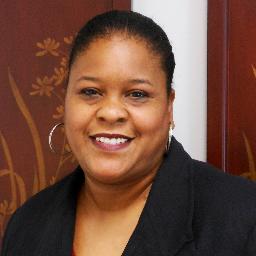
Lori Duhart
Compassionate counselor blending faith and practical therapy
- Credentials
- LCMHC
- Experience
- 15 years
- Licensed in
- North Carolina
- Languages
- English
- Format
- Online sessions
About Lori
Lori Duhart is a licensed clinical mental health counselor (LCMHC) in North Carolina with 15 years of experience. She provides a warm, interactive style that aims to make conversations easier for people feeling overwhelmed. Her tone is respectful and compassionate, and she avoids stigmatizing labels when talking about struggles.
Lori blends practical talk therapy with cognitive-behavioral techniques and a client-centered stance. She draws on personal faith and life principles when requested, and adapts sessions to fit each person’s needs.
Background and approach
Sessions focus on clear goals and steps that feel doable in daily life. She supports people facing stress, anxiety, depression, and issues around self-esteem. She also works with concerns involving trauma and abuse, addictions, anger, and intimacy-related problems.
Parenting challenges and family tensions are included among the topics she addresses. Lori also helps with life transitions such as divorce and separation, career shifts, and coping with isolation or emptiness. Communication problems, forgiveness, and finding life purpose are areas she often talks through.
Her work includes practical tools for handling compassion fatigue and burnout. When someone is ready to begin, Lori emphasizes partnership in planning care. She helps set goals, reviews progress, and adjusts strategies as needed.
The overall focus is on realistic steps toward a more balanced, satisfying life.
Approaches and online options for practical change
Client-Centered Therapy focuses on listening and understanding where the client is coming from. The therapist offers empathy and acceptance while helping the person clarify what they want to change. This approach is useful for building trust and exploring personal values. Cognitive Behavioral Therapy, or CBT, looks at the links between thoughts, feelings, and actions. It uses clear, practical tools to spot unhelpful thinking and try different behaviors. CBT can help with anxiety, depression, and stress by teaching specific skills to use between sessions. Solution-Focused Therapy centers on immediate goals and small concrete steps. It helps people identify what’s already working and build on those strengths. This can be especially helpful for problem-solving around parenting, relationship strain, or life transitions. Finding the right approach is part of the work. The therapist will talk with clients about goals, preferences, and what feels most useful. Together they choose and adjust methods so the plan matches real life and personal beliefs. Online therapy offers flexibility through video calls, phone sessions, live chat, and text messaging. These options let people fit sessions around work, family, and travel. The variety of formats also supports ongoing contact between meetings and makes it easier to keep progress moving forward.Client-Centered Therapy
The direction comes from you rather than from a set programme. The therapist offers a warm, non-judgemental space to think out loud and work at your own pace. Online, this rests on the relationship rather than on being in the same room.
Cognitive Behavioral Therapy (CBT)
CBT looks at the link between what you think, how you feel, and what you do. You work on noticing unhelpful patterns and practising steadier responses. It suits online sessions well, because much of the work happens between appointments and can be talked through from anywhere.
Solution-Focused Therapy
Rather than examining the problem at length, this looks at what is already working and builds on it. Sessions tend to be practical and forward-looking, with small achievable steps, which translates readily to shorter online conversations.
Frequently asked questions
What kinds of problems does Lori address?
How would you describe her therapy style?
What is her background and experience?
Where is she licensed to practice and what are her credentials?
In which languages are sessions offered?
What session formats are available?
How are fees and payment handled?
How do I begin working with her?
Specialties and expertise
Top specialties
- Stress, Anxiety
- Relationship issues
- Self esteem
Also works with
- Addictions
- Anger management
- Career difficulties
- Coaching
- Communication problems
- Compassion fatigue
- Coping with life changes
- Depression
- Divorce and separation
- Emptiness
- Family conflicts
- Forgiveness
- Intimacy-related issues
- Isolation / loneliness
- Life purpose
- Parenting issues
- Self-love
- Trauma and abuse
Therapeutic approaches
- Experience
- 15 years
- Licensed
- North Carolina
- Languages
- English
Next step
Talk to Lori
- Takes a few minutes
- Nothing to set up just to look
- Stop at any point