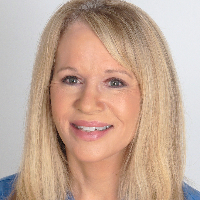
Velma Jones
LCSWNew York
- 29 yrs exp
Stress, Anxiety · Relationship · Trauma and abuse · +11
View ProfileThe therapist listings are provided by BetterHelp and we will earn a commission if you use our link - at no cost to you.
This page lists therapists who focus on intimacy issues and related relationship concerns. Browse the therapist profiles below to compare approaches, credentials, languages and experience.
New York
Stress, Anxiety · Relationship · Trauma and abuse · +11
View ProfileTexas
Stress, Anxiety · LGBT · Relationship · +17
View ProfileColorado
Stress, Anxiety · Relationship · Trauma and abuse · +13
View ProfileCalifornia
Stress, Anxiety · Relationship · Family · +10
View ProfileKansas
Stress, Anxiety · Relationship · Intimacy-related issues · +14
View ProfileFlorida
Relationship · Trauma and abuse · Grief · +13
View ProfileMassachusetts
Stress, Anxiety · Addictions · Relationship · +10
View ProfilePennsylvania
Stress, Anxiety · Relationship · Self esteem · +12
View ProfileMissouri
Stress, Anxiety · Trauma and abuse · Self esteem · +13
View ProfileNorth Carolina
Stress, Anxiety · Relationship · Family · +17
View ProfileIntimacy issues can show up in many forms - difficulty trusting a partner, avoidance of closeness, mismatched sexual desire, trouble sharing emotions, or anxiety about vulnerability. These challenges do not always mean there is something fundamentally wrong with the relationship. Often they reflect patterns that developed over time, life transitions, past hurts, stress, or communication gaps. When you struggle with intimacy, everyday interactions with your partner can feel strained, conversations may avoid deeper topics, and physical or emotional closeness can trigger discomfort rather than comfort.
You may notice that the way you relate to partners repeats across relationships, suggesting a pattern shaped by earlier experiences. Alternatively, intimacy concerns can be specific to one relationship and tied to recent events such as illness, parenting shifts, job changes, or grief. Understanding the multiple ways intimacy is expressed - emotional closeness, physical touch, sexual connection, and mutual support - can help you identify which area is most affected and where to focus attention.
If you frequently avoid conversations about your feelings, withdraw after disagreements, or feel numb during moments that should feel connecting, these are common signals that intimacy is strained. You might find yourself criticizing your partner or becoming overly defensive. Some people experience persistent doubts about their capacity to be close, while others feel overwhelmed by the intensity of intimacy and create distance as a result. If sexual desire has shifted significantly - whether increased anxiety or a drop in interest - and it causes distress, that can also point to underlying intimacy concerns.
You should consider seeking support when intimacy issues start to affect your sense of wellbeing, your ability to maintain the relationship, or your general happiness. Trouble sleeping because of relationship worries, frequent arguments that repeat the same themes, or avoidance of shared activities can all be signs that deeper work may help. Therapy is appropriate whether you want to repair a long-term relationship, grow a new partnership, or understand recurring patterns across relationships.
In early sessions you and the therapist will typically explore what intimacy means to you and what outcomes you hope to achieve. This might include improving communication, rebuilding trust, addressing sexual concerns, or learning to tolerate vulnerability. Your therapist will ask about relational history, important life events, and patterns you notice in yourself and in partnerships. These conversations set a framework for the work ahead and help identify specific areas to address.
Therapy often blends discussion with practical exercises you can try between sessions. You may practice new ways of talking about needs and boundaries, experiment with expressing emotion more directly, or work through triggers that lead to withdrawal or escalation. If you attend with a partner, sessions can include guided conversations where the therapist helps you slow down and notice patterns as they happen. Progress tends to come from both in-session insight and diligent practice of new habits in daily life.
Many therapists who work with intimacy concerns emphasize the role of emotion and attachment history. You may encounter therapists who list emotionally focused approaches or attachment-informed perspectives among their methods. These approaches help you identify emotional needs, understand how you respond to closeness, and create new interaction patterns that promote connection. Exploring attachment can clarify why certain situations trigger intense reactions and how to move toward healthier responses.
Other practitioners who list cognitive behavioral or relational approaches focus on the thoughts and behaviors that maintain distance or conflict. This kind of work can be helpful for restructuring unhelpful beliefs about relationships, practicing communication skills, and creating predictable routines that foster trust. For sexual concerns, some therapists list sex-focused approaches that include education about arousal and desire, communication exercises about preferences, and structured interventions aimed at rebuilding physical intimacy. When assessing approaches, note how each one aligns with the changes you want to make.
You may also find therapists who list somatic, mindfulness, or expressive techniques among their approaches. These tools can help you get more attuned to your body’s responses, manage anxiety that arises during intimacy, and develop greater presence with a partner. Some therapists list trauma-informed language in their profiles; if you have a history of trauma that affects closeness, exploring therapists who list trauma-sensitive approaches may be relevant. Remember that a therapist listing an approach does not guarantee specific training, so look for descriptions that fit your needs.
Online therapy allows you to meet with a therapist by video or sometimes by phone, which can make it easier to access clinicians with particular expertise or language skills. If you choose couples therapy online, you and your partner may join the same video session or attend separate sessions at times to explore individual patterns. Online sessions often follow the same structure as in-person work - a mix of dialogue, experiential exercises, and homework - though some therapists may adapt interventions to the virtual format.
When you plan online sessions, consider where you will be during meetings. Choose a place where you feel comfortable and able to speak openly - a calm room at home, a car during a break, or another setting that offers you privacy. Check the technical basics such as a reliable internet connection, a charged device, and headphones if you prefer to reduce background noise. Discuss with the therapist how to handle interruptions and what to do if a session is disrupted for any reason.
When you review profiles, pay attention to how therapists describe their approach to intimacy and relationships. Some will emphasize emotional processing and attachment, while others highlight behavior change or sexual health. Notice the language they use about goals, the populations they often work with, and whether they mention working with couples, individuals, or both. Think about which framing feels most relevant to your concerns and which tone would help you feel understood and motivated to engage.
Compare therapists by credentials, years of experience, languages spoken, and focus areas listed in their profiles. If cultural background, gender, or lived experience matters to you, look for descriptions that reflect those priorities. If you have concerns related to trauma, relationship transitions, parenting, or specific sexual health topics, identify therapists who explicitly mention working with those issues. Keep in mind that profiles indicate what a therapist lists - reading how they describe their work can give you a sense of fit more than any single label.
Before you begin, reflect on your goals and the patterns you want to change. Bring examples of moments that felt difficult and be prepared to explore both your individual history and current relational dynamics. Effective work often requires patience and repeated practice, so think about what commitment looks like for you in terms of time and effort. If you are comparing therapists, focus on how they communicate about process and outcomes rather than on quantitative claims.
Therapy for intimacy issues can guide you toward clearer communication, more consistent emotional access, and a renewed sense of partnership. Whether you pursue individual work, couples sessions, or a blend of both, finding a therapist whose approach matches your needs is a practical first step. Use the listings below to explore different profiles, read descriptions of approaches, and identify clinicians whose perspectives resonate with the changes you want to make.
Alabama
259 therapists
Alaska
30 therapists
Arizona
206 therapists
Arkansas
125 therapists
California
1521 therapists
Colorado
368 therapists
Connecticut
172 therapists
Delaware
52 therapists
District of Columbia
52 therapists
Florida
1786 therapists
Georgia
664 therapists
Hawaii
71 therapists
Idaho
106 therapists
Illinois
604 therapists
Indiana
301 therapists
Iowa
83 therapists
Kansas
123 therapists
Kentucky
190 therapists
Louisiana
373 therapists
Maine
72 therapists
Maryland
267 therapists
Massachusetts
242 therapists
Michigan
633 therapists
Minnesota
227 therapists
Mississippi
193 therapists
Missouri
462 therapists
Montana
92 therapists
Nebraska
94 therapists
Nevada
84 therapists
New Hampshire
46 therapists
New Jersey
419 therapists
New Mexico
96 therapists
New York
889 therapists
North Carolina
738 therapists
North Dakota
14 therapists
Ohio
425 therapists
Oklahoma
291 therapists
Oregon
129 therapists
Pennsylvania
603 therapists
Rhode Island
35 therapists
South Carolina
339 therapists
South Dakota
33 therapists
Tennessee
288 therapists
Texas
1770 therapists
Utah
150 therapists
Vermont
34 therapists
Virginia
355 therapists
Washington
224 therapists
West Virginia
52 therapists
Wisconsin
277 therapists
Wyoming
44 therapists