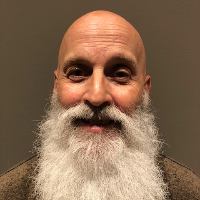
Betina Bolin
LCSWMissouri
- 16 yrs exp
Stress, Anxiety · Trauma and abuse · Self esteem · +13
View ProfileThe therapist listings are provided by BetterHelp and we will earn a commission if you use our link - at no cost to you.
Welcome to our directory of online therapists serving Missouri. All therapists listed here are licensed in their fields. Browse profiles to explore specialties, approaches and languages and find a helpful fit.
Missouri
Stress, Anxiety · Trauma and abuse · Self esteem · +13
View ProfileMissouri
Stress, Anxiety · Addictions · Relationship · +10
View ProfileMissouri
Stress, Anxiety · Addictions · Relationship · +13
View ProfileMissouri
Stress, Anxiety · Relationship · Trauma and abuse · +12
View ProfileIf you are exploring online therapy in Missouri, you will find a range of clinicians offering remote care from urban centers to rural communities. Online sessions can take place through video, phone or messaging formats, and many therapists present their practice descriptions, approaches and professional credentials in online profiles. Because regulatory requirements vary by state, clinicians who provide services to Missouri residents typically indicate whether they are licensed to practice in Missouri. When you compare profiles, notice the types of clinicians listed - such as counselors, social workers, marriage and family therapists and psychologists - and any languages they list. That initial overview helps you narrow search results to practitioners who describe a focus that matches your needs, whether you are looking for help with family issues, anxiety, grief or life transitions.
Online therapy can reduce the time and travel required to attend sessions, which is especially helpful in parts of Missouri where in-person options may be limited. You can connect from home, a parked car between errands or any other location where you can create a private space and focus. Remote sessions often make it easier to fit care into a busy schedule - you can avoid commute times and adapt appointments around work, school and family responsibilities. For people managing mobility concerns, chronic health issues or caregiving duties, the convenience of remote sessions may increase consistency and make it simpler to maintain progress over time. Many people also find that being in a familiar setting helps them feel more at ease during emotionally difficult conversations. In addition, online therapy may broaden your access to clinicians who list particular specialties or speak languages other than English, allowing you to prioritize cultural or linguistic fit in ways that geography might otherwise limit.
You can seek online support for a wide range of concerns. Clinicians frequently work with individuals, couples and families on relationship challenges, communication difficulties and parenting questions. Many people pursue therapy for mood concerns such as anxiety and depression, stress management, life transitions like career shifts or relocation, and coping with grief and loss. Trauma-related symptoms, obsessive thoughts, and struggles with self-esteem or identity are also common reasons to seek help. Some therapists who list approaches focused on family systems or parenting provide guidance for co-parenting after separation and techniques to manage behaviors in children and adolescents. Others highlight work with workplace stress, burnout and boundary setting. When reading profiles, pay attention to how therapists describe their typical focus - those descriptions will give you a sense of who frequently finds the services useful and what kinds of goals you might pursue together.
Verifying licensure helps you confirm that a clinician is authorized to practice in Missouri and that their standing is appropriate for the services they describe. You can begin by locating the clinician's license type and license number on their profile. Common license types include professional counselor, clinical social worker, marriage and family therapist and psychologist. Once you have that information, visit the official state licensing board website for Missouri to look up the license. The board's online lookup tool typically shows current status, expiration date and any public disciplinary actions. If the online search is unclear, you can call or email the state board to request verification. When you review a license record, note whether the license covers the type of services you want and whether there are any restrictions or public disciplinary notes. Keep in mind that licensure rules generally require clinicians to be licensed in the state where you are located at the time of service, so confirming Missouri licensure is an important step when you plan to receive care remotely while physically in the state.
Begin by clarifying your goals for therapy. Are you seeking short-term strategies for stress, longer-term exploration of patterns, or support for a specific life event? Once you know what you want to work on, use the directory filters to find clinicians who list relevant focus areas, approaches or languages. Read several profiles to get a sense of differences in description, tone and emphasis. Many profiles will include details about clinicians' specialty areas, professional credentials and the modalities they list; remember that approaches listed reflect what the clinician describes rather than a certification statement. Prepare a brief list of questions you want to ask in an initial conversation - for example, their typical approach to your concern, how they structure sessions and how they measure progress. Plan for a reliable internet connection and a quiet, uninterrupted private space where you can speak freely during sessions.
When you evaluate options, give weight to factors that matter most to you. Consider the clinician's stated focus areas and whether they align with your goals, and note any languages offered if you prefer care in a language other than English. Pay attention to the approaches a therapist lists and think about whether those methods sound like a fit for your preferences, using language such as "therapists who list cognitive-behavioral approaches" or "therapists who list family systems models." Review credentials to confirm the professional license type and any academic degrees. Reading a few profiles gives you a sense of communication style - some clinicians write in a practical, solution-oriented way while others emphasize reflective, exploratory work. Trust your initial response to how a profile reads, and remember that a good match often comes down to how comfortable you feel communicating with the clinician. If you have questions about how a therapist handles emergencies, telehealth boundaries or documentation, raise them up front so you can make an informed decision.
Before you begin, think through logistical details such as session length, fee structure and payment methods as described on profiles. Make sure you understand cancellation policies and how the clinician prefers to be contacted outside of sessions. If you use insurance, check whether a clinician's listed credentials align with your plan's reimbursement rules and whether the therapist provides the necessary documentation for claims. Consider setting a short-term goal for the first few sessions so you can evaluate progress and adjust direction as needed. Therapy is a collaborative process - you are encouraged to share feedback about what is or is not helpful as you work. By taking these steps you can build a practical plan for beginning online therapy in Missouri and increase the likelihood that the clinician you choose will be a constructive partner in the work you want to do.
Addictions
8228 therapists
ADHD
7860 therapists
Anger
10734 therapists
Bipolar
7516 therapists
Chronic Illness
3037 therapists
Chronic Pain
3037 therapists
Compulsion
3580 therapists
Control Issues
6603 therapists
Depression
14356 therapists
Disaster Relief Therapy
3349 therapists
Dissociation
1963 therapists
Domestic Violence
4104 therapists
Eating Disorders
3489 therapists
Gambling
2371 therapists
Grief
11761 therapists
Guilt and Shame
9696 therapists
Impulsivity
5542 therapists
Intimacy Issues
7932 therapists
Isolation / Loneliness
9055 therapists
Midlife Crisis
5633 therapists
Mood Disorders
7588 therapists
Obsession
3580 therapists
OCD
3580 therapists
Panic Disorder and Panic Attacks
6557 therapists
Phobias
2494 therapists
Post-Traumatic Stress
8211 therapists
Postpartum Depression
4106 therapists
Seasonal Affective Disorder (SAD)
4853 therapists
Self Esteem
14207 therapists
Self-Harm
3912 therapists
Sexual Trauma
3793 therapists
Sleeping Disorders
4076 therapists
Social Anxiety and Phobia
8671 therapists
Stress & Anxiety
15752 therapists
Trauma and Abuse
12452 therapists
Abandonment
6061 therapists
Adoption
3369 therapists
Aging and Geriatric Issues
4225 therapists
Attachment Issues
6651 therapists
Blended Family Issues
5635 therapists
Body Image
4545 therapists
Career
9299 therapists
Caregiver Issues and Stress
7550 therapists
Codependency
6271 therapists
Commitment Issues
4863 therapists
Communication Problems
11393 therapists
Compassion Fatigue
8168 therapists
Coping with Life Changes
13417 therapists
Divorce
7611 therapists
Family
14874 therapists
Family of Origin Issues
5467 therapists
Fatherhood Issues
2972 therapists
Fertility Issues
1702 therapists
First Responder Issues
3179 therapists
Forgiveness
9200 therapists
Foster Care
3369 therapists
Hospice and End-of-Life Counseling
3012 therapists
Infidelity
4669 therapists
Jealousy
4269 therapists
Life Purpose
10019 therapists
Money and Financial Issues
3798 therapists
Parenting
12043 therapists
Pregnancy
3266 therapists
Relationship
14028 therapists
Self-Love
10112 therapists
Separation
7611 therapists
Sexuality
3317 therapists
Workplace Issues
7267 therapists