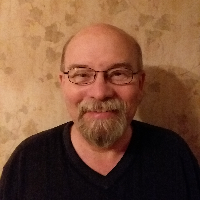
Prof. Michael McGaugh
Support for stress and parenting challenges
- Credentials
- LPC
- Experience
- 22 years
- Licensed in
- Missouri
- Languages
- English
- Format
- Online sessions
About Michael
Prof. Michael McGaugh helps people facing stress, anxiety, trauma and abuse, grief, depression, addictions, relationship and intimacy concerns, parenting challenges, and challenges with self-esteem. He also works with issues such as ADHD, bipolar disorder, compassion fatigue, and career-related stress.
He is known for clear, practical conversation and for focusing on what can be changed now to ease daily pressure. He brings 22 years of experience in mental health work. That background includes roles as an adult case manager and an intake specialist before moving into counseling full time.
Background and approach
He holds advanced degrees in psychology and mental health counseling and uses that training to shape sessions. In a typical meeting he listens closely, helps people look at problems from different angles, and focuses on building practical coping skills. He often uses cognitive behavioral techniques to spot unhelpful thinking and to try new behaviors.
He also draws from client-centered approaches to make space for people’s values and priorities. Mindfulness techniques and emotionally-focused ideas are part of his toolbox when they fit the situation. He aims to help people become more aware of their choices and to practice small changes that add up over time.
The tone in sessions is straightforward and respectful. His work reflects a practical goal: help people gain tools to make healthier decisions and feel better about themselves. He encourages a step-by-step approach so progress is steady and manageable.
Therapeutic approaches and online care
Prof. McGaugh commonly uses cognitive behavioral therapy and client-centered methods to guide online sessions. Cognitive behavioral therapy helps identify unhelpful thoughts and teaches practical ways to try different behaviors, which can help with anxiety, depression, and stress. Client-centered therapy focuses on listening, empathy, and helping people find their own goals and values during the work.He also draws on emotionally-focused ideas when relationships or strong emotions are central concerns. Emotionally-focused techniques help name feelings and patterns so people can respond differently in close interactions. Choosing an approach is collaborative - the therapist will work with each person to pick methods that fit their needs, goals, and preferences rather than insisting on one path.
Online therapy here is offered through video calls, phone sessions, live chat, or text-based messaging. That range gives flexibility for busy schedules, travel, or when shorter check-ins are needed. Remote formats make it easier to keep consistent appointments and to practice skills between sessions while staying connected with a licensed professional.
Client-Centered Therapy
The direction comes from you rather than from a set programme. The therapist offers a warm, non-judgemental space to think out loud and work at your own pace. Online, this rests on the relationship rather than on being in the same room.
Cognitive Behavioral Therapy (CBT)
CBT looks at the link between what you think, how you feel, and what you do. You work on noticing unhelpful patterns and practising steadier responses. It suits online sessions well, because much of the work happens between appointments and can be talked through from anywhere.
Emotionally-Focused Therapy (EFT)
Attends to the emotions underneath a recurring argument or distance, and to the attachment needs driving them. Often used where a relationship keeps returning to the same painful loop.
Frequently asked questions
What concerns does he address?
How would he describe his therapeutic style?
What is his background in mental health?
What credentials and region are on record?
Which languages and international options are available?
What session formats are used for online work?
How is cost handled for sessions?
How do I begin working with him?
Specialties and expertise
Top specialties
- Stress, Anxiety
- Family conflicts
- Trauma and abuse
Also works with
- Abandonment
- Addictions
- ADHD
- Aging and geriatric issues
- Anger management
- Bipolar disorder
- Career difficulties
- Codependency
- Compassion fatigue
- Coping with life changes
- Depression
- Divorce and separation
- Emptiness
- Forgiveness
- Grief
- Hospice and end-of-life counseling
- Infidelity
- Intimacy-related issues
- Isolation / loneliness
- Jealousy
- LGBT
- Men's issues
- Midlife crisis
- Obsessions, compulsions, and OCD
- Panic disorder and panic attacks
- Paranoia
- Parenting issues
- Personality disorders
- Post-traumatic stress
- Relationship issues
- Self esteem
- Self-love
- Sexuality
Therapeutic approaches
- Experience
- 22 years
- Licensed
- Missouri
- Languages
- English
Next step
Talk to Michael
- Takes a few minutes
- Nothing to set up just to look
- Stop at any point