Therapists for LGBT
Explore therapists who focus on LGBT identities, relationship concerns, gender questions and related life issues. Each listing highlights approaches, focus areas, languages and credentials to help you narrow your search.
Browse the profiles below to compare therapists and take the next step toward support.



Henry "Jay" Swedlaw
LPCC, LCMHCTexas
- 20 yrs exp
Stress, Anxiety · LGBT · Relationship · +17
View Profile


Kelley Sullivan
LCSWColorado
- 19 yrs exp
- 2 languages
Stress, Anxiety · Relationship · Trauma and abuse · +13
View Profile
Stacey Sugar
MD, LCPC, LPCCCalifornia
- 14 yrs exp
Stress, Anxiety · Relationship · Family · +10
View Profile






Emma Cott
LCMFTKansas
- 12 yrs exp
Stress, Anxiety · Relationship · Intimacy-related issues · +14
View Profile

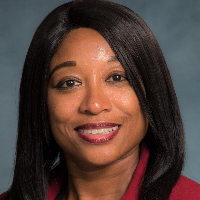






Marylise Zwarts
LMHCFlorida
- 25 yrs exp
- 2 languages
Relationship · Trauma and abuse · Grief · +13
View Profile
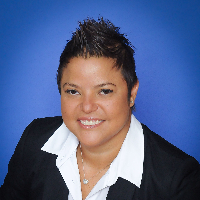

Lorraine Helferich
MD, LCPCMaryland
- 6 yrs exp
Stress, Anxiety · Trauma and abuse · Self esteem · +11
View Profile




Brittany Elledge
LPCC, LMHCPennsylvania
- 12 yrs exp
Stress, Anxiety · Relationship · Self esteem · +12
View Profile
Stephen Richardson
LCSW, LISW-CPNorth Carolina
- 10 yrs exp
Stress, Anxiety · Relationship · Family · +17
View Profile




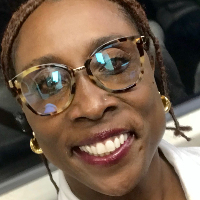


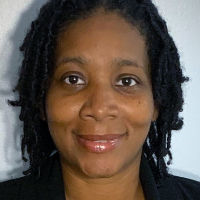







Dr. Shelia Williamson Collins
LPC, LCPCNorth Carolina
- 18 yrs exp
Stress, Anxiety · Addictions · Trauma and abuse · +14
View ProfileUnderstanding LGBT Identities and Common Experiences
When people use the term LGBT they are referencing a range of sexual orientations and gender identities - lesbian, gay, bisexual and transgender - and often related communities and experiences. Identity may be only one part of who you are, but it can shape relationships, family dynamics and daily interactions. You might encounter affirmation and acceptance in some social circles while facing misunderstanding, stigma or pressure in others. These mixed messages can affect your mood, your sense of belonging and how you express yourself in public and personal life.
Your experiences may also be shaped by culture, faith, race, age and geography. A young adult coming out in a college town will likely face different practical and emotional issues than an older adult in a conservative community. You may wonder about dating and partnership, navigate family reactions, consider legal aspects of relationships and healthcare, or explore questions about gender identity and medical options. Therapy aimed at LGBT topics often addresses the intersection between identity and life stressors so you can better manage day-to-day challenges and make choices that reflect your values.
When You Might Benefit from Therapy for LGBT-Related Concerns
There is no single signal that means you should seek therapy, but certain patterns often lead people to look for professional support. You might be experiencing persistent anxiety or low mood tied to rejection, harassment or identity-related stress. You might be trying to make a major life decision - coming out to family, beginning hormone care or changing relationship structure - and want a thoughtful space to weigh options. Relationship strain, parenting questions, grief after loss or navigating the workplace are also common reasons people turn to therapy.
If you notice that identity-related worries are interfering with your daily functioning, your relationships are suffering, or you feel stuck despite friends and family offering support, therapy can provide a place to explore these themes. You may also seek therapy simply to deepen self-understanding and resilience, to build coping strategies for microaggressions and discrimination, or to learn communication skills for partnerships. Whatever your reason, a therapist who lists LGBT focus areas and relevant approaches can help you translate concerns into practical steps.
What to Expect in LGBT-Focused Therapy Sessions
Therapy that addresses LGBT topics typically begins with an intake conversation where you and the therapist discuss your history, reasons for seeking help and what you hope to accomplish. Sessions are often collaborative - you and the therapist set goals together and check in periodically about progress. In the early weeks you may focus on immediate concerns such as managing distressing emotions, safety planning if you face hostility, or practical steps around coming out or relationship changes.
As you continue, sessions may explore identity development, family dynamics, patterns in your relationships and coping strategies for external stressors. Therapists who emphasize LGBT work often attend to minority stress - the ongoing strain of bias and stigma - and its effects on mental and relational health. You may practice communication or boundary-setting, learn techniques to manage anxiety or depression symptoms, or work through grief related to loss of relationships or expectations. Therapy is not one-size-fits-all, and a therapist who lists experience with diverse populations, age groups and cultural backgrounds can tailor the process to your needs.
Therapeutic Approaches Commonly Used with LGBT Clients
Therapists who list particular approaches bring different styles and tools to their sessions. Some therapists who list cognitive-behavioral approaches emphasize identifying and shifting thought patterns that fuel anxiety or depression, while those who list interpersonal approaches may focus on improving relationship skills and social supports. Therapists who list trauma-informed care may prioritize safety and pacing if you have experienced violence or abuse. You will also find therapists who list narrative, psychodynamic or humanistic approaches, each offering ways to explore personal history, meaning and identity.
Specific modalities appear in profiles as approaches that therapists use. For example, you may see therapists who list EMDR among their approaches for addressing trauma-related symptoms, or those who list mindfulness-based strategies to help with emotional regulation. Because profile listings reflect the approaches a therapist uses rather than formal certifications, you can use these descriptions to find clinicians whose methods align with your preferences. Think about whether you want a therapist who uses skill-based, short-term methods, or someone oriented toward deeper exploration over a longer period - both can be helpful depending on your goals.
How Online Therapy Works for LGBT Care and Practical Considerations
Online therapy can expand your access to therapists who list LGBT focus areas, especially if you live in an area with few local options. Sessions typically occur over video or text-based messaging platforms and involve the same conversational and clinical work as in-person care, with adaptations for the virtual format. You can expect to set up a meeting time, use a link to join a video call, and follow the therapist's guidelines about technology and privacy on your end. Some people appreciate the convenience of meeting from home, while others prefer the transition and ritual of traveling to a therapist's office. Both formats offer valid pathways for support.
Before starting online sessions, consider practical aspects such as whether you have a reliable internet connection, a quiet area to talk and a device with video capability. If having a private space at home is important to you, plan times or locations that allow for open conversation. Online therapy also makes it easier to match on identity, language and approach when local options are limited. Profiles that list the languages a therapist speaks, populations they work with and the approaches they use can help you find someone whose perspective resonates with your needs.
Choosing the Right Therapist for LGBT-Related Support
Finding the right therapist is a personal process that combines practical criteria and interpersonal fit. Start by reading profiles to identify clinicians who list LGBT focus areas, relevant approaches and experience with populations similar to yours. Pay attention to credentials listed on profiles, such as licensed counselors or psychologists, and note the languages and cultural backgrounds that may align with your identity and values. If you have specific needs - working with couples, exploring gender transition, parenting as an LGBT person or addressing faith-related concerns - look for therapists who mention those focus areas in their descriptions.
When you reach out to a potential therapist, think about what matters most in a therapeutic relationship. You may want a direct, skills-oriented approach or a reflective, exploratory style. Consider whether shared identity characteristics or lived experience matter to you, and whether you would prefer someone who explicitly lists LGBT issues among their focus areas. Trust your sense of how you feel during an initial conversation or consultation - comfort, clarity and a sense that your concerns are understood often signal a productive fit. Over time you can refine your goals and approach, and adjust as needed to ensure the work aligns with your priorities.
Final Thoughts
Whether you are seeking help for immediate stressors or looking to deepen self-understanding, therapists who list LGBT focus areas can offer perspectives and skills that help you navigate identity-related challenges. Use profile details on approaches, focus areas, languages and credentials to guide your search, and prioritize the combination of professional competence and personal fit. Taking the first step to explore profiles and reach out for an introductory conversation can be an important move toward greater clarity, coping and well-being in your life.
Find LGBT Therapists by State
Alabama
259 therapists
Alaska
30 therapists
Arizona
206 therapists
Arkansas
125 therapists
California
1521 therapists
Colorado
368 therapists
Connecticut
172 therapists
Delaware
52 therapists
District of Columbia
52 therapists
Florida
1786 therapists
Georgia
664 therapists
Hawaii
71 therapists
Idaho
106 therapists
Illinois
604 therapists
Indiana
301 therapists
Iowa
83 therapists
Kansas
123 therapists
Kentucky
190 therapists
Louisiana
373 therapists
Maine
72 therapists
Maryland
267 therapists
Massachusetts
242 therapists
Michigan
633 therapists
Minnesota
227 therapists
Mississippi
193 therapists
Missouri
462 therapists
Montana
92 therapists
Nebraska
94 therapists
Nevada
84 therapists
New Hampshire
46 therapists
New Jersey
419 therapists
New Mexico
96 therapists
New York
889 therapists
North Carolina
738 therapists
North Dakota
14 therapists
Ohio
425 therapists
Oklahoma
291 therapists
Oregon
129 therapists
Pennsylvania
603 therapists
Rhode Island
35 therapists
South Carolina
339 therapists
South Dakota
33 therapists
Tennessee
288 therapists
Texas
1770 therapists
Utah
150 therapists
Vermont
34 therapists
Virginia
355 therapists
Washington
224 therapists
West Virginia
52 therapists
Wisconsin
277 therapists
Wyoming
44 therapists