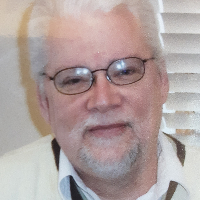
Mark Anderson
Compassionate counselor with deep practical experience
- Credentials
- LPC
- Experience
- 45 years
- Licensed in
- Michigan
- Languages
- English
- Format
- Online sessions
About Mark
Mark Anderson is a Licensed Professional Counselor (LPC) with decades of hands-on experience. He focuses on clear, practical help for people facing stress, anxiety, addiction, grief, depression, and family concerns. He writes and talks in plain language and aims to make the first steps easy to manage.
He draws on several proven methods, including client-centered work, cognitive behavioral techniques, and trauma-focused approaches. Sessions emphasize building coping skills, managing strong emotions, and addressing patterns that get in the way of daily life.
Background and approach
The goal is to leave each session with a small, doable step toward feeling better. Across a long career, he has supported people dealing with loss and the fallout of substance use. That background includes work with trauma, panic, social anxiety, and problems around guilt and control.
He brings practical strategies gained from many years in clinical settings. Mark meets people where they are and tailors methods to fit real-life needs. He uses straightforward language and focuses on what can change now.
For parents and others concerned about family dynamics, he offers approaches that address relationships and everyday routines. He practices in Michigan and communicates in English. His approach combines experience with practical tools to help people manage crises, rebuild routines, and find clearer direction.
Therapeutic approaches and online support
Client-centered therapy focuses on the person in the room, with the therapist listening closely and following the client’s lead to build insight and strength. This approach helps when someone needs a calm space to talk through difficult feelings and decide what matters most.Cognitive behavioral therapy, or CBT, looks at how thoughts, feelings, and actions connect and teaches practical skills to change unhelpful patterns. It is useful for anxiety, depression, panic, and many everyday problems that get in the way of functioning.
Trauma-focused therapy concentrates on understanding and reducing the hold that past harm has on current life. It aims to lower distress and build safer ways of coping with memories and triggers.
Choosing the right approach is a shared process. The therapist will discuss goals, try out methods, and adjust based on what works and what feels right. That collaborative process helps shape a plan that fits each person’s needs and preferences.
Online sessions are offered by video calls, phone, live chat, or text-based messaging to make care more flexible. These options let people work on skills between meetings, fit sessions into busy schedules, and connect from different locations. The variety of formats supports steady progress while keeping therapy practical and accessible.
Client-Centered Therapy
The direction comes from you rather than from a set programme. The therapist offers a warm, non-judgemental space to think out loud and work at your own pace. Online, this rests on the relationship rather than on being in the same room.
Cognitive Behavioral Therapy (CBT)
CBT looks at the link between what you think, how you feel, and what you do. You work on noticing unhelpful patterns and practising steadier responses. It suits online sessions well, because much of the work happens between appointments and can be talked through from anywhere.
Dialectical Behavior Therapy (DBT)
Concrete skills for riding out strong emotion, tolerating distress, and handling relationships without things escalating. The skills are practised in daily life, so between-session support by message or phone fits naturally.
Frequently asked questions
What kinds of problems does he address?
What therapeutic style can I expect?
How much clinical experience does he have?
Where is he licensed and based?
Which languages are supported and can international clients join?
What session formats are available?
How are sessions paid for?
How do I begin working with him?
Specialties and expertise
Top specialties
Also works with
- Anger management
- Career difficulties
- Compassion fatigue
- Control issues
- Coping with life changes
- Depression
- Family conflicts
- Grief
- Guilt and shame
- Hospice and end-of-life counseling
- Intimacy-related issues
- LGBT
- Life purpose
- Panic disorder and panic attacks
- Relationship issues
- Self esteem
- Social anxiety and phobia
Therapeutic approaches
- Experience
- 45 years
- Licensed
- Michigan
- Languages
- English
Next step
Talk to Mark
- Takes a few minutes
- Nothing to set up just to look
- Stop at any point