Family and Parenting Therapists in Rhode Island
Welcome to our directory of online therapists serving Rhode Island. All therapists listed here are licensed in Rhode Island - explore profiles to compare approaches, credentials, languages, and experience.





Tara Passaretti
LMHCRhode Island
- 18 yrs exp
Stress, Anxiety · Relationship · Trauma and abuse · +13
View Profile
Gladys Cano
LICSWRhode Island
- 25 yrs exp
- 2 languages
Stress, Anxiety · Relationship · Family · +12
View Profile

Kara Denahan
LMFTRhode Island
- 23 yrs exp
Stress, Anxiety · Relationship · Trauma and abuse · +15
View Profile
Misty Faella
LMHCRhode Island
- 17 yrs exp
Stress, Anxiety · Trauma and abuse · Parenting · +7
View Profile
Orion Block
LICSW, LCSWRhode Island
- 8 yrs exp
Stress, Anxiety · LGBT · Intimacy-related issues · +10
View Profile

Nicholas Ahern
LMHCRhode Island
- 6 yrs exp
Stress, Anxiety · Relationship · Self esteem · +11
View Profile
Christine Weber
LMHC, LPCRhode Island
- 37 yrs exp
Stress, Anxiety · Addictions · Self esteem · +11
View Profile
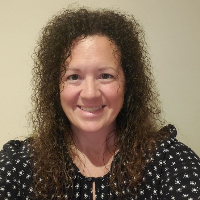
Rachel DiPippo
LMHCRhode Island
- 22 yrs exp
Stress, Anxiety · Addictions · Relationship · +14
View Profile
Rita Mahon
LICSWRhode Island
- 18 yrs exp
Stress, Anxiety · Relationship · Trauma and abuse · +15
View Profile

Jennill Coronado
LCSW, CSWRhode Island
- 7 yrs exp
Stress, Anxiety · Trauma and abuse · Grief · +7
View Profile



Bethany Virgilio
LICSWRhode Island
- 20 yrs exp
Stress, Anxiety · Relationship · Intimacy-related issues · +14
View Profile

Catherine Costa
LICSWRhode Island
- 3 yrs exp
Stress, Anxiety · Parenting · Self esteem · +13
View Profile
Alba Perez Smith
LICSWRhode Island
- 3 yrs exp
- 2 languages
Stress, Anxiety · LGBT · Trauma and abuse · +12
View Profile


Natasha Deshommes
LPC, LMHCRhode Island
- 8 yrs exp
- 2 languages
Family · Grief · Self esteem · +9
View Profile






Overview of online therapy options in Rhode Island
How online therapy fits into local care
Online therapy has become a common way for Rhode Island residents to connect with mental health professionals across the state. Whether you live in an urban neighborhood in Providence, a coastal town, or a rural community, you can find therapists who offer sessions by video, phone, or messaging. State licensing rules generally require that a therapist providing services to you be licensed to practice where you live, so many professionals who support Rhode Island clients are licensed in the state. Profiles in this directory make it easier to see which approaches and populations a therapist lists so you can determine whether their work aligns with your needs.
Telehealth options are not all the same. Some therapists focus on short-term problem-solving, others emphasize longer-term exploration, and many list specific approaches or populations they work with. You can expect differences in session format, communication styles, and fee structures. Understanding those differences will help you narrow options and find a working relationship that fits your life and goals.
Benefits of online therapy for Rhode Island residents
Convenience, access, and continuity
Online therapy often extends access to counseling in ways that fit modern schedules and geographic realities. You may save time on commuting, avoid traffic on busy routes, and connect with clinicians outside your immediate neighborhood. For people living on Aquidneck Island, in western Rhode Island, or in smaller towns, online sessions can reduce travel barriers and broaden the range of clinicians you can work with. The format also supports continuity when life requires schedule changes or when you need flexibility to attend sessions from home or another appropriate setting.
Another benefit is the ability to look for clinicians who list areas of focus that match your concerns. If you want someone who lists family therapy approaches, perinatal mental health, LGBTQ+ affirming practice, or trauma-focused methods among their approaches, online profiles make that information easier to find. You should weigh the convenience of remote sessions against your personal preferences for in-person connection and consider how session format may affect rapport and therapeutic work.
Issues online therapists in Rhode Island commonly help with
Range of concerns and populations served
Therapists working online in Rhode Island support people with a wide range of concerns across life stages. Many list experience working with anxiety, depression, relationship challenges, parenting and family dynamics, grief and loss, life transitions, and stress related to work or school. Some clinicians list approaches they use for trauma-related concerns, while others highlight work with couples, adolescents, or older adults. Because clinicians self-report their focus areas, profiles often note populations and topics they address.
If you are exploring help for substance use, behavioral health, or chronic medical conditions that affect mood, you can look for therapists who list those focus areas among their approaches. Keep in mind that online therapy can complement other supports you may have, such as primary care, specialty medical care, or community resources. It is useful to identify outcomes you hope to achieve - for example, symptom reduction, improved communication in relationships, or stronger coping skills - and search for clinicians who describe similar goals in their profiles.
How to verify a therapist's license in Rhode Island
Steps to confirm licensing and professional status
Verifying a therapist's state license is an important step in choosing care. Start by visiting the Rhode Island state licensing website or the Department of Health's online license lookup portal. You can search by the clinician's full name to view license type, status, license number, and sometimes disciplinary history. Pay attention to the profession listed - typical credential types include licensed clinical social worker, licensed mental health counselor, marriage and family therapist, and psychologist, each of which has different training pathways and scopes of practice.
If the online lookup raises questions, you can contact the licensing board by phone or email to ask for clarification about licensure status and any public actions. Keep a record of the license number and expiration date for your records. If a clinician practices from another state but offers services to Rhode Island residents, confirm whether they are authorized to provide care to you under Rhode Island rules. Licensing jurisdiction usually depends on where you are located during sessions, so knowing the rules that apply to your situation will help you make an informed choice.
How to get started with an online therapist
Practical first steps and the initial contact
Getting started typically begins with reviewing clinician profiles to identify a few therapists whose approaches, languages, and populations served match your needs. Read descriptions carefully to see whether a therapist lists approaches or areas of focus that resonate with you. When you reach out, you can ask about their approach to online sessions, typical session length, communication methods between appointments, and fees or insurance arrangements. Asking about these practical matters helps you understand how the clinician works and whether that style fits your preferences.
Before your first session, set aside a private space where you can speak without interruptions. Ensure your device has a reliable internet connection, test your camera and microphone, and download any required software or apps ahead of time. Prepare a short list of goals or topics you want to address so you can use initial meetings to discuss fit and therapeutic focus. Therapy is a collaborative process - an early conversation about expectations and methods helps shape a productive relationship.
Tips for choosing the right therapist for you
Factors to weigh beyond credentials
Choosing a therapist is a personal decision that goes beyond license type and degrees. Consider the approaches a clinician lists and whether they align with your goals. For example, you might seek therapists who list cognitive-behavioral strategies if you prefer structured skill-building, or clinicians who list family systems approaches if you are focused on relational dynamics. Some therapists explicitly note populations they serve - such as adolescents, parents, or older adults - and language fluency can be important if you prefer counseling in a language other than English.
Think about the working relationship you want. Do you prefer a directive style that emphasizes homework and skill practice, or a reflective style that explores life story and meaning? Many profiles include a brief statement about therapeutic style that can give you a sense of how the clinician engages. Trust your instincts about fit. It is reasonable to contact more than one clinician to learn about their approach, session structure, and how they describe progress. Clear communication about goals, preferred pace, and session format helps you find a therapeutic match that supports your well-being.
Final considerations as you move forward
Ongoing evaluation and practical planning
As you begin online therapy, give the process time while also checking in periodically about progress. It is helpful to set measurable goals with your clinician so you can evaluate whether the work is moving in the direction you want. Financial and insurance questions are practical concerns worth clarifying up front - ask about session fees, sliding scale options if offered, and whether a clinician provides documentation for insurance reimbursement. If coordination with other providers matters to you, discuss how information will be shared and documented in a way that protects your privacy and meets your needs.
Finding the right online therapist in Rhode Island is about combining practical considerations - licensure, approach, language, and logistics - with personal fit. Use the directory to explore profiles and find clinicians who list the approaches and populations you are seeking. With clear goals, thoughtful questions, and attention to the details that matter most to you, you can start a therapeutic process that supports change and resilience in the context of your daily life.
Browse Specialties in Rhode Island
Mental Health Conditions (35 have therapists)
Addictions
8228 therapists
ADHD
7860 therapists
Anger
10734 therapists
Bipolar
7516 therapists
Chronic Illness
3037 therapists
Chronic Pain
3037 therapists
Compulsion
3580 therapists
Control Issues
6603 therapists
Depression
14356 therapists
Disaster Relief Therapy
3349 therapists
Dissociation
1963 therapists
Domestic Violence
4104 therapists
Eating Disorders
3489 therapists
Gambling
2371 therapists
Grief
11761 therapists
Guilt and Shame
9696 therapists
Impulsivity
5542 therapists
Intimacy Issues
7932 therapists
Isolation / Loneliness
9055 therapists
Midlife Crisis
5633 therapists
Mood Disorders
7588 therapists
Obsession
3580 therapists
OCD
3580 therapists
Panic Disorder and Panic Attacks
6557 therapists
Phobias
2494 therapists
Post-Traumatic Stress
8211 therapists
Postpartum Depression
4106 therapists
Seasonal Affective Disorder (SAD)
4853 therapists
Self Esteem
14207 therapists
Self-Harm
3912 therapists
Sexual Trauma
3793 therapists
Sleeping Disorders
4076 therapists
Social Anxiety and Phobia
8671 therapists
Stress & Anxiety
15752 therapists
Trauma and Abuse
12452 therapists
Life & Relationships (33 have therapists)
Abandonment
6061 therapists
Adoption
3369 therapists
Aging and Geriatric Issues
4225 therapists
Attachment Issues
6651 therapists
Blended Family Issues
5635 therapists
Body Image
4545 therapists
Career
9299 therapists
Caregiver Issues and Stress
7550 therapists
Codependency
6271 therapists
Commitment Issues
4863 therapists
Communication Problems
11393 therapists
Compassion Fatigue
8168 therapists
Coping with Life Changes
13417 therapists
Divorce
7611 therapists
Family
14874 therapists
Family of Origin Issues
5467 therapists
Fatherhood Issues
2972 therapists
Fertility Issues
1702 therapists
First Responder Issues
3179 therapists
Forgiveness
9200 therapists
Foster Care
3369 therapists
Hospice and End-of-Life Counseling
3012 therapists
Infidelity
4669 therapists
Jealousy
4269 therapists
Life Purpose
10019 therapists
Money and Financial Issues
3798 therapists
Parenting
12043 therapists
Pregnancy
3266 therapists
Relationship
14028 therapists
Self-Love
10112 therapists
Separation
7611 therapists
Sexuality
3317 therapists
Workplace Issues
7267 therapists