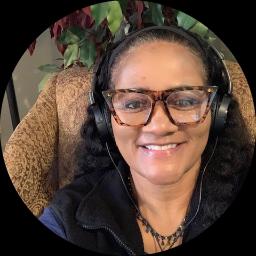
Velma Jones
LCSWNew York
- 29 yrs exp
Stress, Anxiety · Relationship · Trauma and abuse · +11
View ProfileThe therapist listings are provided by BetterHelp and we will earn a commission if you use our link - at no cost to you.
This directory lists therapists who focus on multicultural concerns, cultural identity, and cross-cultural challenges. Browse the listings below to find clinicians who match your language, approach, background, and experience.
New York
Stress, Anxiety · Relationship · Trauma and abuse · +11
View ProfileColorado
Stress, Anxiety · Relationship · Trauma and abuse · +13
View ProfileFlorida
Relationship · Trauma and abuse · Grief · +13
View ProfileMissouri
Stress, Anxiety · Trauma and abuse · Self esteem · +13
View ProfileNorth Carolina
Stress, Anxiety · Relationship · Family · +17
View ProfileNorth Carolina
Stress, Anxiety · Addictions · Trauma and abuse · +14
View ProfileTexas
Stress, Anxiety · Relationship · Trauma and abuse · +16
View ProfilePennsylvania
Stress, Anxiety · Relationship · Grief · +9
View ProfileNorth Carolina
Stress, Anxiety · Relationship · Anger · +13
View ProfileMulticultural concerns refer to the psychological, relational, and practical difficulties that arise when cultural identity, ethnicity, race, religion, immigration status, language, sexual orientation, gender identity, socioeconomic background, or other cultural factors interact with daily life. These concerns can shape how you experience belonging, stress, opportunities, and relationships. You may find that cultural expectations from family, community, or faith groups clash with personal goals, or that navigating more than one cultural world creates ongoing tension. For many people, these pressures show up as anxiety, depression, strained family ties, uncertainty about identity, or a sense of invisibility in schools, workplaces, or healthcare settings.
Culture also informs how you express distress, seek help, and understand change. Some people draw on collective traditions and community coping strategies, while others may feel isolated because local services do not reflect their background or language. When cultural differences combine with experiences of discrimination, microaggressions, or systemic barriers, the emotional impact can be layered and complex. Therapy that acknowledges cultural context aims to make those layers visible so you can work with them rather than feel reduced to symptoms alone.
You might consider therapy if you notice persistent difficulty reconciling parts of your identity, recurring conflict with family over cultural expectations, or ongoing stress related to migration, acculturation, or language barriers. You may feel torn between honoring family traditions and following your personal values, or you might experience identity-related distress after coming out, converting faith, changing gender expression, or moving to a new country. Other signs include repeated workplace or school incidents where your background is misunderstood, chronic feelings of not belonging, or emotional exhaustion from navigating microaggressions and prejudice.
Therapy can also be helpful when cultural dynamics shape relationships within families across generations. Intergenerational tensions often emerge when children and parents acculturate at different rates or when economic pressures change family roles. You may notice communication breakdowns, avoidance of certain topics, or an inability to set boundaries without guilt. If these patterns interfere with your daily functioning, relationships, or sense of self, seeking a therapist who understands multicultural concerns can provide a framework for exploring identity, values, and strategies for coping and communication.
Early sessions typically focus on getting a clear sense of your background, the cultural forces that matter to you, and the problems you want to address. Your therapist will likely ask about family history, migration or immigration experiences if relevant, language preferences, religious or spiritual practices, and how you understand your own identity. These conversations are intended to place symptoms and behaviors into cultural context rather than pathologize them. You can expect a mix of storytelling, practical problem solving, and exploration of meaning as your therapist learns which cultural themes are central to your life.
In ongoing work you will typically collaborate on goals that honor your values and cultural priorities. Sessions may include exploring how cultural messages have shaped your self-view, rehearsing ways to communicate across cultural divides, and building skills for managing stress associated with discrimination or microaggressions. Therapy can also include family or couple sessions when intergenerational or intercultural dynamics are a major focus. The pace and methods will vary depending on your needs, and a culturally oriented therapist will often invite discussion about how therapy itself fits with your cultural expectations and preferences.
There is no single approach that fits every situation, and many therapists integrate methods to address cultural dynamics, identity work, and relational patterns. You may find clinicians who emphasize narrative work that helps you shape a coherent story about identity and migration, or those who draw on family-systems ideas to understand how cultural roles and obligations circulate within households. Trauma-informed perspectives can be useful when discrimination, persecution, or exile are part of your history, provided they are applied with cultural sensitivity.
Some therapists list cognitive-behavioral therapy among their approaches and adapt it to the cultural frame that makes sense for you, focusing on beliefs and behaviors that are influenced by cultural norms. Others list mindfulness-based or somatic methods that help you reconnect with the body in culturally resonant ways. You may also encounter therapists who list narrative therapy among their approaches, which centers the stories you tell about your life and identity. When you read listings, note which approaches a clinician mentions and consider how those methods might align with your goals. Remember that a listed approach is an indication of interest or orientation rather than a guarantee of specific training.
Online therapy can increase access to clinicians who share your language, cultural background, or specialization in multicultural issues, especially if local options are limited. Sessions typically occur via video or phone, and many therapists also use text-based messaging for brief check-ins or homework. You should expect a similar therapeutic process to in-person work: initial assessment, collaborative goal setting, and regular sessions. The convenience of online care can make it easier to maintain continuity when you travel, live between countries, or have caregiving responsibilities.
When using remote services, think about how the medium affects rapport, nonverbal cues, and the sense of being understood. Some people feel more comfortable speaking about identity issues from their home, while others prefer a neutral in-person setting. Consider language options offered by therapists and whether they use interpreters. Confirm how the therapist approaches cultural references, rituals, and family involvement in sessions. It is also reasonable to ask about how your personal information is handled and what privacy practices are in place, keeping in mind your comfort with technology and the type of platform used for sessions.
Start by clarifying what matters most to you. Is it shared language, similar cultural background, knowledge of migration issues, experience with race-based stress, or familiarity with specific faith traditions? You may prioritize a clinician who lists experience with family or child issues if intergenerational conflict is central, or someone who lists approaches that appeal to you, such as narrative work, family-systems thinking, or trauma-informed care. When you read listings, look for mention of the populations a therapist works with and the languages they offer. Keep in mind that a listing indicates focus areas a clinician chooses to highlight, which can help you identify potential matches.
Prepare a few questions to guide an initial conversation. You might ask how the therapist conceptualizes cultural identity in therapy, how they involve family or community when appropriate, and what approaches they typically use with clients facing similar issues. If you are looking for someone who understands discrimination or microaggressions, ask how they address those experiences and support coping and resilience. If language is important, confirm the languages used in sessions. Trust your sense of fit - you should feel that the therapist respects and listens to your cultural frame. If a first match does not feel right, it is reasonable to continue searching until you find a clinician whose approach and background align with your needs.
Finding a therapist who understands multicultural concerns can expand the ways you make meaning of identity, improve communication with family and community, and help you build strategies for navigating cultural stressors. Use the listings below to explore clinicians by language, approach, and experience so you can identify practitioners who are likely to understand the cultural dimensions of what you are facing. Therapy that takes culture seriously can be a space to explore belonging, set goals that reflect your values, and develop practical skills for everyday life.
Alabama
259 therapists
Alaska
30 therapists
Arizona
206 therapists
Arkansas
125 therapists
California
1521 therapists
Colorado
368 therapists
Connecticut
172 therapists
Delaware
52 therapists
District of Columbia
52 therapists
Florida
1786 therapists
Georgia
664 therapists
Hawaii
71 therapists
Idaho
106 therapists
Illinois
604 therapists
Indiana
301 therapists
Iowa
83 therapists
Kansas
123 therapists
Kentucky
190 therapists
Louisiana
373 therapists
Maine
72 therapists
Maryland
267 therapists
Massachusetts
242 therapists
Michigan
633 therapists
Minnesota
227 therapists
Mississippi
193 therapists
Missouri
462 therapists
Montana
92 therapists
Nebraska
94 therapists
Nevada
84 therapists
New Hampshire
46 therapists
New Jersey
419 therapists
New Mexico
96 therapists
New York
889 therapists
North Carolina
738 therapists
North Dakota
14 therapists
Ohio
425 therapists
Oklahoma
291 therapists
Oregon
129 therapists
Pennsylvania
603 therapists
Rhode Island
35 therapists
South Carolina
339 therapists
South Dakota
33 therapists
Tennessee
288 therapists
Texas
1770 therapists
Utah
150 therapists
Vermont
34 therapists
Virginia
355 therapists
Washington
224 therapists
West Virginia
52 therapists
Wisconsin
277 therapists
Wyoming
44 therapists