Therapists for Adoption
This page lists profiles of therapists who cite adoption as a specialty, including focus areas, therapeutic approaches, credentials, languages, and experience. Browse the listings below to explore professionals who work with adoption-related identity, grief, parenting, and family transition concerns.


Kelley Sullivan
LCSWColorado
- 19 yrs exp
- 2 languages
Stress, Anxiety · Relationship · Trauma and abuse · +13
View Profile







Stephen Richardson
LCSW, LISW-CPNorth Carolina
- 10 yrs exp
Stress, Anxiety · Relationship · Family · +17
View Profile


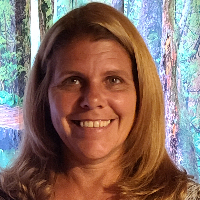



Martina Cisneros
LCSWTexas
- 21 yrs exp
Stress, Anxiety · Relationship · Trauma and abuse · +16
View Profile

Brittany Vaughn
LCSWIllinois
- 12 yrs exp
Stress, Anxiety · Trauma and abuse · Parenting · +13
View Profile
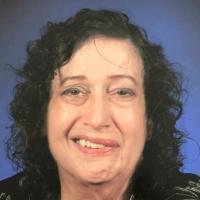
Dr. Jo Ann Lee
FL Psychologist PY5608Florida
- 30 yrs exp
Stress, Anxiety · Grief · Anger · +16
View Profile


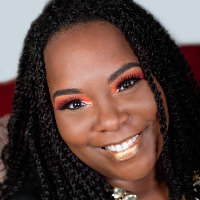





Carrie Gottschalk
LIMHPNebraska
- 10 yrs exp
Stress, Anxiety · Trauma and abuse · Self esteem · +11
View Profile

Shayna Schaefer
LCSWDelaware
- 28 yrs exp
- 2 languages
Stress, Anxiety · Family · Self esteem · +12
View Profile


Dr. Carol Parham
LMHCFlorida
- 16 yrs exp
Stress, Anxiety · Trauma and abuse · Self esteem · +7
View Profile
Kellie Foster
LMHC, LCMHCFlorida
- 13 yrs exp
Stress, Anxiety · Self esteem · Depression · +8
View Profile
Dr. James Hunter Jr
LCMHCNorth Carolina
- 19 yrs exp
Stress, Anxiety · Depression · Relationship · +10
View Profile


Sunny Philip
LCSWFlorida
- 28 yrs exp
- 3 languages
Stress, Anxiety · Addictions · Trauma and abuse · +14
View Profile

Karen Kavaloski
LPC, LPCCMissouri
- 17 yrs exp
Stress, Anxiety · Addictions · Relationship · +10
View Profile


Saundra Burleson
LCMHCNorth Carolina
- 13 yrs exp
Stress, Anxiety · Addictions · Intimacy-related issues · +11
View Profile


Understanding adoption and how it commonly affects people
Adoption is a life-changing process that can shape identity, relationships, and family roles across generations. Whether you are an adoptee, an adoptive parent, a birth parent, or a family member, adoption often brings a mix of joy and complexity. Many people experience questions about identity and belonging, curiosity about origins, or the emotional labor of integrating different family histories. For adoptive parents, there can be stress around attachment, parenting in a way that honors an adopted child’s history, and the practical work of building routines and trust. Birth parents may carry grief, relief, uncertainty, or complicated feelings about connection. Sibling relationships and extended family dynamics can shift as people negotiate new roles and expectations.
These experiences are not a sign of failure; they are a normal response to a major life transition. Adoption can also intersect with race, culture, language, and trauma histories, creating additional layers that you may need support to understand. Many people look for a therapeutic setting when emotions related to adoption feel overwhelming, persistent, or when they affect daily functioning and relationships. Therapy can provide a space to explore questions about identity, work through loss and grief, and learn practical strategies for parenting, co-parenting, and communication.
Signs you might benefit from therapy focused on adoption
You may find therapy helpful if adoption-related themes come up repeatedly in your thoughts, relationships, or life decisions. If you are an adoptee, signs can include persistent questions about origin, difficulty trusting caregivers, a sense of not belonging, or recurring grief even years after placement. If you are an adoptive parent, you might notice challenges in forming stable attachment, repeated conflicts about behavior or expectations, or worry about how to talk openly about adoption with your child. Birth parents commonly seek support when feelings of loss, shame, or ambivalence persist beyond what feels manageable.
Other signs that therapy could help include intense anxiety around reunions or searches for birth family, distress about transracial or international adoption issues, and difficulties within the broader family when adoption differences create tension. You may also be seeking help for more general concerns - depression, anxiety, relationship problems, or parenting stress - that are entangled with adoption history. Therapy is appropriate when you want a thoughtful, steady place to explore these topics, develop coping strategies, and practice new ways of relating that honor everyone’s story.
What to expect in adoption-focused therapy sessions
When you begin working with a therapist who lists adoption among their specialties, sessions typically start with an exploration of your story and your goals. The first phase often involves building a collaborative relationship where you and the therapist map out how adoption shows up in your life, whether through identity questions, grief, attachment concerns, or family stress. Your therapist will invite you to tell your narrative at your own pace and may ask about placement history, relationships with birth and adoptive family members, cultural background, and any significant losses or traumas that inform your experience.
Over time, therapy moves into practical work that fits your needs. For adoptees, this may mean processing loss and building a coherent sense of self that weaves together multiple histories. For parents, sessions often include strategies for attachment-building, communication skills for talking about adoption with children at different ages, and ways to manage behavioral or emotional challenges with empathy and consistency. Birth parents might focus on grief processing, identity repair, and decisions about contact or reunion. Sessions can be individual, with couples, or with children and parents together, depending on your goals. Progress is not a straight line, and your therapist should adapt to your pace, offering readings, exercises, or family session work when helpful.
Therapy themes you may work on
Common themes include grief and loss that does not always look like sadness, identity exploration that asks where you belong and how to tell your story, and attachment work that builds trust and security in relationships. You may also address cultural competence and racial identity if your adoption crosses racial or cultural lines. Conversations about boundaries, disclosure, and navigating relationships with birth family members are frequent and practical. Your therapist may use reflective questions, role play, or narrative reconstruction to help you reorganize painful memories and build new meanings.
Common therapeutic approaches used for adoption work
Therapists use a range of approaches when working with adoption-related issues, and many list several methods among their approaches. Attachment-informed work is common, with a focus on understanding how early relationships shape expectations and behaviors in current relationships. Narrative-informed approaches help you tell and retell your adoption story in a way that integrates loss and resilience. Trauma-informed care is often part of the mix when there is a history of neglect, separation, or difficult pre-adoption experiences, with an emphasis on stabilizing emotions and building coping skills rather than re-exposure to distressing memories.
Some therapists list family systems approaches to address patterns that run through a household, helping parents and children see how behaviors are interconnected and how to change dynamics. Therapists who list mindfulness or emotion-focused strategies may help you regulate intense feelings and build presence in relationships. You will also find therapists who list expressive modalities such as play therapy for younger children, or creative and narrative techniques for adolescents and adults who prefer nonverbal ways to process identity and history. When reading profiles, note that a therapist may list EMDR among their approaches, and that indicates they use it with some clients; profiles reflect what therapists report, not a specific credential. Consider which approaches resonate with you and how they fit the needs of your family or your personal history.
How online therapy works for adoption support
Online therapy makes it possible to work with clinicians who list adoption as a specialty regardless of geography, which can be useful if you need a therapist familiar with specific cultural or identity issues tied to your adoption. Sessions are typically conducted through video calls, and the format can accommodate individuals, parents, and family sessions. In an online setting you can work on identity, grief, and parenting strategies much like you would in person, with the added convenience of attending from a comfortable environment at home or another personal location.
If you choose online therapy, think about boundaries and comfort - having a quiet place for sessions and planning how to handle strong emotions after a session are practical steps. Online therapy can also facilitate continuity after a move, or make it easier to maintain contact with a therapist who understands transracial or international adoption issues that may be rare locally. Be mindful that some therapeutic activities, such as certain play-based interventions for young children, may be adapted for a virtual format or blended with occasional in-person work depending on what the therapist suggests. Discuss preferred methods and practical arrangements with any clinician you are considering so you know how they structure online work.
Tips for choosing the right therapist for adoption-related concerns
Start by reflecting on what you most want from therapy - whether it is processing grief, learning parenting strategies, exploring identity, or preparing for a search or reunion. When you read therapist profiles, focus on the areas they list under focus and approach to see if they align with your goals. Pay attention to mention of work with adoptees, adoptive parents, birth parents, transracial adoption, or international adoption if those are relevant to you. Look for language that emphasizes a thoughtful, nonjudgmental approach and an understanding of adoption-specific issues rather than a one-size-fits-all pitch.
Consider practical match factors like language, cultural competence, and experience working with your family structure. If race, culture, or language is central to your adoption story, a therapist who lists experience with transracial or cross-cultural adoption may better understand those nuances. Think about the therapeutic approaches that appeal to you; if you prefer narrative work or emotion-focused strategies, seek clinicians who list those methods among their approaches. Finally, preparation helps you get the most from a first session - make a short list of questions or topics you want to cover, and consider whether you would like individual, couple, or family sessions. Choosing a therapist is a personal decision, and finding a clinician whose approach and perspective align with your needs often makes the therapeutic work more effective and meaningful.
Adoption touches many parts of a life story, and finding therapeutic support can help you process complexity, strengthen relationships, and build a sense of continuity across past and present. Use the profiles below to explore options, read descriptions closely, and select a professional who matches your priorities and values.
Find Adoption Therapists by State
Alabama
259 therapists
Alaska
30 therapists
Arizona
206 therapists
Arkansas
125 therapists
California
1521 therapists
Colorado
368 therapists
Connecticut
172 therapists
Delaware
52 therapists
District of Columbia
52 therapists
Florida
1786 therapists
Georgia
664 therapists
Hawaii
71 therapists
Idaho
106 therapists
Illinois
604 therapists
Indiana
301 therapists
Iowa
83 therapists
Kansas
123 therapists
Kentucky
190 therapists
Louisiana
373 therapists
Maine
72 therapists
Maryland
267 therapists
Massachusetts
242 therapists
Michigan
633 therapists
Minnesota
227 therapists
Mississippi
193 therapists
Missouri
462 therapists
Montana
92 therapists
Nebraska
94 therapists
Nevada
84 therapists
New Hampshire
46 therapists
New Jersey
419 therapists
New Mexico
96 therapists
New York
889 therapists
North Carolina
738 therapists
North Dakota
14 therapists
Ohio
425 therapists
Oklahoma
291 therapists
Oregon
129 therapists
Pennsylvania
603 therapists
Rhode Island
35 therapists
South Carolina
339 therapists
South Dakota
33 therapists
Tennessee
288 therapists
Texas
1770 therapists
Utah
150 therapists
Vermont
34 therapists
Virginia
355 therapists
Washington
224 therapists
West Virginia
52 therapists
Wisconsin
277 therapists
Wyoming
44 therapists