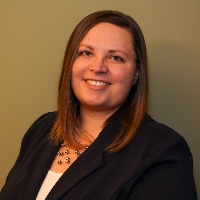
Brittany Vaughn
Compassionate help for parenting and life changes
- Credentials
- LCSW
- Experience
- 12 years
- Licensed in
- Illinois
- Languages
- English
- Format
- Online sessions
About Brittany
Brittany Vaughn is a licensed clinical social worker who focuses on parenting and family-related challenges among other concerns. She aims to help parents and individuals reduce stress, manage anxiety, and cope with life changes in ways that fit their day-to-day routine. Her plain, steady approach is geared toward people who want practical steps and clear goals.
She speaks English and practices in Illinois. Brittany uses straightforward techniques to address depression, trauma, and difficulties with self-esteem.
Background and approach
She helps people identify small, manageable steps that reduce symptoms and improve functioning. When trauma is involved she works to process its effects so it interferes less with daily life. Her training includes a Bachelor of Social Work from Southern Illinois University and a Master of Social Work completed in May 2014.
She has 12 years of experience as a therapist and holds an LCSW - Licensed Clinical Social Worker - in Illinois (IL LCSW 149.021018). Early in her career she provided therapy for adolescents with severe trauma in a residential setting. She also delivered school-based services in Williamson County and has worked in outpatient settings with children, teens, and adults.
In sessions she draws from common approaches such as Cognitive Behavioral Therapy, Dialectical Behavior Therapy, Motivational Interviewing, Client-Centered work, and Mindfulness. The work is collaborative and focused on what a family or parent can try this week to make things more manageable.
People come to her for help with parenting, relationship concerns, ADHD, grief, coping after disasters, and a range of other issues. She emphasizes simple strategies and steady progress rather than quick fixes.
How these approaches translate to online care
Client-Centered Therapy focuses on listening and responding to what matters most to the client. The therapist reflects concerns, supports personal goals, and helps people feel heard while they figure out next steps. Cognitive Behavioral Therapy, or CBT, looks at the link between thoughts, feelings, and actions and teaches concrete skills to change patterns that make stress or anxiety worse. Dialectical Behavior Therapy, or DBT, adds skills for emotion regulation and managing strong reactions, which can help with impulsivity, anger, and overwhelming feelings.Choosing the right method is a joint process. The therapist will work with each person or parent to decide which approaches fit their needs, goals, and daily life. Together they’ll try strategies and adjust as needed rather than committing to a single technique from the start.
Online sessions make it easier to fit therapy into a busy family schedule. Video calls can recreate a face-to-face conversation, while phone sessions work when video is not possible. Live chat and text-based messaging allow quick check-ins and ongoing support between meetings. These options give flexibility for parents and caregivers who need practical ways to access therapy without long travel or time away from home.
Client-Centered Therapy
The direction comes from you rather than from a set programme. The therapist offers a warm, non-judgemental space to think out loud and work at your own pace. Online, this rests on the relationship rather than on being in the same room.
Cognitive Behavioral Therapy (CBT)
CBT looks at the link between what you think, how you feel, and what you do. You work on noticing unhelpful patterns and practising steadier responses. It suits online sessions well, because much of the work happens between appointments and can be talked through from anywhere.
Dialectical Behavior Therapy (DBT)
Concrete skills for riding out strong emotion, tolerating distress, and handling relationships without things escalating. The skills are practised in daily life, so between-session support by message or phone fits naturally.
Frequently asked questions
What kinds of concerns does Brittany work with?
What is her general approach in sessions?
How much clinical experience does she have?
What are her professional credentials and where is she licensed?
Which languages can sessions be conducted in?
What formats are available for remote sessions?
How does cost and payment work?
How do I begin working together?
Specialties and expertise
Top specialties
- Stress, Anxiety
- Trauma and abuse
- Parenting issues
Also works with
- ADHD
- Adoption and foster care
- Anger management
- Bipolar disorder
- Career difficulties
- Coaching
- Commitment issues
- Communication problems
- Compassion fatigue
- Control issues
- Coping with life changes
- Coping with natural or human-caused disaster
- Depression
- Eating disorders
- Family conflicts
- Family problems
- First responder issues
- Guilt and shame
- Hoarding
- Impulsivity
- Infidelity
- Isolation / loneliness
- LGBT
- Life purpose
- Obsessions, compulsions, and OCD
- Panic disorder and panic attacks
- Phobias
- Post-traumatic stress
- Postpartum depression
- Pregnancy and childbirth
- Relationship issues
- Seasonal Affective Disorder (SAD)
- Self esteem
- Self-harm
- Self-love
- Sexual assault and abuse
- Sexuality
- Social anxiety and phobia
- Veteran and Armed Forces Issues
- Women's issues
- Workplace issues
- Young adult issues
Therapeutic approaches
- Experience
- 12 years
- Licensed
- Illinois
- Languages
- English
Next step
Talk to Brittany
- Takes a few minutes
- Nothing to set up just to look
- Stop at any point