Therapists for Narrative Therapy
Narrative Therapy helps people reframe the stories they tell about themselves and their relationships, focusing on meaning, context, and alternative narratives. Below, browse therapists who list Narrative Therapy among their approaches to find professionals who emphasize collaborative, story-based work with individuals and families.



Henry "Jay" Swedlaw
LPCC, LCMHCTexas
- 20 yrs exp
Stress, Anxiety · LGBT · Relationship · +17
View Profile

Kelley Sullivan
LCSWColorado
- 19 yrs exp
- 2 languages
Stress, Anxiety · Relationship · Trauma and abuse · +13
View Profile
Stacey Sugar
MD, LCPC, LPCCCalifornia
- 14 yrs exp
Stress, Anxiety · Relationship · Family · +10
View Profile



Emma Cott
LCMFTKansas
- 12 yrs exp
Stress, Anxiety · Relationship · Intimacy-related issues · +14
View Profile



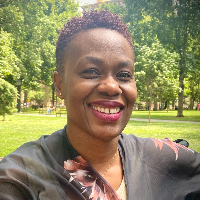

Lorraine Helferich
MD, LCPCMaryland
- 6 yrs exp
Stress, Anxiety · Trauma and abuse · Self esteem · +11
View Profile









Valerie Marsh
LMFTMinnesota
- 23 yrs exp
Stress, Anxiety · Relationship · Trauma and abuse · +14
View Profile




Martina Cisneros
LCSWTexas
- 21 yrs exp
Stress, Anxiety · Relationship · Trauma and abuse · +16
View Profile




Brittany Vaughn
LCSWIllinois
- 12 yrs exp
Stress, Anxiety · Trauma and abuse · Parenting · +13
View Profile

Jamesetter Credell
LCMHCNorth Carolina
- 15 yrs exp
Stress, Anxiety · Relationship · Anger · +13
View Profile


Barry Wasser
LCSWNew Jersey
- 8 yrs exp
Stress, Anxiety · Relationship · Trauma and abuse · +15
View Profile
Dr. James English
IL Psychologist 071.005714Illinois
- 30 yrs exp
Relationship · Grief · Depression · +13
View Profile




What Narrative Therapy Is and the Principles Behind It
Narrative Therapy is an approach that treats personal difficulties as shaped by stories - narratives you and others tell about events, identities, and relationships. Rather than seeing the person as defined by a problem, the work separates the person from the problem so that the issue is examined as an external influence. This shift in perspective creates room to explore how cultural messages, family patterns, and personal memories have combined to form dominant stories that may be limiting or painful.
The core principles center on collaboration, curiosity, and respect for your expertise in your own life. A practitioner who uses narrative techniques typically asks open questions that invite you to describe the problem-saturated story and to identify exceptions where the story does not hold. From there, the focus moves to re-authoring - creating alternative narratives that better reflect your values, intentions, and hopes. Context matters - narrative work considers social and cultural influences and how they have shaped the stories people live by. The result is a process that honors your perspective while offering new ways to understand and respond to life challenges.
Issues Narrative Therapy Is Often Used For
People turn to narrative approaches for a wide range of concerns because stories are a common way we make sense of experience. Narrative work is commonly applied to relationship and family struggles, where entrenched roles and patterns can feel inevitable. It is also used when identity questions arise - for example, in situations involving gender, culture, sexual orientation, or life transitions that prompt you to rethink who you are.
Narrative methods are often chosen when grief, loss, depression, or anxiety are tied to a personal history or to stories of failure and blame. Practitioners also use narrative techniques with parents and caregivers who want to shift family narratives that limit children or create repeated cycles. In contexts where social and cultural narratives contribute to distress - such as stigma or marginalization - narrative work helps you examine how those broader stories intersect with personal experience. The approach does not focus on diagnostic labels; instead it looks at the meanings and practices that sustain difficulties and cultivates alternatives.
What a Typical Narrative Therapy Session Looks Like
When you attend a narrative session, the tone tends to be conversational and exploratory. Early sessions often involve telling the story you currently live by - the sequence of events, the meanings you attach, and the ways other people or institutions feature in that account. The practitioner listens for problem-saturated language and gently asks questions that separate you from the problem. For example, instead of asking what is wrong with you, the therapist may ask how the problem has influenced your life and relationships.
As sessions progress, the focus shifts toward moments that contradict the dominant story - the so-called exceptions. You and the practitioner will explore these moments to notice skills, values, and actions that point toward different possibilities. Some sessions include written or symbolic practices such as letters, timelines, or externalizing conversations that help make shifts more tangible. You may be invited to share these new narratives with family members or community supports when it feels helpful. Over time the conversational work aims to create durable alternative stories that change how you act and relate, rather than simply offering temporary relief.
How Narrative Therapy Differs from Other Approaches
Narrative Therapy differs from many other therapeutic methods in its emphasis on language, meaning, and context rather than on symptom reduction alone. Cognitive-behavioral approaches typically target patterns of thought and behavior with structured techniques that aim to change responses. By contrast, narrative work pays careful attention to how cultural and interpersonal stories shape those thoughts and behaviors, making space for broader reinterpretation.
Compared with psychodynamic work, which often explores unconscious processes and early developmental influences, narrative approaches foreground the stories you tell in the here and now and the social scripts that continue to influence you. The stance of the practitioner in narrative work is intentionally collaborative - the therapist is treated as a curious listener and co-author rather than an expert who interprets or diagnoses. This collaborative posture makes narrative Therapy well suited to people who want to reclaim authority over their life narratives and to contextualize problems within family and social frameworks.
Who Is a Good Candidate for Narrative Therapy and How to Find a Practitioner
If you are someone who wants to examine the stories shaping your life, Narrative Therapy can be a good fit. It is especially helpful when you are interested in exploring identity, values, family patterns, or the social and cultural roots of a problem. You may prefer this approach if you want a respectful, collaborative process that treats you as the author of your own experience and seeks to expand possibilities rather than label limitations.
When searching for a practitioner, look for therapists who list Narrative Therapy among their approaches and who describe work with the populations or issues you care about, such as families, adolescents, couples, or cultural identity. Read profiles to learn about professional credentials, years of experience, languages spoken, and the contexts in which they work. Consider how their described style aligns with your priorities - whether you want structured exercises, conversational exploration, or an emphasis on community and cultural narratives. It can be useful to ask about how they use narrative techniques in sessions - for example, their approach to externalizing problems, re-authoring conversations, and involving family members when relevant.
Choosing a good fit is about alignment more than credentials alone. Pay attention to how a practitioner explains their work and whether their explanation resonates with your experience and hopes for therapy. Think about practical preferences too - such as session length, fees, and any language needs - since those will shape the logistics of working together. Ultimately you are looking for a clinician whose approach to stories and meaning helps you see alternatives and supports the changes you want to make in daily life and relationships.
Getting Started and What to Expect Over Time
Beginning narrative work typically involves an initial period of shared exploration where you map the problem-saturated story and identify values and exceptions. Over subsequent sessions you will likely notice gradual shifts - different ways of talking about experiences, new actions that reflect alternative narratives, and changes in relationships as others hear your emerging story. Some people use narrative practices for short-term focused work around a specific issue; others engage in a longer process to reshape recurring patterns across many areas of life.
If you are considering narrative work for family-related concerns, expect the process to include attention to relational dynamics and to the broader cultural messages that influence family stories. Narrative Therapy often invites creative and practical experiments - small actions that test a new narrative in everyday life. These experiments help make re-authoring feel relevant and possible beyond the therapy room. As you explore options on Putting Family First, look for profiles that match your priorities and reach out to learn how a practitioner explains their narrative approach in practice. That conversation can help you determine whether the style and focus feel like a good match for the changes you want to make.
Find Narrative Therapy Therapists by State
Alabama
259 therapists
Alaska
30 therapists
Arizona
206 therapists
Arkansas
125 therapists
California
1521 therapists
Colorado
368 therapists
Connecticut
172 therapists
Delaware
52 therapists
District of Columbia
52 therapists
Florida
1786 therapists
Georgia
664 therapists
Hawaii
71 therapists
Idaho
106 therapists
Illinois
604 therapists
Indiana
301 therapists
Iowa
83 therapists
Kansas
123 therapists
Kentucky
190 therapists
Louisiana
373 therapists
Maine
72 therapists
Maryland
267 therapists
Massachusetts
242 therapists
Michigan
633 therapists
Minnesota
227 therapists
Mississippi
193 therapists
Missouri
462 therapists
Montana
92 therapists
Nebraska
94 therapists
Nevada
84 therapists
New Hampshire
46 therapists
New Jersey
419 therapists
New Mexico
96 therapists
New York
889 therapists
North Carolina
738 therapists
North Dakota
14 therapists
Ohio
425 therapists
Oklahoma
291 therapists
Oregon
129 therapists
Pennsylvania
603 therapists
Rhode Island
35 therapists
South Carolina
339 therapists
South Dakota
33 therapists
Tennessee
288 therapists
Texas
1770 therapists
Utah
150 therapists
Vermont
34 therapists
Virginia
355 therapists
Washington
224 therapists
West Virginia
52 therapists
Wisconsin
277 therapists
Wyoming
44 therapists