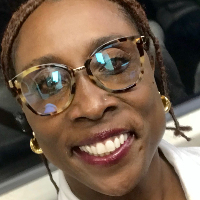
Velma Jones
LCSWNew York
- 29 yrs exp
Stress, Anxiety · Relationship · Trauma and abuse · +11
View ProfileThe therapist listings are provided by BetterHelp and we will earn a commission if you use our link - at no cost to you.
Motivational Interviewing is a collaborative, goal-oriented counseling style that helps people explore and resolve ambivalence about change. Below you can browse therapists who list Motivational Interviewing among their approaches to learn how they describe their work and areas of focus.
New York
Stress, Anxiety · Relationship · Trauma and abuse · +11
View ProfileColorado
Stress, Anxiety · Relationship · Trauma and abuse · +13
View ProfileCalifornia
Stress, Anxiety · Relationship · Family · +10
View ProfileKansas
Stress, Anxiety · Relationship · Intimacy-related issues · +14
View ProfileMassachusetts
Stress, Anxiety · Addictions · Relationship · +10
View ProfileMaryland
Stress, Anxiety · Trauma and abuse · Self esteem · +11
View ProfileNew York
Stress, Anxiety · Addictions · Trauma and abuse · +12
View ProfilePennsylvania
Stress, Anxiety · Relationship · Self esteem · +12
View ProfileMissouri
Stress, Anxiety · Trauma and abuse · Self esteem · +13
View ProfileNorth Carolina
Stress, Anxiety · Relationship · Family · +17
View ProfileMotivational Interviewing is an approach to conversation that aims to strengthen a person's own motivation and commitment to change. It is built around a stance of partnership rather than persuasion, and it emphasizes listening first so that you can clarify what matters to you and why change might be desirable. Rather than telling you what to do, the therapist helps you explore your own reasons for and against change so that you can make choices that line up with your values and priorities.
The approach rests on a small set of guiding principles that shape how a therapist interacts with you. Expressing empathy through reflective listening helps you feel understood. Developing discrepancy gently highlights differences between your current behavior and your broader goals or values. Rolling with resistance means avoiding direct confrontation when you feel stuck or defensive so that you can stay engaged. Supporting self-efficacy centers on building confidence in your ability to act on decisions. These elements combine to create a conversational climate that encourages honest exploration rather than pressure.
Motivational Interviewing originated in work with substance use, but its conversational principles are useful across many areas where people face ambivalence about changing behaviors. You may encounter MI in contexts like reducing or stopping substance use, starting or improving medication or treatment adherence, changing eating and exercise habits, or managing health-related behaviors such as sleep or chronic condition care. The approach is also applied when people are weighing decisions about relationships, parenting practices, or career moves where motivation is central.
Because MI focuses on motivation rather than specific skills, therapists often use it alongside other approaches. If you are engaged in cognitive, behavioral, trauma-focused, or family work, MI can help by preparing you to engage more fully in those interventions. It can be especially helpful when progress stalls because of mixed feelings about change, or when you want to build momentum toward a concrete goal.
If you choose a therapist who lists Motivational Interviewing among their approaches, early sessions usually focus on building rapport and understanding your perspective. The therapist will ask open questions and listen reflectively so that you can articulate your reasons for wanting change as well as the reasons you might hesitate. This back-and-forth helps identify where you are on the spectrum of readiness, and it allows you to set priorities together rather than having goals imposed on you.
In-session techniques tend to emphasize drawing out change talk, which are the statements you make in favor of change, and exploring sustain talk, which are the statements that support staying the same. A therapist will mirror and summarize to help you hear your own thinking, and they may offer information with permission if you ask for it. When you describe moments of success, the therapist will highlight those strengths to support confidence. Sessions are typically collaborative and paced by you so that any commitments you make come from a sense of ownership.
Some therapeutic models are more directive and focus on teaching skills or providing solutions. Motivational Interviewing differs in that the primary task is to elicit and strengthen motivation rather than to instruct. If you are not yet ready to practice new behaviors, a directive strategy can feel premature. MI meets you where you are and tends to slow down the push for change until you have articulated an internal reason to move forward.
Skills-based approaches like cognitive and behavioral methods focus on changing thoughts, feelings, and behaviors through specific techniques. Motivational Interviewing is complementary because it helps you commit to the work that those methods require. When combined, MI helps you identify meaningful goals and increases the likelihood you'll engage in skill building. The collaborative emphasis of MI also contrasts with approaches that rely heavily on therapist interpretation or a more hierarchical dynamic.
Motivational Interviewing is helpful if you are feeling unsure about making a change and want to explore your options without pressure. If you notice mixed feelings - wanting something different but also holding on to current habits - MI can help you clarify values and weigh consequences. It is applicable across ages and backgrounds, and it can be useful whether you are making health changes, navigating relationship transitions, or addressing behavior patterns that interfere with daily life.
When you search this directory you can view profiles of therapists who list Motivational Interviewing among their approaches. To find a good fit, read how each clinician describes their work, focus areas, and the populations they serve. Look for information about credentials, specialties, languages spoken, and therapy formats so you can assess whether their experience matches your needs. It can be helpful to note whether a therapist mentions how they integrate Motivational Interviewing with other methods, and to reach out with questions about how they typically structure sessions.
Before connecting, consider what matters most to you in therapy and use that to guide your questions. You might ask how the therapist helps clients set realistic, measurable goals, how they handle moments of resistance, or how they support follow through between sessions. Asking about typical session length and the general pace of work can help you imagine the practical contours of treatment. These inquiries focus on fit and approach rather than on credentials in any single method, and they help ensure the therapist's style aligns with how you prefer to be supported.
Motivational Interviewing is ultimately about respecting your autonomy and helping you act on your own priorities. If you'd like a conversational, collaborative process that centers your values and builds motivation for change, browsing profiles of therapists who list Motivational Interviewing among their approaches is a practical next step.
Alabama
259 therapists
Alaska
30 therapists
Arizona
206 therapists
Arkansas
125 therapists
California
1521 therapists
Colorado
368 therapists
Connecticut
172 therapists
Delaware
52 therapists
District of Columbia
52 therapists
Florida
1786 therapists
Georgia
664 therapists
Hawaii
71 therapists
Idaho
106 therapists
Illinois
604 therapists
Indiana
301 therapists
Iowa
83 therapists
Kansas
123 therapists
Kentucky
190 therapists
Louisiana
373 therapists
Maine
72 therapists
Maryland
267 therapists
Massachusetts
242 therapists
Michigan
633 therapists
Minnesota
227 therapists
Mississippi
193 therapists
Missouri
462 therapists
Montana
92 therapists
Nebraska
94 therapists
Nevada
84 therapists
New Hampshire
46 therapists
New Jersey
419 therapists
New Mexico
96 therapists
New York
889 therapists
North Carolina
738 therapists
North Dakota
14 therapists
Ohio
425 therapists
Oklahoma
291 therapists
Oregon
129 therapists
Pennsylvania
603 therapists
Rhode Island
35 therapists
South Carolina
339 therapists
South Dakota
33 therapists
Tennessee
288 therapists
Texas
1770 therapists
Utah
150 therapists
Vermont
34 therapists
Virginia
355 therapists
Washington
224 therapists
West Virginia
52 therapists
Wisconsin
277 therapists
Wyoming
44 therapists