Therapists for Eating Disorders
On this page you can explore therapists who list eating disorders among their specialties, along with information about approaches, credentials, languages and focus areas. Browse the listings below to review profiles and learn more about options that may fit your needs.



Henry "Jay" Swedlaw
LPCC, LCMHCTexas
- 20 yrs exp
Stress, Anxiety · LGBT · Relationship · +17
View Profile


Kelley Sullivan
LCSWColorado
- 19 yrs exp
- 2 languages
Stress, Anxiety · Relationship · Trauma and abuse · +13
View Profile







Emma Cott
LCMFTKansas
- 12 yrs exp
Stress, Anxiety · Relationship · Intimacy-related issues · +14
View Profile





Marylise Zwarts
LMHCFlorida
- 25 yrs exp
- 2 languages
Relationship · Trauma and abuse · Grief · +13
View Profile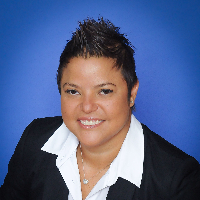


Betina Bolin
LCSWMissouri
- 16 yrs exp
Stress, Anxiety · Trauma and abuse · Self esteem · +13
View Profile
Stephen Richardson
LCSW, LISW-CPNorth Carolina
- 10 yrs exp
Stress, Anxiety · Relationship · Family · +17
View Profile






Valerie Marsh
LMFTMinnesota
- 23 yrs exp
Stress, Anxiety · Relationship · Trauma and abuse · +14
View Profile




Dr. Shelia Williamson Collins
LPC, LCPCNorth Carolina
- 18 yrs exp
Stress, Anxiety · Addictions · Trauma and abuse · +14
View Profile
George Joseph
LPC, LMHCFlorida
- 30 yrs exp
Stress, Anxiety · Relationship · Trauma and abuse · +15
View Profile




Brittany Vaughn
LCSWIllinois
- 12 yrs exp
Stress, Anxiety · Trauma and abuse · Parenting · +13
View Profile
Joseph Barnes
LMSWMichigan
- 26 yrs exp
Stress, Anxiety · Trauma and abuse · Self esteem · +17
View Profile

Dr. Jo Ann Lee
FL Psychologist PY5608Florida
- 30 yrs exp
Stress, Anxiety · Grief · Anger · +16
View Profile


Understanding eating disorders and how they affect people
Eating disorders are complex mental health conditions that involve persistent disturbances in eating behaviors and related thoughts and feelings. They can take many forms, including patterns of restriction, binge eating, compensatory behaviors and intense preoccupation with weight or body shape. These conditions do not look the same for everyone - some people present with dramatic changes in eating and weight, while others struggle in less visible ways that still cause significant distress.
The impact of an eating disorder can extend beyond food. You may notice changes in energy, mood, daily functioning, social life and concentration. Relationships with family members and friends are often affected, and work or school performance may decline. Because eating behaviors are tied to physical health, many people benefit from coordinated care that addresses both psychological and medical needs. Therapy often focuses on restoring a healthier relationship with food and body image, while also addressing the emotional issues that maintain disordered patterns.
Signs you might benefit from therapy for an eating disorder
If you are wondering whether therapy could help, there are a variety of signals that suggest professional support would be useful. Behavioral signs include persistent dieting or severe food restriction, frequent episodes of overeating followed by compensatory actions, preoccupation with calories or body size, ritualized eating patterns and avoidance of social situations that involve food. You may also notice physical changes such as fluctuations in weight, low energy, or gastrointestinal complaints that accompany altered eating habits.
Emotional and social signs are equally important. If you find that thoughts about food, weight or body image dominate your day, or that you use eating behaviors to cope with stress, anxiety or low mood, those are indicators that therapy could provide tools to change those patterns. You might experience heightened shame, secrecy, or withdrawal from loved ones. Family members and friends often see behavioral shifts before the person affected does, and their concerns can be a useful prompt to seek professional help. Reaching out for support early can help you access strategies to reduce distress and improve quality of life.
What to expect in therapy sessions focused on eating disorders
Therapy for eating disorders typically begins with an assessment that helps clarify your history, current patterns and goals for treatment. During that initial phase, a therapist will ask about eating behaviors, emotional triggers, medical history and social context. The assessment often informs a collaborative plan that identifies short-term steps and longer-term objectives. You can expect a mix of symptom-focused work and exploration of underlying thoughts and feelings that contribute to disordered eating.
Sessions usually blend skill-building with emotional processing. Early work often focuses on stabilizing patterns that are causing harm, such as normalizing eating rhythms or reducing behaviors that lead to physical risk. As you progress, therapy may shift toward addressing self-image, trauma, interpersonal dynamics or coping strategies that sustain unhealthy habits. Many therapists encourage a gradual approach with measurable goals so you can track changes over time. If you are working with other professionals, such as a medical provider or a registered dietitian, your therapist may help coordinate care to ensure consistent goals and messaging.
Common therapeutic approaches used for eating disorders
There are several approaches that therapists commonly use when working with eating disorders. Cognitive behavioral approaches are often used to help identify and change unhelpful thought patterns and behaviors related to food and body image. Dialectical behavior approaches may be offered to help with emotional regulation, distress tolerance and interpersonal effectiveness when intense emotions contribute to disordered eating. Family-based methods are frequently used when someone is younger or when family dynamics influence eating patterns; these approaches involve family members as active participants in supporting change.
In addition to those methods, you will find therapists who list acceptance and commitment approaches, interpersonal therapies and trauma-focused modalities among their approaches. Some therapists include techniques for addressing body image, mindfulness practices to reduce reactivity around food, or strategies that integrate medical and nutritional goals. It is common for therapy to be adapted over time - early-stage work may prioritize stabilization, while later stages focus on meaning, identity and long-term relapse prevention. When reviewing provider profiles, look for descriptions of the approaches they list and how those approaches are applied to eating disorder work so you can match an orientation to your preferences and needs.
How online therapy works for eating disorders and tips for choosing the right therapist
How online therapy works for eating disorders
Online therapy can offer a flexible way to connect with professionals who have experience with eating disorders. Sessions typically take place via video or audio, and some therapists supplement live sessions with text-based messaging or shared digital worksheets. The format allows you to access clinicians outside your immediate geographic area, which may increase the range of therapeutic styles and languages available to you. Many people find that online sessions reduce logistical barriers such as travel time and scheduling constraints, making it easier to maintain consistent care.
There are practical considerations specific to remote work. A therapist will usually discuss how to handle crises, privacy during sessions, and coordination with local medical resources if you need in-person medical attention or monitoring. If you live in an area where in-person dietary or medical care is needed, your therapist may recommend local providers to collaborate with. When starting online therapy, it is reasonable to ask potential providers about their experience working remotely with eating disorders, how they structure virtual sessions and how they coordinate with other members of the care team.
Tips for choosing the right therapist for eating disorders
Choosing a therapist is a personal process that balances clinical approach, interpersonal fit and practical logistics. Begin by identifying the qualities that matter most to you - for example, approaches that emphasize family involvement, trauma-informed care or a focus on body image and intuitive eating. When you read profiles, note how therapists describe their work with eating disorders and which approaches they list. That language can help you identify clinicians whose orientation aligns with your goals.
Consider the kinds of support you want beyond weekly sessions. Some therapists work closely with medical providers and dietitians, while others emphasize psychotherapy as the central component of care. Look at language in profiles about collaboration, specialties such as adolescent or adult care, and any focus on co-occurring conditions like anxiety or mood concerns. Trust your sense of rapport when you make contact - a good fit often comes down to feeling heard and understood. Finally, think about practical matters such as session format, language, cultural competence and how the therapist communicates about treatment planning. These factors will help you find a provider whose style and approach make it easier for you to engage and make progress.
Find Eating Disorders Therapists by State
Alabama
259 therapists
Alaska
30 therapists
Arizona
206 therapists
Arkansas
125 therapists
California
1521 therapists
Colorado
368 therapists
Connecticut
172 therapists
Delaware
52 therapists
District of Columbia
52 therapists
Florida
1786 therapists
Georgia
664 therapists
Hawaii
71 therapists
Idaho
106 therapists
Illinois
604 therapists
Indiana
301 therapists
Iowa
83 therapists
Kansas
123 therapists
Kentucky
190 therapists
Louisiana
373 therapists
Maine
72 therapists
Maryland
267 therapists
Massachusetts
242 therapists
Michigan
633 therapists
Minnesota
227 therapists
Mississippi
193 therapists
Missouri
462 therapists
Montana
92 therapists
Nebraska
94 therapists
Nevada
84 therapists
New Hampshire
46 therapists
New Jersey
419 therapists
New Mexico
96 therapists
New York
889 therapists
North Carolina
738 therapists
North Dakota
14 therapists
Ohio
425 therapists
Oklahoma
291 therapists
Oregon
129 therapists
Pennsylvania
603 therapists
Rhode Island
35 therapists
South Carolina
339 therapists
South Dakota
33 therapists
Tennessee
288 therapists
Texas
1770 therapists
Utah
150 therapists
Vermont
34 therapists
Virginia
355 therapists
Washington
224 therapists
West Virginia
52 therapists
Wisconsin
277 therapists
Wyoming
44 therapists