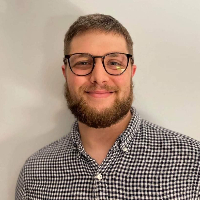
Michael White
Calm, practical support for everyday struggles
- Credentials
- LICSW
- Experience
- 10 years
- Licensed in
- Rhode Island, Massachusetts
- Languages
- English
- Format
- Online sessions
About Michael
Michael White is a licensed independent clinical social worker who offers straightforward, practical support for people feeling overwhelmed. He speaks plainly and focuses on what matters now. Many find his style helpful when stress, anxiety, grief, or life changes make day-to-day living harder.
He begins by listening and letting the person set the goals. Sessions feel collaborative - the client and therapist work as a team to pick the next steps.
Background and approach
Michael emphasizes real-world strategies that can be tried between meetings to ease symptoms and build confidence. Michael trained in approaches rooted in Cognitive Behavioral Therapy, Motivational Interviewing, and Solution-Focused Therapy. He also uses Acceptance and Commitment Therapy and a client-centered stance when helpful.
These methods help him tailor work to each person’s needs rather than forcing one fixed plan. Across a ten-year career he has worked in a range of settings, including inpatient psychiatric units and school-based counseling for high school students. That range informs his practical approach to problems like mood difficulties, addiction, and caregiver stress.
Sessions are offered by a Rhode Island clinician who holds an MA and the LICSW credential. He provides therapy in English and offers video calls, phone sessions, live chat, or text-based messaging through a subscription model. To begin, people complete a short matching questionnaire and schedule based on availability.
How Michael’s approaches translate to online therapy
Acceptance and Commitment Therapy, often called ACT, focuses on noticing thoughts and values so people can act toward what matters. It helps when worry, sadness, or unwanted thoughts keep someone from living the life they want. Cognitive Behavioral Therapy, or CBT, emphasizes practical skills to change unhelpful thinking and behavior patterns. It is useful for anxiety, depression, and many everyday problems. Motivational Interviewing is a gentle, goal-oriented way to boost a person’s readiness to change and is often used when making life shifts or addressing addictions.Choosing an approach is usually a collaborative process. The therapist will listen to your goals, try a method, and adjust based on what works. Clients often mix techniques from different approaches until they find a fit that feels natural and effective.
Online sessions can be done by video call, phone, live chat, or text-based messaging. These formats make it easier to meet around work, school, or caregiving demands and to continue work between appointments. Many people appreciate the flexibility of online formats for trying tools in real life and checking in more often when needed.
Acceptance and Commitment Therapy (ACT)
Less about arguing with difficult thoughts, more about loosening their grip and acting on what matters to you anyway. Values and committed action carry the work, which suits conversation at a distance.
Client-Centered Therapy
The direction comes from you rather than from a set programme. The therapist offers a warm, non-judgemental space to think out loud and work at your own pace. Online, this rests on the relationship rather than on being in the same room.
Cognitive Behavioral Therapy (CBT)
CBT looks at the link between what you think, how you feel, and what you do. You work on noticing unhelpful patterns and practising steadier responses. It suits online sessions well, because much of the work happens between appointments and can be talked through from anywhere.
Frequently asked questions
What concerns does he help with?
What is his therapy style like?
How long has he been practicing?
What are his credentials and where is he located?
Which languages are supported?
Can people outside the country work with him?
What session formats are available?
How do I start if I want to work with him?
Specialties and expertise
Top specialties
Also works with
- Addictions
- Anger management
- Bipolar disorder
- Career difficulties
- Caregiver issues and stress
- Coaching
- Communication problems
- Compassion fatigue
- Control issues
- Coping with life changes
- Depression
- Family conflicts
- Guilt and shame
- LGBT
- Life purpose
- Men's issues
- Mood disorders
- Relationship issues
- Seasonal Affective Disorder (SAD)
- Self-love
- Social anxiety and phobia
- Trauma and abuse
Therapeutic approaches
- Experience
- 10 years
- Licensed
- Rhode Island, Massachusetts
- Languages
- English
Next step
Talk to Michael
- Takes a few minutes
- Nothing to set up just to look
- Stop at any point