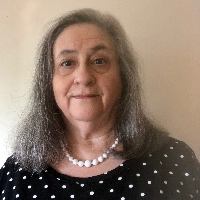
Velma Jones
LCSWNew York
- 29 yrs exp
Stress, Anxiety · Relationship · Trauma and abuse · +11
View ProfileThe therapist listings are provided by BetterHelp and we will earn a commission if you use our link - at no cost to you.
Explore therapists who focus on family of origin issues to better understand patterns that shape your relationships and choices. Browse the listings below to review professionals who highlight this specialty and find approaches that resonate with you.
New York
Stress, Anxiety · Relationship · Trauma and abuse · +11
View ProfileColorado
Stress, Anxiety · Relationship · Trauma and abuse · +13
View ProfileCalifornia
Stress, Anxiety · Relationship · Family · +10
View ProfileKansas
Stress, Anxiety · Relationship · Intimacy-related issues · +14
View ProfileFlorida
Relationship · Trauma and abuse · Grief · +13
View ProfileNew York
Stress, Anxiety · Addictions · Trauma and abuse · +12
View ProfileNorth Carolina
Stress, Anxiety · Relationship · Family · +17
View ProfileSouth Carolina
Stress, Anxiety · Addictions · Family · +4
View ProfileFlorida
Stress, Anxiety · Relationship · Trauma and abuse · +15
View ProfileTexas
Stress, Anxiety · Relationship · Trauma and abuse · +16
View ProfileFamily of origin issues refers to patterns, beliefs, roles and dynamics that you absorbed growing up and that continue to influence how you relate to yourself and others. These influences can include expectations about emotional expression, rules about conflict, caretaking roles, cultural or religious values and the ways attachment was formed with caregivers. You do not need to have experienced extreme events to be affected; everyday interactions, repeated messages and family norms can shape your sense of identity and your relationship habits.
When family of origin patterns are unresolved, you may notice recurring themes in relationships, work and parenting. You might find yourself repeating the same conflicts, feeling uncertain about emotional boundaries, or defaulting to particular roles under stress. Some people discover their career or partner choices reflect an attempt to recreate or avoid family dynamics. Because these influences often operate below conscious awareness, you may feel puzzled by strong emotional reactions or persistent dissatisfaction until you look at the earlier family context.
You might consider therapy if you find that family patterns interfere with your goals or well-being. This can look like difficulty forming or sustaining close relationships, recurring conflict that mirrors family fights, or feeling trapped by inherited expectations. You may notice avoidant or reactive behaviors that seem out of proportion to present circumstances. People also seek support when parenting feels overwhelming because of unresolved issues from their own upbringing, or when life transitions bring old wounds back into view.
Therapy can be helpful when these patterns limit your choices, create distress, or get in the way of relationships you value. You do not need to wait for a crisis. Many people come to therapy wanting to understand how their past shapes their present and to build different ways of relating. It is also common to begin therapy with a specific relationship concern - for example communication struggles with a partner or family member - and discover that examining family of origin dynamics helps explain what keeps the pattern going.
In the first phase of therapy you can expect conversations that explore your family history, early relationships and important events that left an emotional imprint. Your therapist will likely ask about patterns that repeat across relationships, your emotional responses to stress, and the messages you received about needs and boundaries. These early sessions are about building an understanding of the context that shaped your habits and reactions rather than assigning blame.
As therapy progresses, you will often move from understanding to experimentation. That means identifying specific patterns you want to change, practicing new ways of relating, and testing different emotional responses in the safety of the therapeutic relationship. Some people work on shifting expectations, setting firmer boundaries, or repairing attachment injuries. Others focus on making different choices in relationships, parenting, or work that reflect values rather than inherited scripts. Therapy can also involve processing emotions tied to loss, disappointment or unmet needs from childhood in ways that allow you to move forward.
Therapists bring a range of approaches to this work, and you will find professionals who emphasize different pathways to change. Some therapists focus on exploring unconscious patterns and early attachments to make sense of recurring behaviors. Others emphasize skill-building - learning communication strategies, boundary-setting and emotion regulation that alter how you show up in relationships. Narrative approaches invite you to reframe the stories you tell about your family and your role within it. Family systems perspectives look at how roles and rules function across generations and how you are connected to broader patterns.
When you review listings, you will see therapists list various approaches. For example, you may find practitioners who list family systems, psychodynamic, cognitive-behavioral, narrative approaches, internal family models such as those sometimes called IFS, or trauma-focused methods. The presence of an approach on a profile indicates that the therapist uses or references it in their work; it is not an endorsement of specific credentials. Thinking about which approaches resonate with you can help narrow your search, since different methods emphasize insight, skills, emotion processing or relational change in distinct ways.
Online therapy for family of origin issues typically takes place through video sessions, phone calls, or messaging platforms depending on the therapist's practice. These formats allow you to work from a comfortable environment and can make it easier to access therapists who specialize in this area even if they are not local to you. Many people find that the convenience of remote sessions helps them stay consistent with therapy, which is important when addressing patterns that developed over many years.
Not all techniques translate the same way to an online format, but many therapists adapt interventions to fit video or phone sessions. You can still expect reflective exploration, skill practice and emotionally-focused work. For some exercises that involve family members, therapists may facilitate remote family sessions when that fits your goals and comfort. When considering online therapy you can ask about how a therapist structures sessions, what kinds of exercises they use remotely, and how they handle moments of strong emotion over a call.
Begin by clarifying what you hope to address - whether it is patterns in romantic relationships, the impact of parenting you received, intergenerational dynamics, or reactions to specific family events. Knowing your priorities helps you look for therapists who mention similar focus areas on their profiles. Consider whether you want a therapist who emphasizes insight into early experiences, someone oriented toward practical skills, or a professional who blends approaches to both explore and change patterns.
When reviewing profiles, pay attention to the approaches a therapist lists, the credentials they hold, languages they offer, and any notes about populations they work with such as adult children of parents with addiction, people navigating estrangement, or those negotiating blended family roles. Language and cultural context can matter a great deal when family values play a central role in the work. A therapist who describes experience with cross-cultural family dynamics or with multigenerational issues may better understand the specific pressures you face.
Think about logistics beyond therapeutic style - session format, whether a clinician offers video or phone, and whether their communication style feels like a match when you read their profile. Many people find an initial conversation helpful to get a sense of rapport and whether the therapist's approach aligns with their goals. As you engage in therapy, pay attention to whether you feel understood, whether the pace suits you, and whether the work helps you notice different choices in relationships. Good fit often comes from both shared perspective and a practical structure that supports consistent progress.
Family of origin work can be subtle and transformative. By learning how patterns formed, experimenting with new responses and choosing supports that match your needs, you can change the way past influences shape your present life. Use the listings on this page to explore therapists who highlight family of origin issues and to find approaches and backgrounds that resonate with your journey.
Alabama
259 therapists
Alaska
30 therapists
Arizona
206 therapists
Arkansas
125 therapists
California
1521 therapists
Colorado
368 therapists
Connecticut
172 therapists
Delaware
52 therapists
District of Columbia
52 therapists
Florida
1786 therapists
Georgia
664 therapists
Hawaii
71 therapists
Idaho
106 therapists
Illinois
604 therapists
Indiana
301 therapists
Iowa
83 therapists
Kansas
123 therapists
Kentucky
190 therapists
Louisiana
373 therapists
Maine
72 therapists
Maryland
267 therapists
Massachusetts
242 therapists
Michigan
633 therapists
Minnesota
227 therapists
Mississippi
193 therapists
Missouri
462 therapists
Montana
92 therapists
Nebraska
94 therapists
Nevada
84 therapists
New Hampshire
46 therapists
New Jersey
419 therapists
New Mexico
96 therapists
New York
889 therapists
North Carolina
738 therapists
North Dakota
14 therapists
Ohio
425 therapists
Oklahoma
291 therapists
Oregon
129 therapists
Pennsylvania
603 therapists
Rhode Island
35 therapists
South Carolina
339 therapists
South Dakota
33 therapists
Tennessee
288 therapists
Texas
1770 therapists
Utah
150 therapists
Vermont
34 therapists
Virginia
355 therapists
Washington
224 therapists
West Virginia
52 therapists
Wisconsin
277 therapists
Wyoming
44 therapists