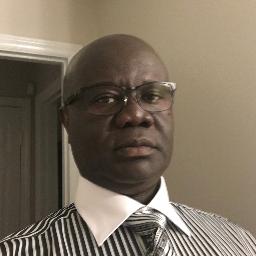
Dr. Agyenim Akuamoah-Boateng
Compassionate clinician focused on practical recovery
- Credentials
- LCMHC
- Experience
- 23 years
- Licensed in
- North Carolina
- Languages
- English
- Format
- Online sessions
About Agyenim
Dr. Agyenim Akuamoah-Boateng is a Licensed Clinical Mental Health Counselor (LCMHC) based in North Carolina with 23 years of experience. He has worked in mental health and substance use fields since 1998 and has been a licensed personal practitioner since 2001.
He offers practical support for people facing stress, anxiety, depression, grief, addictions, and related concerns. Sessions focus on clear goals and real skills that people can use between meetings.
Background and approach
His background includes long experience with co-occurring medical, mental health, and substance use challenges. He draws on many approaches to meet each person's situation. In conversation he aims to help clients set achievable goals and build confidence to reach them.
In sessions he uses tools from Cognitive Behavioral Therapy, Acceptance and Commitment Therapy, and client-centered work to help with symptoms and daily coping. He also uses techniques from Dialectical Behavior Therapy for emotion regulation and from Attachment-Based Therapy when relationship patterns matter. He offers therapy by video, phone, live chat, and text-based messaging.
Sessions are arranged through a subscription model that can be canceled at any time. Sessions are conducted in English and he accepts international clients. Dr.
Akuamoah-Boateng emphasizes practical recovery skills for people quitting or reducing substance use, and he supports those dealing with trauma and complicated grief. He aims to work with each person to find steps that feel realistic and sustainable.
Evidence-based approaches and online care
Acceptance and Commitment Therapy (ACT) helps people notice difficult thoughts and feelings without getting stuck in them. It focuses on values and taking small steps toward a meaningful life, which can help with anxiety, depression, and trauma-related struggles.Cognitive Behavioral Therapy (CBT) looks at the links between thoughts, feelings, and actions. It teaches practical strategies to change unhelpful thinking and behavior patterns, useful for anxiety, mood problems, and addiction-related habits.
Attachment-Based Therapy pays attention to how early relationship patterns shape current connections and reactions. It can be helpful when relationship, intimacy, or attachment issues affect daily life.
Finding the right approach is a shared process. The therapist will work together with each person to choose or mix methods based on individual goals, needs, and preferences. Treatment plans can change as progress is made and priorities shift.
Online therapy offers flexible ways to get support through video calls, phone sessions, live chat, or text-based messaging. These options make it easier to fit work on skills and recovery into a busy schedule and to stay connected during transitions or travel. Many people find the variety of formats helpful for practicing new strategies between sessions.
Acceptance and Commitment Therapy (ACT)
Less about arguing with difficult thoughts, more about loosening their grip and acting on what matters to you anyway. Values and committed action carry the work, which suits conversation at a distance.
Attachment-Based Therapy
Looks at how early bonds shaped what you expect from closeness, and how that plays out now with a partner, a parent, or your own children.
Client-Centered Therapy
The direction comes from you rather than from a set programme. The therapist offers a warm, non-judgemental space to think out loud and work at your own pace. Online, this rests on the relationship rather than on being in the same room.
Frequently asked questions
What kinds of concerns does he address?
What is his therapeutic style like?
How much experience does he have?
What are his credentials and where is he located?
Which languages are sessions offered in?
In what formats can therapy take place?
How does billing and cost work?
How do I begin working with him?
Specialties and expertise
Top specialties
Also works with
- Abandonment
- ADHD
- Aging and geriatric issues
- Anger management
- Attachment issues
- Avoidant personality
- Bipolar disorder
- Body image
- Career difficulties
- Caregiver issues and stress
- Co-morbidity
- Coaching
- Codependency
- Communication problems
- Compassion fatigue
- Coping with life changes
- Coping with natural or human-caused disaster
- Depression
- Disruptive Mood Dysregulation Disorder (DMDD)
- Domestic violence
- Drug and alcohol addiction
- Emptiness
- Family conflicts
- Family problems
- Fatherhood issues
- Forgiveness
- Grief
- Guilt and shame
- Impulsivity
- Infidelity
- Intimacy-related issues
- Isolation / loneliness
- LGBT
- Life purpose
- Men's issues
- Midlife crisis
- Mood disorders
- Multicultural concerns
- Narcissism
- Obsessions, compulsions, and OCD
- Panic disorder and panic attacks
- Phobias
- Post-traumatic stress
- Postpartum depression
- Process addiction (porn, exercise, gambling)
- Relationship issues
- Self esteem
- Self-love
- Sex addiction
- Sleeping disorders
- Social anxiety and phobia
- Veteran and Armed Forces Issues
- Workplace issues
- Young adult issues
Therapeutic approaches
- Acceptance and Commitment Therapy (ACT)
- Attachment-Based Therapy
- Client-Centered Therapy
- Cognitive Behavioral Therapy (CBT)
- Dialectical Behavior Therapy (DBT)
- Emotionally-Focused Therapy (EFT)
- Gottman Method
- Jungian Therapy
- Mindfulness Therapy
- Motivational Interviewing
- Narrative Therapy
- Psychodynamic Therapy
- Solution-Focused Therapy
- Trauma-Focused Therapy
- Experience
- 23 years
- Licensed
- North Carolina
- Languages
- English
Next step
Talk to Agyenim
- Takes a few minutes
- Nothing to set up just to look
- Stop at any point