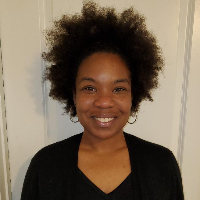
Dr. Lakisha Ellison
Practical, family-focused social work support
- Credentials
- LCSW
- Experience
- 15 years
- Licensed in
- North Carolina
- Languages
- English
- Format
- Online sessions
About Lakisha
Dr. Lakisha Ellison is a Licensed Clinical Social Worker (LCSW) based in North Carolina who focuses on family and parenting concerns among other issues. She brings 15 years of clinical experience and a down-to-earth approach that aims to make hard conversations feel manageable.
Parents often meet her when they are coping with anxiety, trauma, relationship stress, or questions about attachment and behavior. She speaks English and frames work in straightforward terms so busy families can follow along.
Background and approach
Her style is client-centered and strengths-based. She listens first, then helps families name practical next steps. She regularly uses cognitive behavioral techniques to teach skills that can be practiced between sessions.
Emotionally-focused and attachment-based ideas also inform how she helps caregivers improve connections with children. Dr. Ellison began working in social work in 2005, initially supporting children and families facing abuse, neglect, domestic violence, and substance-related concerns.
Over her career she has supported people dealing with grief, bipolar disorder, ADHD, and the lasting effects of adverse childhood experiences. That history shapes how she assesses safety and family dynamics today. She also works with LGBT clients and attends to how race, gender, and sexuality intersect with family life when that is relevant to a client.
Her approach blends practical skill-building with attention to emotional experience. Parents can expect a mix of teaching, reflection, and concrete problem solving. To begin, she asks about each family member's needs and priorities and then co-creates goals.
She emphasizes realistic steps families can try between sessions. Her license is NC LCSW C006571 and she practices from North Carolina.
Therapeutic approaches that translate to online care
Attachment-Based Therapy focuses on building supported emotional bonds between caregivers and children. It looks at interaction patterns and helps caregivers respond in ways that increase trust and closeness, which can ease behavior and relationship problems.Client-Centered Therapy centers on active listening and respect for each person's perspective. The therapist follows the family's lead, offering support and reflection so parents and children can find their own solutions to challenges.
Cognitive Behavioral Therapy, or CBT, teaches concrete skills to change unhelpful thoughts and behaviors. It is useful for anxiety, mood difficulties, and parenting challenges because it provides clear exercises families can practice between sessions.
Choosing the right approach is a collaborative process. The therapist will discuss goals, preferences, and what has or has not worked in the past, then recommend methods to try together. Adjustments are made as needed so the work fits the family's life.
Online therapy offers flexibility for busy households. Video calls allow face-to-face conversation and observation of family interactions, while phone sessions, live chat, and text messaging make it easier to fit short check-ins into a schedule. These options help families stay consistent with sessions and practice skills between meetings.
Attachment-Based Therapy
Looks at how early bonds shaped what you expect from closeness, and how that plays out now with a partner, a parent, or your own children.
Client-Centered Therapy
The direction comes from you rather than from a set programme. The therapist offers a warm, non-judgemental space to think out loud and work at your own pace. Online, this rests on the relationship rather than on being in the same room.
Cognitive Behavioral Therapy (CBT)
CBT looks at the link between what you think, how you feel, and what you do. You work on noticing unhelpful patterns and practising steadier responses. It suits online sessions well, because much of the work happens between appointments and can be talked through from anywhere.
Frequently asked questions
What concerns does she address related to family life?
How would you describe her therapeutic style?
What is her clinical background and experience?
What are her credentials and where is she based?
Which languages are offered for sessions?
What session formats are available?
How are costs handled for sessions?
How do I get started with therapy?
Specialties and expertise
Top specialties
- LGBT
- Relationship issues
- Family conflicts
Also works with
- Abandonment
- ADHD
- Adoption and foster care
- Attachment issues
- Bipolar disorder
- Blended family issues
- Career difficulties
- Codependency
- Commitment issues
- Communication problems
- Control issues
- Coping with life changes
- Coping with natural or human-caused disaster
- Divorce and separation
- Domestic violence
- Family of origin issues
- Family problems
- Fatherhood issues
- First responder issues
- Forgiveness
- Gender dysphoria
- Guilt and shame
- Infidelity
- Intimacy-related issues
- Men's issues
- Midlife crisis
- Money and financial issues
- Multicultural concerns
- Panic disorder and panic attacks
- Parenting issues
- Post-traumatic stress
- Prejudice and discrimination
- Sexual assault and abuse
- Sexuality
- Social anxiety and phobia
- Stress, Anxiety
- Trauma and abuse
- Veteran and Armed Forces Issues
- Women's issues
- Workplace issues
- Young adult issues
Therapeutic approaches
- Attachment-Based Therapy
- Client-Centered Therapy
- Cognitive Behavioral Therapy (CBT)
- Dialectical Behavior Therapy (DBT)
- Emotionally-Focused Therapy (EFT)
- Eye Movement Desensitization and Reprocessing (EMDR)
- Mindfulness Therapy
- Motivational Interviewing
- Narrative Therapy
- Solution-Focused Therapy
- Trauma-Focused Therapy
- Experience
- 15 years
- Licensed
- North Carolina
- Languages
- English
Next step
Talk to Lakisha
- Takes a few minutes
- Nothing to set up just to look
- Stop at any point