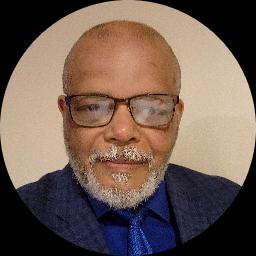
Paul Jones
Compassionate, practical support for everyday family stress
- Credentials
- LCSW
- Experience
- 8 years
- Licensed in
- North Carolina
- Languages
- English
- Format
- Online sessions
About Paul
Paul Jones is a Licensed Clinical Social Worker who practices in North Carolina. He holds the LCSW credential and has eight years of clinical experience supporting people facing stress, anxiety, trauma and abuse, parenting challenges, anger, addictions, and related problems. He offers straightforward help for everyday struggles and aims to make therapy understandable and useful.
Paul emphasizes a person-centered style that draws on attachment ideas and practical skills. He listens first to what a person is dealing with and then works with them to build realistic strategies.
Background and approach
Sessions focus on clear steps people can try between meetings to reduce stress and improve coping. His background includes work across several life areas, such as self-esteem, relationships, career changes, depression, and ADHD. He also addresses concerns tied to abandonment, caregiver stress, blended family issues, and aging.
That range lets him match tools to a variety of situations. In sessions he uses techniques from cognitive behavioral therapy and dialectical behavior therapy alongside mindfulness practices. Those tools help people notice unhelpful thoughts, manage strong emotions, and build healthier habits.
The intent is practical change rather than labels. Therapy conversations are collaborative. He helps people set clear goals and then tracks small steps toward them.
Parents who are worried about daily routines, stress, or behavior patterns can find concrete options to try and refine over time.
Practical approaches for online family and parenting support
Paul often uses cognitive behavioral therapy, which helps people identify unhelpful thoughts and test new ways of thinking and acting. CBT is useful for anxiety, stress, low mood, and behavior patterns that affect daily life.He also draws on attachment-based work that looks at how relationships shape emotions and behavior. This approach can help people understand patterns in close ties and improve how they connect and communicate.
Finding the right approach is part of therapy. Paul works collaboratively to choose methods that match a person's goals, needs, and preferences. He adjusts tools over time so sessions stay practical and relevant.
Online therapy offers ways to fit help into busy lives. Video calls let conversations feel close to in-person meetings, while phone sessions give a simpler option. Live chat and text-based messaging can be useful for shorter check-ins and skill practice between sessions. These formats make it easier to get consistent support and try new strategies in real time.
Attachment-Based Therapy
Looks at how early bonds shaped what you expect from closeness, and how that plays out now with a partner, a parent, or your own children.
Client-Centered Therapy
The direction comes from you rather than from a set programme. The therapist offers a warm, non-judgemental space to think out loud and work at your own pace. Online, this rests on the relationship rather than on being in the same room.
Cognitive Behavioral Therapy (CBT)
CBT looks at the link between what you think, how you feel, and what you do. You work on noticing unhelpful patterns and practising steadier responses. It suits online sessions well, because much of the work happens between appointments and can be talked through from anywhere.
Frequently asked questions
What kinds of concerns does Paul address?
How would you describe his approach in sessions?
What is his professional background?
What are his credentials and where is he based?
In which languages are sessions available?
What session formats are offered?
How are costs and billing handled?
How do I begin if I want to work with him?
Specialties and expertise
Top specialties
- Stress, Anxiety
- Trauma and abuse
- Parenting issues
Also works with
- Abandonment
- Addictions
- ADHD
- Aging and geriatric issues
- Anger management
- Attachment issues
- Blended family issues
- Career difficulties
- Caregiver issues and stress
- Commitment issues
- Communication problems
- Coping with life changes
- Coping with natural or human-caused disaster
- Depression
- Divorce and separation
- Domestic violence
- Family conflicts
- Family problems
- Impulsivity
- Infidelity
- Life purpose
- Men's issues
- Mood disorders
- Multicultural concerns
- Narcissism
- Post-traumatic stress
- Prejudice and discrimination
- Relationship issues
- Self esteem
- Self-harm
- Sex addiction
- Sexual assault and abuse
- Social anxiety and phobia
- Traumatic brain injury
- Veteran and Armed Forces Issues
- Young adult issues
Therapeutic approaches
- Experience
- 8 years
- Licensed
- North Carolina
- Languages
- English
Next step
Talk to Paul
- Takes a few minutes
- Nothing to set up just to look
- Stop at any point