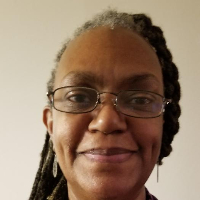
Pamela Byrd
Compassionate clinician for family and parenting needs
- Credentials
- MD, LCPC
- Experience
- 25 years
- Licensed in
- Maryland
- Languages
- English
- Format
- Online sessions
About Pamela
Pamela Byrd is a licensed clinician who focuses on family and parenting concerns alongside a wide range of emotional and behavioral issues. She brings 25 years of hands-on experience to each session and uses practical approaches to help people manage stress, anxiety, grief, depression, addiction-related struggles, and relationship or intimacy worries.
Pamela trained at Johns Hopkins University and built a practice in Baltimore, Maryland, where she also led trainings and public presentations.
Background and approach
Her style is straightforward and skill-based. Sessions often focus on changing unhelpful thoughts and behaviors, building clearer communication, and creating concrete steps people can try between appointments. She mixes cognitive behavioral tools with mindfulness and acceptance-based techniques, and she uses motivational interviewing when helping people with substance or behavioral dependencies.
Pamela also brings experience as a clinical supervisor and workshop facilitator. She has worked with professionals and community groups and has presented nationally and internationally over her career. Her background includes grief counseling, anger and stress management, conflict resolution, and support for gambling and substance dependence.
In a typical meeting she listens first, then suggests small, manageable practices to try at home. She emphasizes whole-person recovery that includes emotional, mental, and practical changes. Pamela uses a combination of therapy methods to match what each person finds most helpful.
Sessions are provided in English and are offered through various online formats. Clients learn how tools like thought records, values-based steps, and mindful awareness can apply to everyday parenting and family situations. Pamela’s approach aims to make therapy understandable and usable for busy lives.
Therapeutic approaches that translate well online
Acceptance and Commitment Therapy (ACT) helps people clarify what matters to them and take small steps toward those values despite painful thoughts or feelings. It is useful for stress, anxiety, depression, and coping with life changes by focusing on action tied to personal values.Cognitive Behavioral Therapy (CBT) looks at the links between thoughts, feelings, and actions and teaches straightforward tools to test and change unhelpful thinking patterns. CBT is commonly used for anxiety, depression, and problems with coping and behavior.
Mindfulness-based techniques teach simple awareness exercises to reduce reactivity and improve focus. These practices pair well with other approaches to help manage stress and emotional overwhelm.
Choosing the right approach is a team process. Pamela will work with each person to figure out which methods fit their goals, needs, and preferences. She often combines techniques and checks in regularly to adjust the plan as progress is made.
Online therapy offers practical flexibility for busy schedules. Video sessions let therapists and clients work face to face when helpful, while phone, live chat, and text-based messaging provide shorter or more frequent contact as needed. These options make it easier to practice skills between sessions and keep therapy integrated with everyday family and parenting routines.
Acceptance and Commitment Therapy (ACT)
Less about arguing with difficult thoughts, more about loosening their grip and acting on what matters to you anyway. Values and committed action carry the work, which suits conversation at a distance.
Client-Centered Therapy
The direction comes from you rather than from a set programme. The therapist offers a warm, non-judgemental space to think out loud and work at your own pace. Online, this rests on the relationship rather than on being in the same room.
Cognitive Behavioral Therapy (CBT)
CBT looks at the link between what you think, how you feel, and what you do. You work on noticing unhelpful patterns and practising steadier responses. It suits online sessions well, because much of the work happens between appointments and can be talked through from anywhere.
Frequently asked questions
What concerns does Pamela address?
What is her overall therapeutic style?
How long has she practiced?
What credentials and location are listed?
Which languages and international options are available?
What session formats does she use?
How does payment and cost work?
How do I begin therapy with her?
Specialties and expertise
Top specialties
- Stress, Anxiety
- Addictions
- Relationship issues
Also works with
- Anger management
- Antisocial personality
- Bipolar disorder
- Blended family issues
- Cancer
- Career difficulties
- Codependency
- Commitment issues
- Communication problems
- Compassion fatigue
- Control issues
- Coping with life changes
- Coping with natural or human-caused disaster
- Depression
- Divorce and separation
- Drug and alcohol addiction
- Family conflicts
- Forgiveness
- Grief
- Guilt and shame
- Intimacy-related issues
- Isolation / loneliness
- LGBT
- Midlife crisis
- Multicultural concerns
- Parenting issues
- Post-traumatic stress
- Prejudice and discrimination
- Self esteem
- Self-love
- Trauma and abuse
- Workplace issues
Therapeutic approaches
- Experience
- 25 years
- Licensed
- Maryland
- Languages
- English
Next step
Talk to Pamela
- Takes a few minutes
- Nothing to set up just to look
- Stop at any point