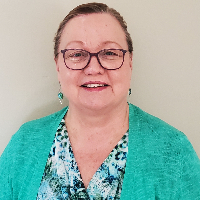
Dr. Susan Murati
Empathetic counselor offering practical tools
- Credentials
- LMHC, LCMHC
- Experience
- 19 years
- Licensed in
- Massachusetts, New Hampshire
- Languages
- English
- Format
- Online sessions
About Susan
Dr. Susan Murati uses evidence-based approaches to help people manage stress, anxiety, depression, and life changes. She combines practical skills with compassionate listening to make therapy feel approachable and useful.
Susan holds a Master of Arts and is licensed as a mental health counselor in New Hampshire and Massachusetts. MA LMHC 9746, NH LCMHC 2590. She brings 19 years of counseling experience to each session.
Her style is warm and interactive.
Background and approach
Sessions focus on real problems and simple steps clients can try between meetings. She avoids stigmatizing labels and treats each person with respect and sensitivity. Clinically, she blends cognitive behavioral techniques with acceptance and commitment ideas and narrative work.
That mix helps people change unhelpful thoughts, clarify values, and rewrite painful stories from the past. Motivational interviewing and supportive strategies are used when people need help finding purpose or direction. Susan has worked with a wide range of concerns including trauma and abuse, ADHD, addictions, grief, anger, relationship strain, self-esteem, and workplace stress.
She also addresses issues like communication problems, family of origin themes, guilt and shame, and multicultural concerns. If someone wants straightforward coaching on life transitions or tools to cope with panic and social anxiety, she offers practical techniques and ongoing support. Sessions emphasize collaboration, small experiments, and building skills that last.
How her approaches translate to online therapy
Acceptance and Commitment Therapy (ACT) helps people notice difficult thoughts and feelings without getting ruled by them, then focus on actions that match their values. Cognitive Behavioral Therapy (CBT) teaches practical skills to change unhelpful thinking and build coping strategies for anxiety, panic, depression, and workplace stress. Dialectical Behavior Therapy (DBT) techniques can be used to teach emotion regulation and distress tolerance when feelings are intense.Choosing the right approach is part of the process. The therapist works collaboratively to match methods to a person's goals, preferences, and daily life. That means trying tools together, checking what helps, and adjusting the plan as needed.
Online sessions offer flexibility through video calls, phone sessions, live chat, and text-based messaging. These formats make it easier to fit therapy into busy schedules, practice skills between sessions, and stay connected during life transitions. Licensed professionals can guide people through exercises, coach them on real-world steps, and keep focused work moving forward even when meeting remotely.
Acceptance and Commitment Therapy (ACT)
Less about arguing with difficult thoughts, more about loosening their grip and acting on what matters to you anyway. Values and committed action carry the work, which suits conversation at a distance.
Client-Centered Therapy
The direction comes from you rather than from a set programme. The therapist offers a warm, non-judgemental space to think out loud and work at your own pace. Online, this rests on the relationship rather than on being in the same room.
Cognitive Behavioral Therapy (CBT)
CBT looks at the link between what you think, how you feel, and what you do. You work on noticing unhelpful patterns and practising steadier responses. It suits online sessions well, because much of the work happens between appointments and can be talked through from anywhere.
Frequently asked questions
What kinds of problems does she help with?
What is her therapy style like?
How much experience does she have?
What credentials and where is she licensed?
Which languages are sessions offered in?
Can she work with clients outside the U.S.?
What session formats does she use?
How do I begin therapy with her?
Specialties and expertise
Top specialties
- Stress, Anxiety
- Family conflicts
- Trauma and abuse
Also works with
- Addictions
- ADHD
- Anger management
- Bipolar disorder
- Career difficulties
- Coaching
- Communication problems
- Compassion fatigue
- Coping with life changes
- Depression
- Family of origin issues
- Family problems
- Forgiveness
- Grief
- Guilt and shame
- Intimacy-related issues
- Isolation / loneliness
- Life purpose
- Midlife crisis
- Multicultural concerns
- Panic disorder and panic attacks
- Prejudice and discrimination
- Relationship issues
- Self esteem
- Self-love
- Social anxiety and phobia
- Women's issues
- Workplace issues
- Young adult issues
Therapeutic approaches
- Experience
- 19 years
- Licensed
- Massachusetts, New Hampshire
- Languages
- English
Next step
Talk to Susan
- Takes a few minutes
- Nothing to set up just to look
- Stop at any point