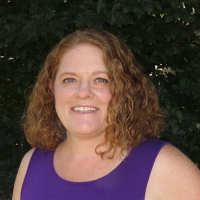
Jennifer Branin
Compassionate, practical help for serious concerns
- Credentials
- LCMHC
- Experience
- 13 years
- Licensed in
- Utah
- Languages
- English
- Format
- Online sessions
About Jennifer
Jennifer Branin is a licensed clinical mental health counselor (LCMHC) based in Utah. She supports people facing stress, anxiety, addiction, trauma, depression, and related concerns. Her approach is direct and compassionate.
She listens carefully and responds without judgment. She starts by asking what the person hopes to change. Sessions focus on practical steps like changing unhelpful thoughts and building healthier habits.
She also helps people process traumatic events and cope with compassion fatigue and grief.
Background and approach
Her work uses evidence-based methods such as Cognitive Behavioral Therapy, Dialectical Behavior Therapy, and Eye Movement Desensitization and Reprocessing. She integrates mindfulness and motivational interviewing to encourage steady progress. These methods are chosen to match each person's goals and situation.
Jennifer has more than 13 years of experience working with addiction, first responder concerns, mood and personality disorders, domestic violence, and various forms of abuse. She draws on that background to offer clear guidance and concrete tools during sessions. In appointments she listens to the story, asks about goals, shares observations, and gently challenges patterns that get in the way.
Her aim is to help people move toward recovery and better day-to-day functioning. She encourages small, achievable changes that add up over time.
How Jennifer blends proven approaches in online care
Jennifer commonly uses Cognitive Behavioral Therapy and Eye Movement Desensitization and Reprocessing in her practice. CBT focuses on identifying and changing unhelpful thoughts and behaviors to reduce symptoms like anxiety and depression. EMDR helps people process distressing memories and traumatic experiences so those memories feel less disruptive.She also draws on elements of Dialectical Behavior Therapy to teach emotion regulation and coping skills when needed. Together these approaches give a mix of practical skill-building and trauma processing. Deciding which methods to use is a collaborative process where the therapist and client choose what fits the persons goals and comfort level.
Online sessions are offered as video calls, phone sessions, live chat, or text-based messaging to fit different schedules and needs. This flexibility makes it easier to connect from home, take therapy between other obligations, and use shorter check-ins when that helps. The therapist will work with each person to find the format and approaches that best support steady progress.
Cognitive Behavioral Therapy (CBT)
CBT looks at the link between what you think, how you feel, and what you do. You work on noticing unhelpful patterns and practising steadier responses. It suits online sessions well, because much of the work happens between appointments and can be talked through from anywhere.
Dialectical Behavior Therapy (DBT)
Concrete skills for riding out strong emotion, tolerating distress, and handling relationships without things escalating. The skills are practised in daily life, so between-session support by message or phone fits naturally.
EMDR
A structured protocol used with distressing memories, pairing recall with guided attention tasks. Some therapists adapt it for video sessions; whether that fits is worth asking about directly.
Frequently asked questions
What kinds of concerns does she address?
How would you describe her therapeutic style?
What experience does she bring?
What are her credentials and where is she located?
Which languages are supported and can international clients work together?
What session formats are available?
How is cost handled?
How do I get started with her?
Specialties and expertise
Top specialties
Also works with
- ADHD
- Anger management
- Antisocial personality
- Bipolar disorder
- Codependency
- Compassion fatigue
- Control issues
- Depression
- Disruptive Mood Dysregulation Disorder (DMDD)
- Domestic violence
- Drug and alcohol addiction
- Eating disorders
- Family conflicts
- First responder issues
- Grief
- Guilt and shame
- LGBT
- Mood disorders
- Personality disorders
- Polyamory / non-monogamous relationships
- Post-traumatic stress
- Process addiction (porn, exercise, gambling)
- Relationship issues
- Self esteem
- Sexual assault and abuse
- Sleeping disorders
- Veteran and Armed Forces Issues
Therapeutic approaches
- Experience
- 13 years
- Licensed
- Utah
- Languages
- English
Next step
Talk to Jennifer
- Takes a few minutes
- Nothing to set up just to look
- Stop at any point