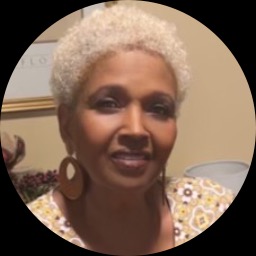
Audrey Burke-Wardlaw
Guided, practical support for life and relationships
- Credentials
- LPC
- Experience
- 25 years
- Licensed in
- Georgia
- Languages
- English
- Format
- Online sessions
About Audrey
Audrey Burke-Wardlaw is a Licensed Professional Counselor (LPC) with 25 years of practice. She works with people facing stress, anxiety, depression, trauma and abuse, relationship and intimacy issues, parenting challenges, grief, and mood conditions such as bipolar disorder. Her approach is practical and person-focused, aimed at helping someone feel steadier in daily life.
She writes simply and meets people where they are without judgement. Audrey has worked across clinical settings including outpatient clinics, hospitals, community programs, and home-based services.
Background and approach
That range informs how she blends techniques to fit each person rather than using one fixed method. She stays current with new practices and draws from several evidence-based approaches depending on need. In sessions she emphasizes trust, respect, and unconditional positive regard.
The client’s perspective guides the work and Audrey treats each person as the expert on their own life. She aims to build a collaborative relationship that supports change at the client’s pace. Her toolkit includes cognitive and behavioral strategies, mindfulness skills, and skills from dialectical behavior therapy when needed.
She also uses client-centered and existential ideas to help people make sense of life transitions and choices. Sessions are aimed at practical coping, clearer communication, and improved self-understanding. Audrey practices in Georgia and conducts work in English.
She offers several formats for connecting and tailors the mix of methods to what an individual needs and prefers.
Online approaches that support daily life and relationships
Client-Centered Therapy focuses on listening with empathy and respect so the client can explore their own values and choices. It helps when someone needs a supportive space to sort feelings and make decisions. Cognitive Behavioral Therapy, or CBT, teaches practical skills to change unhelpful thoughts and behaviors. It is often used for anxiety, depression, and stress and includes clear, skill-based practice between sessions. Dialectical Behavior Therapy, DBT, offers tools for emotion regulation, distress tolerance, and improving relationships. Those skills can be useful for intense mood swings, anger, or ongoing relationship stress.Finding the right approach is part of the work together. The therapist will discuss goals, preferences, and what has or hasn’t worked before. Then she will suggest and adapt methods so they match the client’s needs in a collaborative way rather than imposing a single plan.
Online formats include video calls, phone sessions, live chat, and text-based messaging to fit different schedules and comfort levels. These options make it easier to keep therapy consistent during busy weeks or when attending in-person sessions is difficult. They also allow sessions to focus on practicing skills in real-life moments and checking in more frequently when needed.
Client-Centered Therapy
The direction comes from you rather than from a set programme. The therapist offers a warm, non-judgemental space to think out loud and work at your own pace. Online, this rests on the relationship rather than on being in the same room.
Cognitive Behavioral Therapy (CBT)
CBT looks at the link between what you think, how you feel, and what you do. You work on noticing unhelpful patterns and practising steadier responses. It suits online sessions well, because much of the work happens between appointments and can be talked through from anywhere.
Dialectical Behavior Therapy (DBT)
Concrete skills for riding out strong emotion, tolerating distress, and handling relationships without things escalating. The skills are practised in daily life, so between-session support by message or phone fits naturally.
Frequently asked questions
What kinds of concerns does she help with?
What is her general therapy style?
How long has she been practicing?
What credentials does she hold and where is she based?
Which languages are supported for sessions?
What session formats are available?
How are fees handled?
What steps are involved to begin working together?
Specialties and expertise
Top specialties
- Stress, Anxiety
- Family conflicts
- Trauma and abuse
Also works with
- Abandonment
- ADHD
- Adoption and foster care
- Aging and geriatric issues
- Anger management
- Attachment issues
- Bipolar disorder
- Blended family issues
- Career difficulties
- Caregiver issues and stress
- Chronic pain, illness, and disability
- Co-morbidity
- Coaching
- Codependency
- Commitment issues
- Communication problems
- Control issues
- Coping with life changes
- Coping with natural or human-caused disaster
- Depression
- Disruptive Mood Dysregulation Disorder (DMDD)
- Divorce and separation
- Domestic violence
- Emptiness
- Family of origin issues
- Family problems
- Forgiveness
- Grief
- Guilt and shame
- Infidelity
- Intimacy-related issues
- Isolation / loneliness
- LGBT
- Life purpose
- Men's issues
- Midlife crisis
- Money and financial issues
- Mood disorders
- Multicultural concerns
- Narcissism
- Panic disorder and panic attacks
- Paranoia
- Parenting issues
- Personality disorders
- Phobias
- Post-traumatic stress
- Postpartum depression
- Pregnancy and childbirth
- Prejudice and discrimination
- Relationship issues
- Seasonal Affective Disorder (SAD)
- Self esteem
- Self-love
- Sexual assault and abuse
- Social anxiety and phobia
- Veteran and Armed Forces Issues
- Women's issues
- Workplace issues
- Young adult issues
Therapeutic approaches
- Experience
- 25 years
- Licensed
- Georgia
- Languages
- English
Next step
Talk to Audrey
- Takes a few minutes
- Nothing to set up just to look
- Stop at any point