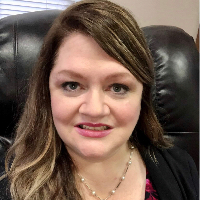
Tracey Byram
Compassionate support for family and parenting challenges
- Credentials
- LPC
- Experience
- 27 years
- Licensed in
- Georgia
- Languages
- English
- Format
- Online sessions
About Tracey
Tracey Byram is a Licensed Professional Counselor with 27 years of experience who focuses on family and parenting concerns alongside a wide range of mental health issues. She works with stress, anxiety, depression, bipolar disorder, trauma and abuse, addictions, grief, eating and sleeping problems, parenting challenges, and relationship and intimacy issues.
Parents often seek her help when behavior, mood, or family dynamics feel overwhelming. Sessions aim to be practical and down-to-earth so families can use what they learn right away.
Background and approach
Tracey uses straightforward talking, skill teaching, and supportive listening. She blends approaches such as Cognitive Behavioral Therapy (CBT), Dialectical Behavior Therapy (DBT), Acceptance and Commitment Therapy (ACT), Attachment-Based Therapy, and Client-Centered Therapy to fit each family’s needs. She has worked with LGBT clients for over a decade and has experience supporting children, adolescents, families, and young adults.
Tracey also has experience addressing adoption and foster care issues, attachment concerns, autism and Asperger Syndrome, blended family struggles, and caregiver stress. Her practice has included using therapy dogs as part of treatment, and she has seen this help clients feel calmer and more engaged. Tracey aims to form clear, realistic goals with parents and caregivers so progress can be measured.
She listens for strengths and builds on them while teaching skills to manage emotions and improve communication. Sessions focus on small, actionable steps families can try between meetings. Tracey explains techniques in plain language and coaches parents on how to use them at home.
Her background in a variety of approaches lets her adapt techniques to each child and family. Tracey practices in Georgia and works in English. She frames treatment around what each family needs and adjusts methods as goals change.
Approaches that guide online family work
Acceptance and Commitment Therapy (ACT) helps people notice painful thoughts without letting those thoughts dictate actions. It emphasizes values and small steps toward a meaningful life, which can help when families feel stuck or overwhelmed.Cognitive Behavioral Therapy (CBT) teaches practical skills to change unhelpful thinking and behavior patterns. It is useful for anxiety, depression, sleep and eating issues, and for coaching parents on specific behavior strategies.
Attachment-Based Therapy focuses on relationships and how early bonds shape reactions. This approach is often used when attachment issues, adoption and foster care concerns, or blended family dynamics are part of the difficulty.
Finding the right approach is a team effort. The therapist will talk with parents and caregivers about goals, try methods, and adjust as progress becomes clear. Work is collaborative and tailored to the family’s needs and preferences.
Online sessions offer flexible ways to meet - video calls, phone sessions, live chat, or text-based messaging. These options let parents fit sessions around school, work, and routines and allow follow-up between meetings. Many families appreciate being able to practice skills at home and bring real-life situations into discussion during online sessions.
Acceptance and Commitment Therapy (ACT)
Less about arguing with difficult thoughts, more about loosening their grip and acting on what matters to you anyway. Values and committed action carry the work, which suits conversation at a distance.
Attachment-Based Therapy
Looks at how early bonds shaped what you expect from closeness, and how that plays out now with a partner, a parent, or your own children.
Client-Centered Therapy
The direction comes from you rather than from a set programme. The therapist offers a warm, non-judgemental space to think out loud and work at your own pace. Online, this rests on the relationship rather than on being in the same room.
Frequently asked questions
What kinds of problems does she address with families?
How would you describe her therapy style?
What is her experience working with children and families?
What credentials and location apply to her practice?
Does she meet with people in other countries or languages?
What formats are available for sessions?
How are fees handled for therapy?
What are the first steps to begin therapy?
Specialties and expertise
Top specialties
- Stress, Anxiety
- Trauma and abuse
- Bipolar disorder
Also works with
- Abandonment
- Addictions
- ADHD
- Adoption and foster care
- Anger management
- Attachment issues
- Autism and Asperger Syndrome
- Avoidant personality
- Blended family issues
- Body image
- Cancer
- Career difficulties
- Caregiver issues and stress
- Chronic pain, illness, and disability
- Co-morbidity
- Coaching
- Codependency
- Commitment issues
- Communication problems
- Compassion fatigue
- Control issues
- Coping with life changes
- Coping with natural or human-caused disaster
- Dependent personality
- Depression
- Disruptive Mood Dysregulation Disorder (DMDD)
- Dissociation
- Divorce and separation
- Domestic violence
- Eating and food-related issues
- Eating disorders
- Emptiness
- Family conflicts
- Family of origin issues
- Family problems
- Fatherhood issues
- Fertility issues
- First responder issues
- Forgiveness
- Gender dysphoria
- Grief
- Guilt and shame
- Hoarding
- Impulsivity
- Infidelity
- Intimacy-related issues
- Isolation / loneliness
- Jealousy
- LGBT
- Life purpose
- Men's issues
- Midlife crisis
- Money and financial issues
- Mood disorders
- Multicultural concerns
- Obsessions, compulsions, and OCD
- Panic disorder and panic attacks
- Paranoia
- Parenting issues
- Personality disorders
- Phobias
- Post-traumatic stress
- Postpartum depression
- Pregnancy and childbirth
- Relationship issues
- Seasonal Affective Disorder (SAD)
- Self esteem
- Self-harm
- Self-love
- Sexual assault and abuse
- Sexuality
- Sleeping disorders
- Social anxiety and phobia
- Somatization
- Traumatic brain injury
- Trichotillomania
- Veteran and Armed Forces Issues
- Women's issues
- Workplace issues
- Young adult issues
Therapeutic approaches
- Acceptance and Commitment Therapy (ACT)
- Attachment-Based Therapy
- Client-Centered Therapy
- Cognitive Behavioral Therapy (CBT)
- Dialectical Behavior Therapy (DBT)
- Emotionally-Focused Therapy (EFT)
- Existential Therapy
- Imago Relationship Therapy
- Jungian Therapy
- Mindfulness Therapy
- Motivational Interviewing
- Narrative Therapy
- Psychodynamic Therapy
- Solution-Focused Therapy
- Somatic Therapy
- Trauma-Focused Therapy
- Systemic Therapy
- Experience
- 27 years
- Licensed
- Georgia
- Languages
- English
Next step
Talk to Tracey
- Takes a few minutes
- Nothing to set up just to look
- Stop at any point