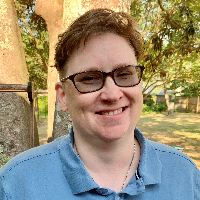
Heather Scarboro
Compassionate, practical support for life's challenges
- Credentials
- LCMHC
- Experience
- 10 years
- Licensed in
- North Carolina
- Languages
- English
- Format
- Online sessions
About Heather
Heather Scarboro is a licensed clinical mental health counselor (LCMHC) who focuses on helping people manage stress, anxiety, addiction, depression, and other challenges that affect daily life. She writes plainly with families and parents in mind and aims to make therapy easy to understand. Heather draws on practical skills so people can see changes between sessions.
She works from North Carolina and conducts sessions in English, including with international clients.
Background and approach
Heather brings ten years of clinical experience to her practice. She uses a mix of approaches to match each person's needs rather than a single method. Sessions often emphasize skills for coping with intense feelings, repairing communication, and processing difficult memories.
She also integrates trauma-focused work when past events keep getting in the way of daily functioning. Her training includes EMDR, which she uses to help people reprocess traumatic memories, and she incorporates elements of dialectical behavior therapy to teach emotional regulation and distress tolerance. Client-Centered Therapy informs how she builds a respectful, nonjudgmental space where people lead the goals.
Heather also draws from emotionally-focused ideas to help people notice and shift patterns in close relationships. Therapy options include video calls, phone sessions, live chat, and text-based messaging. Sessions are offered through a subscription model that can be canceled at any time.
Cost varies with location and therapist availability. To begin, a person completes a short matching questionnaire and schedules a session according to availability. Outside of clinical work, Heather communicates about dissociative disorders and trauma through interviews, blogs, and presentations.
She also enjoys music and creative expression as ways to process emotion and connection.
How Heather's approaches translate to online therapy
Client-Centered Therapy focuses on creating a respectful, nonjudgmental space where the person sets goals and the therapist listens deeply. This approach helps people feel heard and guides sessions toward what matters most to them.Dialectical Behavior Therapy, or DBT, teaches clear skills for managing intense emotions, tolerating distress, and improving communication. Online sessions can include practice of these skills between meetings and step-by-step coaching during calls or messages.
Eye Movement Desensitization and Reprocessing, EMDR, is a trauma-focused method that helps people process distressing memories so those memories cause less disruption. When used in online work, the therapist adapts pacing and techniques to what the client needs in a virtual setting.
Finding the right mix of methods is a collaborative process. Heather will talk with each person about goals, preferences, and what has or hasn’t worked before. Together they decide which approaches to try and adjust the plan as progress is made.
Online therapy offers flexibility in how and when people connect. Video calls allow face-to-face interaction, phone sessions remove the need for video, and live chat or text-based messaging supports shorter check-ins and ongoing coaching. These options make it easier to fit therapy into busy family schedules and to continue work from different locations.
Client-Centered Therapy
The direction comes from you rather than from a set programme. The therapist offers a warm, non-judgemental space to think out loud and work at your own pace. Online, this rests on the relationship rather than on being in the same room.
Dialectical Behavior Therapy (DBT)
Concrete skills for riding out strong emotion, tolerating distress, and handling relationships without things escalating. The skills are practised in daily life, so between-session support by message or phone fits naturally.
Emotionally-Focused Therapy (EFT)
Attends to the emotions underneath a recurring argument or distance, and to the attachment needs driving them. Often used where a relationship keeps returning to the same painful loop.
Frequently asked questions
What concerns does Heather address?
What is her therapeutic style like?
How much clinical experience does she have?
What credentials and location are listed?
Which languages are supported and can international clients join?
What session formats are available?
How does billing and cost work?
How do I start a therapy relationship?
Specialties and expertise
Top specialties
Also works with
- Abandonment
- ADHD
- Aging and geriatric issues
- Anger management
- Attachment issues
- BDSM, kink, and alternative sex culture
- Bipolar disorder
- Blended family issues
- Body image
- Cancer
- Career difficulties
- Caregiver issues and stress
- Chronic pain, illness, and disability
- Co-morbidity
- Coaching
- Codependency
- Commitment issues
- Communication problems
- Compassion fatigue
- Coping with life changes
- Coping with natural or human-caused disaster
- Depression
- Disruptive Mood Dysregulation Disorder (DMDD)
- Dissociation
- Divorce and separation
- Domestic violence
- Drug and alcohol addiction
- Emptiness
- Family conflicts
- Family of origin issues
- Family problems
- Fertility issues
- First responder issues
- Forgiveness
- Gender dysphoria
- Grief
- Guilt and shame
- HIV / AIDS
- Hospice and end-of-life counseling
- Immigration issues
- Infidelity
- Intimacy-related issues
- Isolation / loneliness
- Life purpose
- Midlife crisis
- Multicultural concerns
- Panic disorder and panic attacks
- Paranoia
- Phobias
- Polyamory / non-monogamous relationships
- Post-traumatic stress
- Prejudice and discrimination
- Process addiction (porn, exercise, gambling)
- Relationship issues
- Seasonal Affective Disorder (SAD)
- Self esteem
- Self-harm
- Self-love
- Sex addiction
- Sexual assault and abuse
- Sexual dysfunction
- Sexuality
- Smoking / vaping cessation
- Social anxiety and phobia
- Somatization
- Trauma and abuse
- Women's issues
- Workplace issues
- Young adult issues
Therapeutic approaches
- Client-Centered Therapy
- Dialectical Behavior Therapy (DBT)
- Emotionally-Focused Therapy (EFT)
- Existential Therapy
- Eye Movement Desensitization and Reprocessing (EMDR)
- Hypnotherapy
- Jungian Therapy
- Mindfulness Therapy
- Motivational Interviewing
- Narrative Therapy
- Psychodynamic Therapy
- Trauma-Focused Therapy
- Internal Family Systems
- Experience
- 10 years
- Licensed
- North Carolina
- Languages
- English
Next step
Talk to Heather
- Takes a few minutes
- Nothing to set up just to look
- Stop at any point