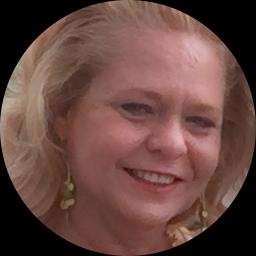
Diane Langston-Schicker
Experienced Florida therapist focused on personal change
- Credentials
- LMFT
- Experience
- 27 years
- Licensed in
- Florida
- Languages
- English
- Format
- Online sessions
About Diane
Diane Langston-Schicker is a licensed marriage and family therapist in Florida with 27 years of clinical experience. She helps people facing anxiety, depression, trauma, and addiction. Her work also covers relationship and intimacy concerns, parenting stress, and life transitions.
Diane uses straightforward, practical methods in sessions. She listens first, then helps people find steps they can try between meetings. She draws on approaches like attachment work, cognitive behavioral strategies, and EMDR when trauma memories need attention.
Background and approach
Her style is warm and focused. Diane aims to make therapy feel like a cooperative process. She checks in about what is working and adjusts the plan to fit each person's goals and pace.
People come to Diane for help with grief, anger, body image, ADHD, and complicated relationship patterns. She also addresses issues such as adoption and foster care concerns, caregiver stress, and blended family dynamics from an individual perspective. Sessions may include practical skills for managing stress, exercises to improve communication, and techniques to reduce symptoms of anxiety or depression.
Diane balances evidence-based tools with attention to personal history and attachment patterns to support longer term change.
Therapeutic approaches and how they work online
Attachment-Based Therapy focuses on how early relationships shape current bonds and feelings. In sessions this looks like talking through relationship patterns and learning ways to feel safer in close connections, which can help with anxiety and intimacy concerns.Cognitive Behavioral Therapy, or CBT, targets unhelpful thoughts and behaviors with clear exercises and homework. It is practical and works well for anxiety, depression, and stress by teaching skills to interrupt negative cycles.
Eye Movement Desensitization and Reprocessing, EMDR, helps process traumatic memories so they feel less distressing. EMDR sessions use structured sets of attention and reflection to reduce the emotional charge of past events.
Choosing an approach is a collaborative process. The therapist will listen to a person's history, goals, and preferences and recommend techniques that fit those needs. Plans are adjusted over time so the method matches what helps most.
Online therapy makes these approaches accessible via video calls, phone sessions, live chat, or text-based messaging. That flexibility helps people fit sessions into busy lives, keeps work moving when travel is difficult, and allows follow-up between meetings through messaging. Therapists can use the same tools and structured exercises online to support progress from wherever a person is located.
Attachment-Based Therapy
Looks at how early bonds shaped what you expect from closeness, and how that plays out now with a partner, a parent, or your own children.
Client-Centered Therapy
The direction comes from you rather than from a set programme. The therapist offers a warm, non-judgemental space to think out loud and work at your own pace. Online, this rests on the relationship rather than on being in the same room.
Cognitive Behavioral Therapy (CBT)
CBT looks at the link between what you think, how you feel, and what you do. You work on noticing unhelpful patterns and practising steadier responses. It suits online sessions well, because much of the work happens between appointments and can be talked through from anywhere.
Frequently asked questions
What kinds of concerns does she address?
What is her general approach in therapy?
How much clinical experience does she have?
What are her credentials and where is she based?
Which languages are sessions offered in?
What session formats are available?
How does payment and cost work?
How do I begin working with her?
Specialties and expertise
Top specialties
- Stress, Anxiety
- Relationship issues
- Family conflicts
Also works with
- Abandonment
- Addictions
- ADHD
- Adoption and foster care
- Aging and geriatric issues
- Anger management
- Antisocial personality
- Attachment issues
- Autism and Asperger Syndrome
- Avoidant personality
- BDSM, kink, and alternative sex culture
- Bipolar disorder
- Blended family issues
- Body image
- Cancer
- Career difficulties
- Caregiver issues and stress
- Co-morbidity
- Coaching
- Codependency
- Commitment issues
- Communication problems
- Compassion fatigue
- Control issues
- Coping with life changes
- Coping with natural or human-caused disaster
- Dependent personality
- Depression
- Disruptive Mood Dysregulation Disorder (DMDD)
- Dissociation
- Divorce and separation
- Domestic violence
- Eating disorders
- Emptiness
- Family of origin issues
- Family problems
- Fatherhood issues
- Fertility issues
- Forgiveness
- Gender dysphoria
- Grief
- Guilt and shame
- HIV / AIDS
- Hoarding
- Hospice and end-of-life counseling
- Impulsivity
- Infidelity
- Intimacy-related issues
- Isolation / loneliness
- Jealousy
- LGBT
- Life purpose
- Midlife crisis
- Money and financial issues
- Mood disorders
- Multicultural concerns
- Narcissism
- Obsessions, compulsions, and OCD
- Panic disorder and panic attacks
- Paranoia
- Parenting issues
- Personality disorders
- Phobias
- Post-traumatic stress
- Postpartum depression
- Pregnancy and childbirth
- Seasonal Affective Disorder (SAD)
- Self esteem
- Self-harm
- Self-love
- Sexual assault and abuse
- Sexual dysfunction
- Sexuality
- Sleeping disorders
- Social anxiety and phobia
- Trauma and abuse
- Traumatic brain injury
- Women's issues
- Workplace issues
- Young adult issues
Therapeutic approaches
- Experience
- 27 years
- Licensed
- Florida
- Languages
- English
Next step
Talk to Diane
- Takes a few minutes
- Nothing to set up just to look
- Stop at any point