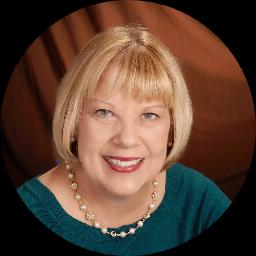
Dr. Susan Lieberman
Compassionate evidence-based care for life changes
- Credentials
- KS Psychologist LP 1071
- Experience
- 24 years
- Licensed in
- Kansas
- Languages
- English
- Format
- Online sessions
About Susan
Dr. Susan Lieberman uses evidence-based therapy to help people manage strong emotions and life changes. She blends practical techniques with a warm, listening stance to reduce stress, anxiety, depression, and problems like anger or sleep disruption.
Her opening aim is to make sessions clear and doable, so people leave with steps they can try between meetings. She has 24 years of clinical experience and practices as KS Psychologist LP 1071.
Background and approach
That background means she has worked with a wide range of concerns including bipolar illness, ADHD, addictions, grief, trauma and abuse, and intimacy-related issues. Her approach also covers parenting and family topics when they arise in care. Dr.
Lieberman draws from several therapy models. She uses cognitive behavioral techniques to change unhelpful thoughts and actions. She adds acceptance-based tools to help people live with difficult feelings without being controlled by them.
Attachment-informed ideas guide work around relationship patterns and security. Sessions focus on practical skills and clear goals. Conversations often include learning new coping strategies, improving communication, and planning small behavior changes.
The therapist aims to help people feel steadier and more able to handle daily demands. Her practice operates in Kansas and offers multiple remote formats. Sessions are offered in English and follow a straightforward process for matching and scheduling.
Costs vary by location and use a subscription model that can be canceled at any time.
Therapy approaches you can use remotely
Dr. Lieberman commonly integrates Cognitive Behavioral Therapy and Attachment-Based Therapy when working with emotional and relationship issues. Cognitive Behavioral Therapy helps identify unhelpful thoughts and habits and replaces them with more workable ways of thinking and acting. It can help reduce anxiety, depressive patterns, and sleep or anger problems. Attachment-Based Therapy looks at how early relationship patterns affect current feelings and interactions and is useful when people want to change repeating relationship dynamics or attachment worries.Finding the right approach is a team effort. The therapist will talk with each person about their goals, preferences, and what’s been tried before. Together they decide whether to lean more on thinking-and-behavior tools, acceptance strategies, or attachment-focused work and adjust as progress unfolds.
Online therapy offers flexible ways to meet. Sessions can be video calls for face-to-face conversation, phone sessions when video is not suitable, or live chat and text messaging for shorter check-ins and ongoing support. These options make it easier to fit therapy into busy schedules and to keep momentum between meetings while working toward clearer goals.
Acceptance and Commitment Therapy (ACT)
Less about arguing with difficult thoughts, more about loosening their grip and acting on what matters to you anyway. Values and committed action carry the work, which suits conversation at a distance.
Attachment-Based Therapy
Looks at how early bonds shaped what you expect from closeness, and how that plays out now with a partner, a parent, or your own children.
Client-Centered Therapy
The direction comes from you rather than from a set programme. The therapist offers a warm, non-judgemental space to think out loud and work at your own pace. Online, this rests on the relationship rather than on being in the same room.
Frequently asked questions
What kinds of concerns does she address?
What is her general therapy style?
How long has she been practicing?
What are her credentials and where is she based?
Are sessions offered in languages other than English?
What formats are available for sessions?
How is cost handled for sessions?
How do I begin working with her?
Specialties and expertise
Top specialties
- Stress, Anxiety
- Anger management
- Bipolar disorder
Also works with
- Abandonment
- Addictions
- ADHD
- Adoption and foster care
- Attachment issues
- Autism and Asperger Syndrome
- Avoidant personality
- Blended family issues
- Cancer
- Career difficulties
- Caregiver issues and stress
- Chronic pain, illness, and disability
- Co-morbidity
- Coaching
- Codependency
- Communication problems
- Compassion fatigue
- Control issues
- Coping with life changes
- Coping with natural or human-caused disaster
- Dependent personality
- Depression
- Disruptive Mood Dysregulation Disorder (DMDD)
- Divorce and separation
- Emptiness
- Family conflicts
- Family of origin issues
- Family problems
- Fatherhood issues
- Fertility issues
- First responder issues
- Forgiveness
- Grief
- Guilt and shame
- Impulsivity
- Infidelity
- Intimacy-related issues
- Isolation / loneliness
- Jealousy
- LGBT
- Life purpose
- Midlife crisis
- Mood disorders
- Obsessions, compulsions, and OCD
- Panic disorder and panic attacks
- Parenting issues
- Personality disorders
- Phobias
- Post-traumatic stress
- Postpartum depression
- Pregnancy and childbirth
- Prejudice and discrimination
- Process addiction (porn, exercise, gambling)
- Relationship issues
- Seasonal Affective Disorder (SAD)
- Self esteem
- Self-harm
- Self-love
- Sleeping disorders
- Social anxiety and phobia
- Trauma and abuse
- Trichotillomania
- Women's issues
- Workplace issues
- Young adult issues
Therapeutic approaches
- Experience
- 24 years
- Licensed
- Kansas
- Languages
- English
Next step
Talk to Susan
- Takes a few minutes
- Nothing to set up just to look
- Stop at any point