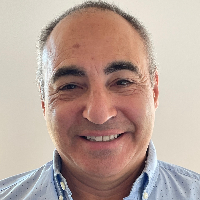
Stuart Riskin
Practical, strengths-based therapy for real-life change
- Credentials
- LCSW
- Experience
- 28 years
- Licensed in
- California
- Languages
- English
- Format
- Online sessions
About Stuart
Stuart Riskin is a Licensed Clinical Social Worker who brings nearly three decades of experience to people looking for practical help. He speaks plainly and aims to make sessions feel straightforward and useful. Stuart frames therapy as a joint effort where the person seeking help is treated as the expert on their life.
His style centers on respect, strengths, and working toward clear, achievable change. Stuart moved into social work after an earlier career in the entertainment industry, and that nontraditional path shaped his outlook.
Background and approach
He draws on varied work in both public and personal settings to offer many real-world skills. Those experiences inform how he helps people handle stress, grief, depression, addiction, relationship concerns, and other life transitions. In session Stuart uses approachable methods that focus on what people notice and want to change.
He listens for patterns, then helps build small, practical steps to shift those patterns. He emphasizes collaboration and supports clients as they try out different ways of coping and connecting. People who want a down-to-earth therapist who values their perspective may find his manner helpful.
Stuart keeps the tone supportive and often mixes conversation with exercises and skills practice. He encourages clients to set their own goals and move at a pace that fits their life. Stuart holds a California Licensed Clinical Social Worker credential, CA LCSW 22300, and works with common concerns such as anxiety, parenting stress, relationship issues, trauma, and substance use.
He provides care in English and is comfortable working with clients from different places, including outside the United States.
Therapeutic approaches and online options
Stuart commonly uses Cognitive Behavioral Therapy and Emotionally-Focused Therapy in his online practice. CBT focuses on identifying unhelpful thoughts and behaviors and then practicing concrete skills to change them, which can help with anxiety, depression, and coping strategies. Emotionally-Focused Therapy concentrates on emotional patterns and how they affect relationships and connection, which can be useful for intimacy and communication concerns.Finding the right approach is part of the work. Stuart treats the choice of method as a team decision based on each persons goals, preferences, and the issues they bring. He often combines elements from different approaches to suit what a person needs and will discuss options openly so clients know what to expect.
Online therapy offers flexibility through video calls, phone sessions, live chat, or text-based messaging. These formats make it easier to fit sessions into busy lives and to keep continuity when schedules or locations change. Stuart uses these options to help clients practice skills between sessions, check in quickly when needed, and maintain momentum toward their goals.
Client-Centered Therapy
The direction comes from you rather than from a set programme. The therapist offers a warm, non-judgemental space to think out loud and work at your own pace. Online, this rests on the relationship rather than on being in the same room.
Cognitive Behavioral Therapy (CBT)
CBT looks at the link between what you think, how you feel, and what you do. You work on noticing unhelpful patterns and practising steadier responses. It suits online sessions well, because much of the work happens between appointments and can be talked through from anywhere.
Emotionally-Focused Therapy (EFT)
Attends to the emotions underneath a recurring argument or distance, and to the attachment needs driving them. Often used where a relationship keeps returning to the same painful loop.
Frequently asked questions
What kinds of problems does Stuart help with?
What is his general approach in therapy?
How much experience does he have?
What are his credentials and where is he based?
Which languages are supported and can he work with international clients?
What session formats are available?
How is cost handled for sessions?
How do I begin working with him?
Specialties and expertise
Top specialties
Also works with
- Abandonment
- ADHD
- Adoption and foster care
- Aging and geriatric issues
- Anger management
- Attachment issues
- Avoidant personality
- Bipolar disorder
- Blended family issues
- Career difficulties
- Caregiver issues and stress
- Coaching
- Codependency
- Commitment issues
- Communication problems
- Compassion fatigue
- Control issues
- Coping with life changes
- Dependent personality
- Depression
- Divorce and separation
- Domestic violence
- Drug and alcohol addiction
- Emptiness
- Family conflicts
- Family of origin issues
- Family problems
- Fatherhood issues
- Forgiveness
- Gender dysphoria
- Grief
- Guilt and shame
- HIV / AIDS
- Impulsivity
- Infidelity
- Intimacy-related issues
- Isolation / loneliness
- Jealousy
- Life purpose
- Men's issues
- Midlife crisis
- Mood disorders
- Multicultural concerns
- Obsessions, compulsions, and OCD
- Panic disorder and panic attacks
- Parenting issues
- Polyamory / non-monogamous relationships
- Post-traumatic stress
- Prejudice and discrimination
- Process addiction (porn, exercise, gambling)
- Relationship issues
- Self esteem
- Self-harm
- Self-love
- Sex addiction
- Sexual assault and abuse
- Sexual dysfunction
- Sexuality
- Social anxiety and phobia
- Trauma and abuse
- Veteran and Armed Forces Issues
- Workplace issues
- Young adult issues
Therapeutic approaches
- Experience
- 28 years
- Licensed
- California
- Languages
- English
Next step
Talk to Stuart
- Takes a few minutes
- Nothing to set up just to look
- Stop at any point