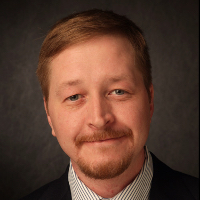
Ryan Suhr
Family-focused therapist guiding steady change
- Credentials
- LMHC, LIMHP
- Experience
- 10 years
- Licensed in
- Nebraska, Washington
- Languages
- English
- Format
- Online sessions
About Ryan
Ryan Suhr is a licensed mental health clinician who brings ten years of experience to families and parents in Nebraska. He holds LMHC and LIMHP credentials and has worked with people across the lifespan. He meets parents where they are and focuses on clear, practical goals rather than labels.
Sessions are aimed at helping families navigate everyday struggles and make steady progress. Ryan’s background includes undergraduate and graduate study in philosophy, psychology, religion, and linguistics.
Background and approach
That mix shows up in how he listens and asks questions. He helps people find meaning and sort through what matters most in family life. His style blends gentle curiosity with practical techniques.
He uses approaches such as attachment-based work to look at bonds, cognitive behavioral strategies to shift patterns, and client-centered listening to follow what each family needs. The work is collaborative and paced to each family’s comfort. Ryan has supported a wide range of concerns, from anxiety and depression to parenting challenges, addictions, grief, trauma, and relationship strain.
He also addresses topics like blended family issues, adoption and foster care, and communication problems. Sessions can include problem-solving, skills practice, and exploring values and meaning. Parents often focus on clearer communication, managing stress, and rebuilding connection.
The aim is steady, realistic change in family routines and relationships. Ryan works with English-speaking clients and is available for international clients. His approach is straightforward and practical, intended to help families move toward the goals they set together.
Practical approaches for online family and parenting support
Ryan uses attachment-based work to look at how bonds between family members shape everyday interactions. This approach helps parents understand patterns of closeness and distance and is useful for repairing connection and improving trust.He also uses cognitive behavioral therapy, which focuses on changing unhelpful thoughts and behaviors. CBT is practical and often helps with anxiety, low mood, anger, and repetitive family patterns by teaching specific skills and new ways of responding.
Finding the right approach is part of the work. Ryan will collaborate with each family to pick methods that fit their needs, goals, and comfort level. He adjusts techniques over time so the plan stays useful and realistic.
Online sessions are offered as video calls, phone sessions, live chat, or text-based messaging to fit busy family schedules. These options make it easier to attend from home, coordinate around childcare, and check in between appointments. The variety of formats supports flexibility while keeping the focus on steady, practical progress.
Attachment-Based Therapy
Looks at how early bonds shaped what you expect from closeness, and how that plays out now with a partner, a parent, or your own children.
Client-Centered Therapy
The direction comes from you rather than from a set programme. The therapist offers a warm, non-judgemental space to think out loud and work at your own pace. Online, this rests on the relationship rather than on being in the same room.
Cognitive Behavioral Therapy (CBT)
CBT looks at the link between what you think, how you feel, and what you do. You work on noticing unhelpful patterns and practising steadier responses. It suits online sessions well, because much of the work happens between appointments and can be talked through from anywhere.
Frequently asked questions
What kinds of family or parenting concerns are addressed?
How would you describe the therapy style and approach?
What is Ryan's professional background?
Which credentials and location apply to this clinician?
Are sessions available in languages other than English or across borders?
What session formats are offered?
How are fees and payment handled?
What are the first steps to begin working together?
Specialties and expertise
Top specialties
- Stress, Anxiety
- Addictions
- Relationship issues
Also works with
- ADHD
- Adoption and foster care
- Anger management
- Antisocial personality
- Attachment issues
- Autism and Asperger Syndrome
- Avoidant personality
- BDSM, kink, and alternative sex culture
- Bipolar disorder
- Blended family issues
- Career difficulties
- Co-morbidity
- Coaching
- Codependency
- Commitment issues
- Communication problems
- Compassion fatigue
- Control issues
- Coping with life changes
- Dependent personality
- Depression
- Divorce and separation
- Domestic violence
- Drug and alcohol addiction
- Emptiness
- Family conflicts
- Family of origin issues
- Family problems
- Fatherhood issues
- Forgiveness
- Grief
- Guilt and shame
- Impulsivity
- Infidelity
- Intimacy-related issues
- Isolation / loneliness
- Jealousy
- LGBT
- Life purpose
- Men's issues
- Midlife crisis
- Money and financial issues
- Mood disorders
- Multicultural concerns
- Narcissism
- Obsessions, compulsions, and OCD
- Parenting issues
- Personality disorders
- Phobias
- Polyamory / non-monogamous relationships
- Post-traumatic stress
- Process addiction (porn, exercise, gambling)
- Self esteem
- Self-harm
- Self-love
- Sex addiction
- Sexual assault and abuse
- Sexual dysfunction
- Sexuality
- Social anxiety and phobia
- Trauma and abuse
- Workplace issues
- Young adult issues
Therapeutic approaches
- Experience
- 10 years
- Licensed
- Nebraska, Washington
- Languages
- English
Next step
Talk to Ryan
- Takes a few minutes
- Nothing to set up just to look
- Stop at any point