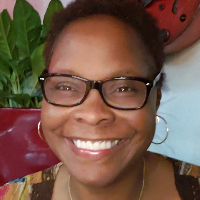
Trisha Taylor
Family-focused therapist and coach
- Credentials
- LMFT
- Experience
- 14 years
- Licensed in
- California
- Languages
- English
- Format
- Online sessions
About Trisha
Trisha Taylor is a licensed Marriage and Family Therapist who focuses on family and parenting concerns. She offers calm, straightforward support for people dealing with stress, anxiety, depression, grief, addiction, and relationship struggles. Trisha speaks plainly and listens closely so clients can say what matters and begin to make changes.
She draws on 14 years of clinical experience and a master’s degree in counseling earned in 2011. Trisha uses tools from cognitive behavioral therapy, dialectical behavior therapy, client-centered work, existential ideas, and mindfulness practice.
Background and approach
Those methods are used to reduce symptoms, improve communication, and build practical coping skills. Sessions often focus on real-life problems like blended family issues, adoption and foster care challenges, fertility and surrogacy concerns, and the ripple effects of substance use or domestic violence. She also addresses shame, abandonment, codependency, and control issues that get in the way of everyday functioning.
Trisha frames her work as both coaching and therapy. That means she supports learning and goal-focused steps while also exploring underlying patterns. She emphasizes clear strategies as well as reflective conversations to help clients move forward.
Based in California, Trisha offers a warm, nonjudgmental presence and practical guidance for people managing change. Her approach aims to make therapy useful and accessible for busy parents and family members.
How Trisha brings therapeutic approaches into online care
Trisha uses cognitive behavioral therapy (CBT) to help people identify unhelpful thoughts and change small behaviors that reduce anxiety and depression. CBT focuses on practical steps and skills that can be practiced between sessions to produce visible changes. She also uses dialectical behavior therapy (DBT) techniques to teach emotion regulation, distress tolerance, and better interpersonal skills. DBT skills can be especially useful for high stress, strong emotions, and relationship conflicts. Finding the right approach is a joint process. The therapist will talk with each person about their needs, goals, and preferences and adapt methods as the work progresses. That collaborative process helps make sure strategies feel relevant and realistic for daily life. Online sessions are offered by video calls, phone sessions, live chat, or text-based messaging to fit different schedules and comfort levels. These options allow for steady support when in-person visits are hard to arrange and let parents and family members connect from home, work, or on the go. Overall, the combination of clear skills training and flexible online formats aims to make therapy practical and accessible while keeping the focus on the client’s goals and day-to-day challenges.Client-Centered Therapy
The direction comes from you rather than from a set programme. The therapist offers a warm, non-judgemental space to think out loud and work at your own pace. Online, this rests on the relationship rather than on being in the same room.
Cognitive Behavioral Therapy (CBT)
CBT looks at the link between what you think, how you feel, and what you do. You work on noticing unhelpful patterns and practising steadier responses. It suits online sessions well, because much of the work happens between appointments and can be talked through from anywhere.
Dialectical Behavior Therapy (DBT)
Concrete skills for riding out strong emotion, tolerating distress, and handling relationships without things escalating. The skills are practised in daily life, so between-session support by message or phone fits naturally.
Frequently asked questions
What concerns does she help with?
What is her therapy style like?
How much experience does she have?
What are her credentials and where is she licensed?
Which languages are offered for sessions?
Can she work with international clients?
What session formats are available?
How does pricing and starting therapy work?
Specialties and expertise
Top specialties
Also works with
- Abandonment
- Adoption and foster care
- Anger management
- Bipolar disorder
- Blended family issues
- Career difficulties
- Co-morbidity
- Coaching
- Codependency
- Communication problems
- Control issues
- Coping with life changes
- Depression
- Divorce and separation
- Domestic violence
- Drug and alcohol addiction
- Eating and food-related issues
- Eating disorders
- Family conflicts
- Family problems
- Fertility issues
- Forgiveness
- Grief
- Guilt and shame
- Impulsivity
- Intellectual disability
- Intimacy-related issues
- Isolation / loneliness
- LGBT
- Life purpose
- Men's issues
- Midlife crisis
- Mood disorders
- Multicultural concerns
- Panic disorder and panic attacks
- Parenting issues
- Pregnancy and childbirth
- Prejudice and discrimination
- Relationship issues
- Self esteem
- Self-love
- Sex addiction
- Sexual assault and abuse
- Sexual dysfunction
- Sexuality
- Sleeping disorders
- Smoking / vaping cessation
- Women's issues
- Workplace issues
- Young adult issues
Therapeutic approaches
- Experience
- 14 years
- Licensed
- California
- Languages
- English
Next step
Talk to Trisha
- Takes a few minutes
- Nothing to set up just to look
- Stop at any point