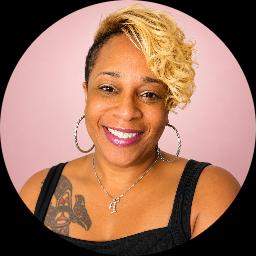
Dr. Treva Sexton
Compassionate, practical help for relationship challenges
- Credentials
- LPC
- Experience
- 8 years
- Licensed in
- Georgia
- Languages
- English
- Format
- Online sessions
About Treva
Dr. Treva Sexton is a licensed professional counselor with eight years of clinical experience. She focuses on everyday relationship and personal challenges, including family and parenting concerns, intimacy, communication problems, and stress.
She aims to help people name what is getting in the way and make clear, practical plans for change. Her approach is straightforward and respectful. Sessions emphasize better communication, increased understanding, and realistic next steps.
She also addresses issues related to addiction, anger, ADHD, trauma, and gender and sexual identity matters in ways that acknowledge each person’s lived experience.
Background and approach
Dr. Sexton uses proven tools from several therapy styles, including client-centered work and cognitive behavioral strategies. She draws on skills from dialectical behavior therapy and motivational interviewing when helpful.
Mindfulness practices are used to manage stress and emotional reactivity. She provides a space where people can bring difficult topics, including adoption and foster care concerns, blended family stress, and challenges around body image or infidelity. Her work also covers fatherhood issues, caregiver stress, and relationship concerns tied to commitment or control.
Based in Georgia, Dr. Sexton offers multiple online formats as well as local options. Conversations start with a clear sense of what a client wants to change, then move toward small, doable steps and measurable progress.
How evidence-based approaches work online
Client-Centered Therapy focuses on listening and meeting people where they are. It helps clients feel heard and supports them in finding their own solutions to relationship and parenting challenges. Cognitive Behavioral Therapy, or CBT, looks at patterns of thought and behavior and teaches practical skills to reduce anxiety, manage stress, and change unhelpful reactions.Choosing the right approach is a collaborative process. The therapist will discuss goals, preferences, and what has or hasn’t worked before. Together they will try methods and adjust as needed so the work fits the person and the problem.
Online therapy makes those approaches easy to use from home. Video calls let conversations feel like in-person sessions, while phone sessions can be simpler for short-term check-ins. Live chat and text-based messaging offer quick, flexible ways to keep momentum between sessions. These options help people fit therapy into busy family and work lives.
Client-Centered Therapy
The direction comes from you rather than from a set programme. The therapist offers a warm, non-judgemental space to think out loud and work at your own pace. Online, this rests on the relationship rather than on being in the same room.
Cognitive Behavioral Therapy (CBT)
CBT looks at the link between what you think, how you feel, and what you do. You work on noticing unhelpful patterns and practising steadier responses. It suits online sessions well, because much of the work happens between appointments and can be talked through from anywhere.
Dialectical Behavior Therapy (DBT)
Concrete skills for riding out strong emotion, tolerating distress, and handling relationships without things escalating. The skills are practised in daily life, so between-session support by message or phone fits naturally.
Frequently asked questions
What kinds of issues are addressed in sessions?
What is the general style of therapy?
How much clinical experience does the therapist have?
Where is the therapist located and how is licensure shown?
Which languages and international clients are supported?
What session formats are available?
How are fees and payments handled?
How do I begin working with this therapist?
Specialties and expertise
Top specialties
- Family conflicts
- Intimacy-related issues
- Parenting issues
Also works with
- Addictions
- ADHD
- Adoption and foster care
- Anger management
- BDSM, kink, and alternative sex culture
- Bipolar disorder
- Blended family issues
- Body image
- Career difficulties
- Caregiver issues and stress
- Coaching
- Commitment issues
- Communication problems
- Control issues
- Coping with life changes
- Divorce and separation
- Family of origin issues
- Family problems
- Fatherhood issues
- Gender dysphoria
- Impulsivity
- Infidelity
- LGBT
- Life purpose
- Midlife crisis
- Multicultural concerns
- Phobias
- Polyamory / non-monogamous relationships
- Relationship issues
- Self esteem
- Self-love
- Sex addiction
- Sexual dysfunction
- Sexuality
- Stress, Anxiety
- Trauma and abuse
- Veteran and Armed Forces Issues
- Women's issues
- Workplace issues
- Young adult issues
Therapeutic approaches
- Experience
- 8 years
- Licensed
- Georgia
- Languages
- English
Next step
Talk to Treva
- Takes a few minutes
- Nothing to set up just to look
- Stop at any point