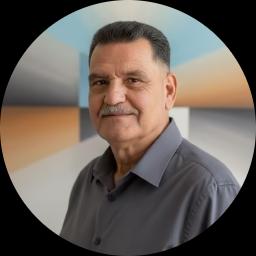
Dr. Paul Fernandez
Compassionate, practical therapy grounded in culture
- Credentials
- CA Psychologist 19972
- Experience
- 30 years
- Licensed in
- California
- Languages
- English, Spanish
- Format
- Online sessions
About Paul
Dr. Paul Fernandez offers straightforward, practical therapy that centers the client's values and life story. He is a CA Psychologist (California Psychologist) with 30 years of experience.
He writes and speaks in both English and Spanish and aims to make sessions easy to understand and apply. His work focuses on stress, anxiety, addictions, relationship and family concerns, trauma and abuse, grief, self-esteem, career questions, and coping with life changes.
He also addresses issues such as abandonment, adoption and foster care, aging and geriatric concerns, attachment and personality issues, blended family challenges, and caregiver stress.
Background and approach
The list includes both common and complex problems that can affect daily functioning and relationships. Dr. Fernandez pays attention to cultural and spiritual context.
He has long experience with Latino and Hispanic communities in Southern California and often incorporates family values, faith, or traditions into sessions when that matters to the person. He also welcomes people from other backgrounds and aims to avoid assumptions about anyone's beliefs or identity. Therapy with him blends practical tools and thoughtful listening.
He helps clients notice patterns, name what matters, and try specific strategies to manage emotions, improve communication, or change behaviors. For people dealing with substance use he focuses on understanding triggers, building coping skills, and supporting recovery as a process rather than a single event. Sessions move at a pace set by the client.
He stresses clear, respectful conversation where difficult topics can be raised without judgment. To start, he asks about current concerns and priorities and works with each person to set realistic, actionable goals.
How therapy approaches translate to online work
Acceptance and Commitment Therapy focuses on helping you notice painful thoughts and feelings without getting stuck in them, and then choose actions that match your values. It often helps with anxiety, depression, and life transitions. Cognitive Behavioral Therapy (CBT) looks at links between thoughts, feelings, and behaviors and teaches practical skills to change unhelpful patterns; it can be useful for anxiety, stress, and mood concerns. Client-Centered Therapy emphasizes a respectful, nonjudgmental relationship where the therapist listens carefully and reflects what matters most to the client, which supports personal insight and growth.Choosing the right approach is part of the process. Dr. Fernandez will work collaboratively to identify which methods make the most sense for your goals, needs, and preferences. He tailors tools and pacing to each person rather than insisting on a single technique.
Session logistics are not specified in the biography, so please confirm current session options before booking. Online therapy can make it easier to fit sessions into a busy life, reduce travel time, allow shorter check-in meetings when needed, and offer options for quieter or lower-bandwidth interactions that do not require being on camera. These practical benefits often help people keep therapy consistent while balancing work, family, and other responsibilities.
Acceptance and Commitment Therapy (ACT)
Less about arguing with difficult thoughts, more about loosening their grip and acting on what matters to you anyway. Values and committed action carry the work, which suits conversation at a distance.
Client-Centered Therapy
The direction comes from you rather than from a set programme. The therapist offers a warm, non-judgemental space to think out loud and work at your own pace. Online, this rests on the relationship rather than on being in the same room.
Cognitive Behavioral Therapy (CBT)
CBT looks at the link between what you think, how you feel, and what you do. You work on noticing unhelpful patterns and practising steadier responses. It suits online sessions well, because much of the work happens between appointments and can be talked through from anywhere.
Frequently asked questions
What concerns does Dr. Fernandez help with?
What is his therapeutic style like?
How much clinical experience does he have?
What credential does he hold and where is he based?
Which languages are available for sessions?
Can people outside the United States work with him?
How are fees and billing handled?
How do I begin therapy with him?
Specialties and expertise
Top specialties
- Stress, Anxiety
- Addictions
- Relationship issues
Also works with
- Abandonment
- Adoption and foster care
- Aging and geriatric issues
- Antisocial personality
- Attachment issues
- Avoidant personality
- Blended family issues
- Body image
- Cancer
- Career difficulties
- Caregiver issues and stress
- Chronic pain, illness, and disability
- Codependency
- Commitment issues
- Communication problems
- Control issues
- Coping with life changes
- Coping with natural or human-caused disaster
- Dependent personality
- Divorce and separation
- Domestic violence
- Drug and alcohol addiction
- Eating and food-related issues
- Family conflicts
- Family of origin issues
- Family problems
- Fatherhood issues
- First responder issues
- Forgiveness
- Grief
- Guilt and shame
- Hearing impaired
- Hoarding
- Hospice and end-of-life counseling
- Immigration issues
- Impulsivity
- Infidelity
- Intellectual disability
- Isolation / loneliness
- Jealousy
- Life purpose
- Men's issues
- Midlife crisis
- Money and financial issues
- Mood disorders
- Multicultural concerns
- Narcissism
- Obsessions, compulsions, and OCD
- Panic disorder and panic attacks
- Paranoia
- Personality disorders
- Phobias
- Post-traumatic stress
- Prejudice and discrimination
- Process addiction (porn, exercise, gambling)
- Seasonal Affective Disorder (SAD)
- Self esteem
- Self-harm
- Self-love
- Sex addiction
- Sexual assault and abuse
- Sexuality
- Smoking / vaping cessation
- Social anxiety and phobia
- Trauma and abuse
- Traumatic brain injury
- Visually impaired
- Workplace issues
- Young adult issues
Therapeutic approaches
- Experience
- 30 years
- Licensed
- California
- Languages
- English, Spanish
Next step
Talk to Paul
- Takes a few minutes
- Nothing to set up just to look
- Stop at any point