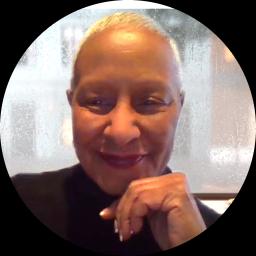
Nia Rose
Compassionate counseling for lasting change
- Credentials
- LCMHC
- Experience
- 30 years
- Licensed in
- North Carolina
- Languages
- English
- Format
- Online sessions
About Nia
Nia Rose is a Licensed Clinical Mental Health Counselor (LCMHC) in North Carolina with three decades of practice. She aims to make the therapy room a calm, nonjudgmental place where people can say what is on their mind. She speaks plainly and focuses on helping clients take steps toward changes that feel meaningful to them.
Her tone is encouraging and steady for someone facing hard decisions or painful patterns. Rose draws on treatments that help people notice their thoughts, learn new skills, and rebuild important relationships.
Background and approach
She uses approaches such as acceptance and commitment work, cognitive tools for changing thoughts and behaviors, and emotion-focused methods for repairing connection. These methods are applied to concerns like addiction, trauma and abuse, low self-esteem, depression, relationship strain, and ADHD-related challenges. Her practice also addresses issues that often come alongside those concerns.
Examples include communication difficulties, caregiver stress, codependency, body image struggles, and problems with commitment or control. She works with people dealing with domestic violence, substance-related problems, eating concerns, feelings of emptiness, and aging-related stress. With 30 years of experience, Rose brings a pragmatic, steady approach to sessions.
She helps people spot patterns that keep them stuck and practices new ways of responding. The goal is to build skills that can be used outside sessions in daily life. Rose offers sessions in English and provides a range of online options for connecting.
Her license number in North Carolina is NC LCMHC 14179.
How specific therapies are used online
Acceptance and Commitment Therapy (ACT) emphasizes noticing thoughts and choosing actions that match personal values. Online ACT sessions often include short exercises and real-life homework to help people act in ways that matter to them despite difficult feelings.Cognitive Behavioral Therapy (CBT) focuses on identifying unhelpful thoughts and testing them with small behavioral changes. In video or messaging sessions, clients can learn practical tools to reduce symptoms of depression, anxiety, and problems with substance use.
Emotionally-Focused Therapy (EFT) helps people understand and change interaction patterns that hurt relationships. When delivered online, it can guide partners or individuals through moments of vulnerability and teach ways to reconnect emotionally.
Finding the right approach is part of the work together. The therapist will discuss goals and preferences and suggest methods that match those needs. That collaborative process can include trying different techniques and adjusting based on what feels most helpful.
Online formats - video calls, phone sessions, live chat, or text messaging - add practical flexibility. They let people fit therapy around work, caregiving, and daily life. These options also make it easier to practice skills between sessions and check in when issues arise.
Acceptance and Commitment Therapy (ACT)
Less about arguing with difficult thoughts, more about loosening their grip and acting on what matters to you anyway. Values and committed action carry the work, which suits conversation at a distance.
Client-Centered Therapy
The direction comes from you rather than from a set programme. The therapist offers a warm, non-judgemental space to think out loud and work at your own pace. Online, this rests on the relationship rather than on being in the same room.
Cognitive Behavioral Therapy (CBT)
CBT looks at the link between what you think, how you feel, and what you do. You work on noticing unhelpful patterns and practising steadier responses. It suits online sessions well, because much of the work happens between appointments and can be talked through from anywhere.
Frequently asked questions
What kinds of concerns does she address?
What is her general therapy style?
How much clinical experience does she have?
What credentials and location are listed?
Which languages are supported for sessions?
What session formats are available online?
How are costs handled for sessions?
What are the steps to begin therapy?
Specialties and expertise
Top specialties
Also works with
- Abandonment
- ADHD
- Aging and geriatric issues
- Avoidant personality
- Body image
- Caregiver issues and stress
- Codependency
- Commitment issues
- Communication problems
- Control issues
- Dependent personality
- Depression
- Disruptive Mood Dysregulation Disorder (DMDD)
- Domestic violence
- Drug and alcohol addiction
- Eating and food-related issues
- Emptiness
- Family conflicts
- Family of origin issues
- First responder issues
- Forgiveness
- Gender dysphoria
- Guilt and shame
- HIV / AIDS
- Hoarding
- Impulsivity
- Infidelity
- Isolation / loneliness
- Jealousy
- Life purpose
- Midlife crisis
- Mood disorders
- Multicultural concerns
- Narcissism
- Obsessions, compulsions, and OCD
- Panic disorder and panic attacks
- Paranoia
- Personality disorders
- Phobias
- Post-traumatic stress
- Prejudice and discrimination
- Process addiction (porn, exercise, gambling)
- Relationship issues
- Seasonal Affective Disorder (SAD)
- Self esteem
- Self-harm
- Self-love
- Sex addiction
- Sexual assault and abuse
- Sexuality
- Social anxiety and phobia
- Women's issues
- Workplace issues
Therapeutic approaches
- Experience
- 30 years
- Licensed
- North Carolina
- Languages
- English
Next step
Talk to Nia
- Takes a few minutes
- Nothing to set up just to look
- Stop at any point