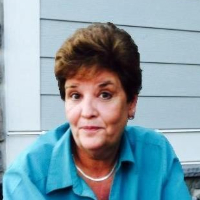
Dr. Mary Louise Inzerillo
Practical, compassionate care for life challenges
- Credentials
- LPC
- Experience
- 25 years
- Licensed in
- Pennsylvania
- Languages
- English
- Format
- Online sessions
About Mary
Dr. Mary Louise Inzerillo helps people facing everyday and deep life challenges. She works with stress, anxiety, depression, grief, addictions, relationship and intimacy concerns, and parenting issues.
She also addresses sleep and eating problems, anger, self-esteem, and career adjustments. Dr. Inzerillo holds an LPC, which stands for Licensed Professional Counselor, and brings 25 years of clinical experience in Pennsylvania.
Her work is straightforward and warm. She uses talk therapy to build trust and to help people notice patterns that cause pain.
Background and approach
Sessions focus on practical skills and clearer ways of communicating. The tone in her room is nonjudgmental and inclusive, with attention to each person's identity and experience. Dr.
Inzerillo draws from several evidence-informed methods. She may use Acceptance and Commitment Therapy to help clients accept hard feelings and connect to values. Cognitive Behavioral Therapy is used to spot and shift unhelpful thoughts and behaviors.
Attachment-based ideas guide work on close relationships and emotional safety. Over time she helps people set small goals and try new habits between visits. She also supports those coping with chronic illness, caregiving strain, compassion fatigue, or life transitions.
The approach blends practical tools with attention to emotion and connection. Sessions can be scheduled in different online formats. Work begins with a short intake and a shared plan.
Dr. Inzerillo aims to make therapy feel manageable and relevant to daily life.
Therapeutic approaches and online care that fit your life
Acceptance and Commitment Therapy (ACT) helps people notice difficult thoughts and feelings without getting stuck in them. It focuses on what matters most to you and on taking small steps toward those values, which can help with anxiety, depression, and life transitions.Cognitive Behavioral Therapy (CBT) is a hands-on method for spotting unhelpful thoughts and changing behaviors that keep problems going. It is often used for anxiety, mood concerns, and sleep or eating troubles, and it includes practical exercises to try between sessions.
Finding the right approach is a collaborative process. The therapist will listen to your goals and try methods that fit your needs and preferences. Together you will check what helps and adjust the plan as you go.
Online sessions are offered by video calls, phone sessions, live chat, or text-based messaging to make therapy flexible. These formats let people access care from different locations and fit therapy into busy schedules. The focus remains on clear goals, short practical exercises, and steady progress you can use in everyday life.
Acceptance and Commitment Therapy (ACT)
Less about arguing with difficult thoughts, more about loosening their grip and acting on what matters to you anyway. Values and committed action carry the work, which suits conversation at a distance.
Attachment-Based Therapy
Looks at how early bonds shaped what you expect from closeness, and how that plays out now with a partner, a parent, or your own children.
Client-Centered Therapy
The direction comes from you rather than from a set programme. The therapist offers a warm, non-judgemental space to think out loud and work at your own pace. Online, this rests on the relationship rather than on being in the same room.
Frequently asked questions
What kinds of problems does this therapist address?
What is her general therapy style?
How much experience does she have?
What credentials and location are listed for this clinician?
Which languages and international options are available?
In what formats are sessions offered?
How are fees handled?
What steps are needed to begin work with her?
Specialties and expertise
Top specialties
Also works with
- Abandonment
- ADHD
- Aging and geriatric issues
- Anger management
- Antisocial personality
- Attachment issues
- Autism and Asperger Syndrome
- Avoidant personality
- Bipolar disorder
- Blended family issues
- Cancer
- Career difficulties
- Caregiver issues and stress
- Chronic pain, illness, and disability
- Coaching
- Codependency
- Commitment issues
- Communication problems
- Compassion fatigue
- Control issues
- Coping with life changes
- Dependent personality
- Depression
- Disruptive Mood Dysregulation Disorder (DMDD)
- Dissociation
- Divorce and separation
- Domestic violence
- Drug and alcohol addiction
- Eating disorders
- Family conflicts
- Family of origin issues
- Family problems
- Fatherhood issues
- First responder issues
- Forgiveness
- Gender dysphoria
- Grief
- Guilt and shame
- HIV / AIDS
- Hospice and end-of-life counseling
- Impulsivity
- Intellectual disability
- Intimacy-related issues
- Isolation / loneliness
- Life purpose
- Midlife crisis
- Money and financial issues
- Mood disorders
- Narcissism
- Obsessions, compulsions, and OCD
- Panic disorder and panic attacks
- Paranoia
- Parenting issues
- Personality disorders
- Post-traumatic stress
- Postpartum depression
- Prejudice and discrimination
- Relationship issues
- Seasonal Affective Disorder (SAD)
- Self esteem
- Self-harm
- Self-love
- Sexual assault and abuse
- Sleeping disorders
- Social anxiety and phobia
- Trauma and abuse
- Traumatic brain injury
- Women's issues
- Workplace issues
- Young adult issues
Therapeutic approaches
- Acceptance and Commitment Therapy (ACT)
- Attachment-Based Therapy
- Client-Centered Therapy
- Cognitive Behavioral Therapy (CBT)
- Dialectical Behavior Therapy (DBT)
- Emotionally-Focused Therapy (EFT)
- Existential Therapy
- Imago Relationship Therapy
- Jungian Therapy
- Mindfulness Therapy
- Motivational Interviewing
- Narrative Therapy
- Psychodynamic Therapy
- Solution-Focused Therapy
- Somatic Therapy
- Trauma-Focused Therapy
- Experience
- 25 years
- Licensed
- Pennsylvania
- Languages
- English
Next step
Talk to Mary
- Takes a few minutes
- Nothing to set up just to look
- Stop at any point