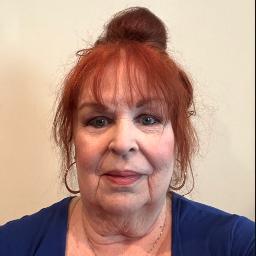
Lynn Snyder
Supportive LCSW with practical skills
- Credentials
- LCSW
- Experience
- 30 years
- Licensed in
- Florida
- Languages
- English
- Format
- Online sessions
About Lynn
Lynn Snyder is a licensed clinical social worker in Florida with three decades of professional experience. She focuses on common struggles such as stress, anxiety, addiction, trauma, low self-esteem, and depression. Lynn speaks plainly and respects that each person knows their own story.
She emphasizes strengths and practical next steps instead of jargon. Her approach centers on listening first and working together to set clear goals. Lynn uses methods that teach skills for managing thoughts, emotions, and behaviors so people can handle daily stress and mood shifts.
Background and approach
She also draws on therapies that pay attention to feelings in relationships and to what gives life meaning. In sessions she aims to create a steady, respectful space where clients can talk through hard things. She often teaches concrete tools from cognitive behavioral therapy to change unhelpful thinking.
Dialectical behavior therapy techniques are used when emotion regulation and distress tolerance are needed. Lynn also uses client-centered principles that put the person’s perspective first. That means she follows what matters to each client and adapts strategies to fit their life.
She blends approaches so work in therapy feels useful and relevant. She offers services in English and works with people across a wide range of concerns including medical and caregiving stress, grief, substance issues, anger, and life transitions. Her practice model is practical and collaborative, aimed at real changes people can notice between sessions.
How therapy approaches translate to online care
Client-Centered Therapy focuses on the person’s priorities and perspective. The therapist follows the client’s pace, reflects what matters, and helps people find their own solutions. This approach helps when someone needs space to be heard and to build confidence in choices.Cognitive Behavioral Therapy, or CBT, teaches clear skills to change unhelpful thoughts and behaviors. Exercises at home and simple practice between sessions are common, which often fits well with video or phone appointments. CBT is useful for anxiety, low mood, and stress management.
Dialectical Behavior Therapy, DBT, adds practical tools for regulating intense emotions and handling crisis moments. It provides step-by-step coping skills for distress and better emotional control, and can be shared and practiced through online formats.
Finding the right approach is part of the work. The therapist will collaborate with each person to decide which methods match their needs, goals, and preferences. That choice can shift over time as progress and challenges change.
Online therapy offers flexibility with video calls, phone sessions, live chat, and text messaging. These options help fit sessions into busy schedules and make it easier to keep continuity of care from different locations. Licensed professionals can use these formats to teach skills, review exercises, and check in between live conversations, making therapy more accessible for many people.
Client-Centered Therapy
The direction comes from you rather than from a set programme. The therapist offers a warm, non-judgemental space to think out loud and work at your own pace. Online, this rests on the relationship rather than on being in the same room.
Cognitive Behavioral Therapy (CBT)
CBT looks at the link between what you think, how you feel, and what you do. You work on noticing unhelpful patterns and practising steadier responses. It suits online sessions well, because much of the work happens between appointments and can be talked through from anywhere.
Dialectical Behavior Therapy (DBT)
Concrete skills for riding out strong emotion, tolerating distress, and handling relationships without things escalating. The skills are practised in daily life, so between-session support by message or phone fits naturally.
Frequently asked questions
What kinds of problems does Lynn address?
How would you describe her therapy style?
What is her professional background?
What are her credentials and where is she located?
In which languages are sessions offered?
What session formats are available?
How is cost handled for sessions?
How do I begin working with Lynn?
Specialties and expertise
Top specialties
Also works with
- Abandonment
- Aging and geriatric issues
- Anger management
- Antisocial personality
- Cancer
- Career difficulties
- Caregiver issues and stress
- Chronic pain, illness, and disability
- Codependency
- Communication problems
- Compassion fatigue
- Control issues
- Coping with life changes
- Coping with natural or human-caused disaster
- Dependent personality
- Depression
- Disruptive Mood Dysregulation Disorder (DMDD)
- Divorce and separation
- Domestic violence
- Drug and alcohol addiction
- Eating disorders
- Emptiness
- Family conflicts
- Family of origin issues
- First responder issues
- Forgiveness
- Guilt and shame
- Impulsivity
- Intimacy-related issues
- Isolation / loneliness
- LGBT
- Life purpose
- Midlife crisis
- Mood disorders
- Narcissism
- Obsessions, compulsions, and OCD
- Panic disorder and panic attacks
- Paranoia
- Personality disorders
- Phobias
- Post-traumatic stress
- Postpartum depression
- Prejudice and discrimination
- Process addiction (porn, exercise, gambling)
- Relationship issues
- Seasonal Affective Disorder (SAD)
- Self esteem
- Self-harm
- Self-love
- Sex addiction
- Sexual assault and abuse
- Social anxiety and phobia
- Veteran and Armed Forces Issues
- Women's issues
- Workplace issues
- Young adult issues
Therapeutic approaches
- Experience
- 30 years
- Licensed
- Florida
- Languages
- English
Next step
Talk to Lynn
- Takes a few minutes
- Nothing to set up just to look
- Stop at any point