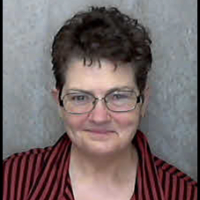
Julie Elliott
Seasoned clinician offering practical, steady support
- Credentials
- MD, LCSW-C, LCSW
- Experience
- 35 years
- Licensed in
- Texas, Connecticut, Maryland
- Languages
- English
- Format
- Online sessions
About Julie
Julie Elliott trained as a clinician and has practiced for decades. She holds an MD and is a Licensed Clinical Social Worker - Certified, license number 34119, and also holds a Licensed Clinical Social Worker credential in New Hampshire, number 5827. Julie works from Texas and brings 35 years of experience to her work.
Her style is straightforward and practical. She listens first, then helps people name the main problem.
Background and approach
Sessions focus on small, doable steps that make daily life easier. Julie uses clear tools rather than jargon and checks in about what is or isn’t helping. She has experience across many concerns, including stress, anxiety, depression, trauma and abuse, addictions, grief, and parenting.
Other areas she addresses include intimacy issues, sleeping and eating problems, self-esteem, and career stress. She also works with issues such as attachment, blended family matters, caregiver stress, and substance concerns. Clinically she draws on Attachment-Based Therapy, Client-Centered Therapy, Cognitive Behavioral Therapy or CBT, Dialectical Behavior Therapy or DBT, and Emotionally-Focused Therapy or EFT.
That range lets her tailor methods to each person’s situation and goals. Julie welcomes people who prefer practical, steady support. Her approach treats therapy as a collaborative process.
She aims to help clients build skills they can use between sessions and to make coping feel more achievable.
Therapeutic approaches and online care
Attachment-Based Therapy looks at how early bonds shape current relationships and emotional responses. In plain terms it helps people notice patterns in how they connect and then try different, safer ways of relating. Cognitive Behavioral Therapy or CBT is focused on changing unhelpful thoughts and behaviors. It uses practical exercises and experiments to reduce symptoms like anxiety or low mood.Choosing an approach is part of the work. The therapist will talk with each person about their needs, goals, and preferences, and then recommend one or two methods to try. That decision is made together and can change as progress is made.
Online therapy offers flexibility through video calls, phone sessions, live chat, or text-based messaging. These options make it easier to fit sessions into a busy life, to check in between meetings, and to keep continuity when schedules or locations change. Licensed professionals can use these formats to deliver the same therapeutic tools and homework that would be offered in person, while adapting methods to what works best for the client.
Attachment-Based Therapy
Looks at how early bonds shaped what you expect from closeness, and how that plays out now with a partner, a parent, or your own children.
Client-Centered Therapy
The direction comes from you rather than from a set programme. The therapist offers a warm, non-judgemental space to think out loud and work at your own pace. Online, this rests on the relationship rather than on being in the same room.
Cognitive Behavioral Therapy (CBT)
CBT looks at the link between what you think, how you feel, and what you do. You work on noticing unhelpful patterns and practising steadier responses. It suits online sessions well, because much of the work happens between appointments and can be talked through from anywhere.
Frequently asked questions
What kinds of concerns does Julie address?
How does she approach therapy sessions?
What is her clinical background?
Which credentials and location are listed for this therapist?
In what language can sessions be conducted?
What session formats are available?
How are fees handled?
How do I begin therapy with her?
Specialties and expertise
Top specialties
- Stress, Anxiety
- Relationship issues
- Family conflicts
Also works with
- Abandonment
- Addictions
- Adoption and foster care
- Aging and geriatric issues
- Anger management
- Attachment issues
- Bipolar disorder
- Blended family issues
- Body image
- Career difficulties
- Caregiver issues and stress
- Co-morbidity
- Codependency
- Commitment issues
- Communication problems
- Compassion fatigue
- Coping with life changes
- Dependent personality
- Depression
- Divorce and separation
- Domestic violence
- Drug and alcohol addiction
- Eating and food-related issues
- Eating disorders
- Emptiness
- Family of origin issues
- Family problems
- First responder issues
- Forgiveness
- Grief
- Guilt and shame
- Hospice and end-of-life counseling
- Impulsivity
- Infidelity
- Intimacy-related issues
- Isolation / loneliness
- LGBT
- Life purpose
- Midlife crisis
- Mood disorders
- Panic disorder and panic attacks
- Parenting issues
- Personality disorders
- Post-traumatic stress
- Self esteem
- Self-harm
- Self-love
- Sexual assault and abuse
- Sexuality
- Sleeping disorders
- Social anxiety and phobia
- Trauma and abuse
- Veteran and Armed Forces Issues
- Women's issues
- Workplace issues
- Young adult issues
Therapeutic approaches
- Attachment-Based Therapy
- Client-Centered Therapy
- Cognitive Behavioral Therapy (CBT)
- Dialectical Behavior Therapy (DBT)
- Emotionally-Focused Therapy (EFT)
- Existential Therapy
- Eye Movement Desensitization and Reprocessing (EMDR)
- Mindfulness Therapy
- Motivational Interviewing
- Narrative Therapy
- Solution-Focused Therapy
- Trauma-Focused Therapy
- Experience
- 35 years
- Licensed
- Texas, Connecticut, Maryland, New Hampshire
- Languages
- English
Next step
Talk to Julie
- Takes a few minutes
- Nothing to set up just to look
- Stop at any point