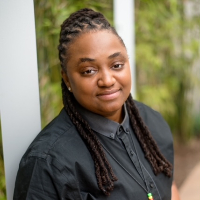
Dianna Roland-Sumlin
Empathetic, practical therapy for life changes
- Credentials
- LCSW
- Experience
- 14 years
- Licensed in
- Florida
- Languages
- English
- Format
- Online sessions
About Dianna
Dianna Roland-Sumlin is a licensed clinical social worker in Florida with 14 years of experience. She uses practical therapy methods to help people manage stress, anxiety, depression, relationship strain, and career or life transitions. Her work emphasizes clear goals and steps that clients can try between sessions.
She draws from Client-Centered Therapy to create a respectful, nonjudgmental space where people can talk through what matters most to them. Cognitive Behavioral Therapy is used to identify and change unhelpful thoughts and behaviors.
Background and approach
Dialectical Behavior Therapy and mindfulness practices offer tools for handling intense emotions and staying present. Dianna pays attention to patterns that can cause recurring problems, such as attachment issues, codependency, communication problems, and control struggles. She also addresses concerns like ADHD, gender dysphoria, grief, and compassion fatigue.
Her approach mixes practical skills with personal reflection so people leave with tangible next steps. Sessions may include short exercises, guided mindfulness, or strategies to manage mood and impulsivity. She incorporates motivational interviewing when people need help clarifying goals or finding motivation for change.
Dianna offers video, phone, live chat, and text-based messaging sessions. She works in English and practices as an LCSW licensed in Florida. Cost varies with location and uses a subscription that can be canceled at any time.
Therapeutic approaches and online options that fit your life
Dianna often uses Cognitive Behavioral Therapy to help people spot and change thoughts and behaviors that worsen stress or depression. CBT focuses on practical steps and simple experiments to test new ways of thinking and acting.She also uses Dialectical Behavior Therapy to teach skills for managing strong emotions and reducing impulsive reactions. DBT includes techniques for distress tolerance, emotion regulation, and improving relationships. Additionally, Client-Centered Therapy provides a supportive space where people can set the pace and focus of their work while feeling heard.
Finding the right approach is part of the process. She works together with each person to choose methods that match goals, preferences, and the issues at hand. That collaborative planning helps tailor sessions so they feel useful from the start.
Online therapy offers practical benefits for busy lives. Video sessions let people meet face to face from home, phone appointments remove travel time, and live chat or text-based messaging work well for short check-ins or when scheduling is tight. These options make it easier to keep therapy consistent while fitting it into everyday routines.
Client-Centered Therapy
The direction comes from you rather than from a set programme. The therapist offers a warm, non-judgemental space to think out loud and work at your own pace. Online, this rests on the relationship rather than on being in the same room.
Cognitive Behavioral Therapy (CBT)
CBT looks at the link between what you think, how you feel, and what you do. You work on noticing unhelpful patterns and practising steadier responses. It suits online sessions well, because much of the work happens between appointments and can be talked through from anywhere.
Dialectical Behavior Therapy (DBT)
Concrete skills for riding out strong emotion, tolerating distress, and handling relationships without things escalating. The skills are practised in daily life, so between-session support by message or phone fits naturally.
Frequently asked questions
What issues does she commonly address?
How would you describe her therapy style?
What kind of experience does she bring?
Where is she licensed and what are her credentials?
Which languages are supported for sessions?
Can people outside the country work with her?
What session formats are available?
How are costs and getting started handled?
Specialties and expertise
Top specialties
- Stress, Anxiety
- LGBT
- Anger management
Also works with
- Abandonment
- ADHD
- Attachment issues
- Career difficulties
- Codependency
- Commitment issues
- Communication problems
- Compassion fatigue
- Control issues
- Coping with life changes
- Depression
- Emptiness
- Family conflicts
- Family of origin issues
- Family problems
- Forgiveness
- Gender dysphoria
- Grief
- Guilt and shame
- Impulsivity
- Isolation / loneliness
- Life purpose
- Mood disorders
- Multicultural concerns
- Post-traumatic stress
- Prejudice and discrimination
- Relationship issues
- Seasonal Affective Disorder (SAD)
- Self esteem
- Self-love
- Sexuality
- Social anxiety and phobia
- Trauma and abuse
- Women's issues
- Workplace issues
- Young adult issues
Therapeutic approaches
- Experience
- 14 years
- Licensed
- Florida
- Languages
- English
Next step
Talk to Dianna
- Takes a few minutes
- Nothing to set up just to look
- Stop at any point